
 Español
 Pусский
 Français
 العربية

When I talk with contractors about a medium-size crawler excavator, I usually hear the same concerns: the machine needs enough digging power for daily work, it must stay stable on rough ground, fuel use should be reasonable, and maintenance cannot become a headache. A machine may look powerful on paper, but what really matters is how it performs after many hours on a real job site.
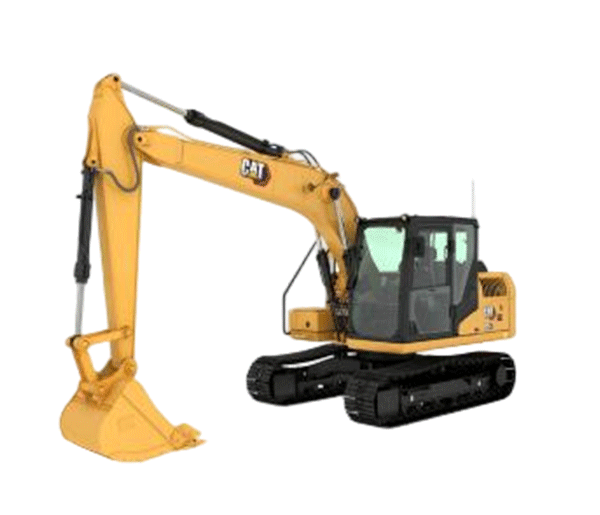
The 313 GC Hydraulic Excavator is a machine built around this practical idea. It is designed for excavation, trenching, loading, site preparation, material handling, road construction and other regular earthmoving work. The crawler undercarriage gives the Excavator a stable working base, while the hydraulic system transfers engine power into digging, lifting, swinging and travel movements.
At Ganglong Heavy Industry Technology (Hefei) Co., Ltd., we work with construction machinery buyers who need equipment for different working conditions and different markets. Founded in 2013, our group integrates equipment R&D, manufacturing, testing, customization and global sales. Together with Hefei Ganglong International Trade Co., Ltd., we serve customers in Asia, Africa, America and other international markets.
It is important to make one point clear before discussing the machine. The 313 GC is a Cat® excavator manufactured by Caterpillar. Ganglong is not the manufacturer of the Cat 313 GC. Our role can include equipment sales, international trade support, machine sourcing, configuration communication, inspection coordination, transportation and related services according to the actual transaction and market. This distinction matters when a buyer is checking specifications, warranty arrangements, documentation or after-sales support.
In this product guide, I will explain the 313 GC Hydraulic Excavator from a working user's point of view. I will cover its basic specifications, hydraulic system, operating characteristics, suitable applications, maintenance considerations, production and delivery process, and some questions buyers usually ask before placing an order.
1. What Is the 313 GC Hydraulic Excavator?
The 313 GC Hydraulic Excavator is a crawler excavator in the Cat product range. It uses a crawler-type undercarriage rather than wheels, which makes it suitable for construction sites where ground conditions are uneven, soft, muddy or rough. The machine is intended for practical earthmoving work rather than simply chasing maximum output figures.
According to Caterpillar's current product information, the 313 GC is equipped with a Cat C3.6 engine. The North American and European product page lists net power at 73 hp (54.3 kW), engine power under ISO 14396 at 74 hp (55.4 kW), and an operating weight of approximately 13,800 kg. The same source lists a maximum digging depth of 6,040 mm and a maximum reach at ground level of 8,660 mm for the specified configuration.
These figures give us a useful picture of where the machine fits. It is substantially larger than a Compact Excavator used for landscaping or small residential work, but it is not a large Mining Excavator. This middle ground is useful for contractors handling foundations, utility trenches, road projects, general earthmoving and site development.
| Item | 313 GC Specification |
|---|---|
| Engine | Cat C3.6 |
| Net Power - ISO 9249 | 73 hp / 54.3 kW |
| Engine Power - ISO 14396 | 74 hp / 55.4 kW |
| Operating Weight | Approx. 13,800 kg |
| Maximum Digging Depth | 6,040 mm |
| Maximum Reach at Ground Level | 8,660 mm |
| Maximum Cutting Height | 8,830 mm |
| Maximum Loading Height | 6,420 mm |
Source: Caterpillar official 313 GC Hydraulic Excavator product specifications. Specifications shown above refer to the listed Caterpillar configuration and can vary by market, attachment, undercarriage and other options.
When buying a crawler excavator, I recommend looking beyond operating weight and digging depth. A machine is a complete system. Engine output, hydraulic flow, track width, boom and stick combination, bucket selection, counterweight and attachment configuration all affect how the excavator behaves in actual work.
For example, a contractor working on deep drainage trenches may care more about digging depth and reach. A road contractor may pay more attention to travel performance, stability and grading control. A quarry or aggregate customer may need a different bucket and stronger attachment setup. That is why the same excavator can be configured differently for different jobs.
2. How the 313 GC Hydraulic Excavator Works
The basic working principle of a hydraulic excavator is easier to understand than it first appears. The engine provides mechanical power. The hydraulic system turns that power into controlled hydraulic pressure and flow. Hydraulic cylinders then move the boom, stick and bucket, while hydraulic motors control travel and upper-structure swing.
On the 313 GC, the Cat C3.6 diesel engine works together with the hydraulic system to provide the force needed for excavation and machine movement. Caterpillar lists a maximum main-system implement flow of 247 L/min and maximum normal equipment and travel pressure of 35,000 kPa in its technical specification for a specified configuration.
In simple terms, hydraulic flow is related to how much hydraulic oil can be moved through the system, while hydraulic pressure is related to the force that the system can develop. Both are important. High flow alone does not automatically make an excavator better, and pressure alone does not tell us how productive the whole machine will be.
The boom raises and lowers the front working equipment. The stick moves the bucket farther away from or closer to the machine. The bucket performs the actual digging, loading and material handling. The upper structure can rotate around the undercarriage, allowing the operator to dig in one position and load material into a truck without constantly repositioning the complete machine.
The crawler system performs another important job. Instead of relying on tires, the excavator spreads its weight over the tracks. This gives the machine good contact with the ground and helps it remain stable during excavation. Track shoe width can also influence ground pressure and working behavior. Caterpillar lists 500 mm, 600 mm and 700 mm track shoe options on its current 313 GC product page, depending on configuration.
For difficult ground, the operator still needs to use common sense. A crawler excavator should not be treated as if it can safely work on every slope or every type of soft ground. Ground bearing capacity, slope angle, moisture, machine position, bucket load and local site rules all matter.
Hydraulic System at a Glance
| Hydraulic Item | Published Specification |
|---|---|
| Main system maximum flow - implement | 247 L/min |
| Maximum equipment pressure | 35,000 kPa |
| Maximum travel pressure | 35,000 kPa |
| Maximum swing pressure | 25,900 kPa |
| Swing speed | 11.5 rpm |
| Maximum swing torque | 43 kN·m |
Source: Caterpillar 313 GC Hydraulic Excavator Technical Specification. The document identifies these figures for a particular market configuration, so buyers should confirm the final specification before ordering.
One feature I pay attention to is the relationship between the hydraulic system and operator control. Caterpillar lists an electric main control valve, boom and stick regeneration circuit, automatic hydraulic warm-up, automatic two-speed travel and boom-and-stick drift reduction on the current product page. These are not flashy features, but they matter during repeated daily operation because they influence how the machine responds to the operator.
3. Main Features I Would Look at Before Buying
Stable Crawler Platform
The crawler undercarriage is one of the main reasons buyers choose a crawler excavator. The tracks provide a broad contact area and help the machine stay stable while digging, swinging and traveling across rough ground.
For road construction, foundation work and utility projects, the excavator may spend the morning on compacted soil and the afternoon on less even ground. A stable platform gives the operator more confidence when positioning the machine and working with a loaded bucket.
Practical Engine Output
The Cat C3.6 engine used in the 313 GC provides the power required for regular excavation and material handling. Caterpillar's current U.S. product page lists 73 hp net power under ISO 9249 and a 3.6-liter displacement. It also lists biodiesel capability up to B20 for the relevant engine specification.
Engine power should not be viewed in isolation. In real operation, what matters is how the engine, hydraulic pump, control system and attachments work together. A well-matched system can make an excavator feel smooth and predictable instead of simply powerful.
Useful Working Range
The published maximum digging depth of 6,040 mm and ground-level reach of 8,660 mm give the 313 GC a working range suitable for many trenching, foundation and earthmoving tasks.
When choosing a bucket or stick, however, I would always check the actual working requirement rather than selecting equipment based on maximum numbers. Maximum reach can be useful for a particular job, but the machine may work more efficiently with a configuration that matches the normal digging depth and material type.
Operator-Oriented Equipment
The current Caterpillar product page lists a comfort cab with an air suspension seat and an 8-inch touch-screen monitor. It also lists rear and right-side-view cameras, LED lighting and several service-related features.
These details matter because an excavator operator can spend most of a working day inside the cab. Good visibility, clear machine information and practical controls can make repetitive work easier. They also help the operator notice machine conditions earlier instead of waiting for a serious problem.
Maintenance Access
construction equipment does not make money when it is sitting in the yard waiting for service. For this reason, I always suggest checking maintenance access before buying a machine.
Caterpillar lists grouped engine oil and fuel filters, a ground-level engine oil dipstick, sampling ports for scheduled oil sampling, a lockable disconnect switch and integrated vehicle health management among the 313 GC's service and maintenance features.
These features do not eliminate maintenance. They simply make regular inspection and service more organized. Operators should still follow the manufacturer's maintenance schedule and use the correct fluids, filters and replacement parts.
4. 313 GC Compared with Similar Cat Excavators
Customers often ask me whether they should choose the 313 GC or move to another excavator in the same general class. There is no universal answer. The right model depends on digging requirements, production targets, fuel budget, attachments, transport conditions and local service arrangements.
A useful starting point is the published Caterpillar comparison between the 313, 313 GC and 315 GC. The figures below show how Caterpillar positions these machines in its product range.
| Model | Net Power | Operating Weight | Maximum Digging Depth |
|---|---|---|---|
| Cat 313 | 108 hp / 81 kW | 13,800 kg | 5,840 mm |
| Cat 313 GC | 73 hp / 54.3 kW | 13,800 kg | 6,040 mm |
| Cat 315 GC | 98 hp / 73.3 kW | 15,400 kg | 5,990 mm |
Source: Caterpillar official product comparison page. Values can vary by region and configuration.
This comparison shows something important: choosing an excavator is not simply a matter of choosing the machine with the biggest engine. The 313 GC and 313 listed in the comparison have the same published operating weight, while their power and digging specifications differ. The 315 GC moves into a higher operating-weight category.
For customers who mainly need dependable excavation and general construction work, a GC model may be considered as part of a practical equipment strategy. Caterpillar has described its GC product lines as supporting lighter-duty applications and less extreme working conditions compared with some higher-specification models.
At Ganglong, we do not tell every customer to buy the same machine. We first look at the job. If the excavator will work mainly on utility trenches, general site preparation, road projects or regular construction, the 313 GC may be worth considering. If the machine will face continuous heavy production work, large attachments or demanding material conditions, another configuration may be more appropriate.
5. Where Can the 313 GC Hydraulic Excavator Be Used?
The 313 GC Hydraulic Excavator is suited to a wide range of construction and earthmoving applications. Its size gives it enough reach and digging capability for medium-scale work while keeping it more manageable than much larger excavators.
Foundation and Building Construction
Foundation excavation is a common use. The machine can excavate soil, prepare working areas and load removed material into trucks. With the correct bucket, it can also handle different soil conditions within the machine's rated operating limits.
Road Construction
Road projects often involve several different jobs rather than one repeated task. Excavators may be used for drainage channels, roadside excavation, material loading, slope preparation and utility work. The 313 GC's crawler platform is useful when the site is not perfectly flat.
Utility and Pipeline Work
Water, drainage, electrical and other utility projects require controlled trench excavation. In these jobs, reach and digging depth are important, but so is the operator's ability to control the bucket. A suitable narrow bucket can be selected when the project requires a more focused trench profile.
Land Development
Before a new building, industrial facility or road can be constructed, the land often needs to be cleared, shaped and prepared. The excavator can help with earthmoving, removal of unsuitable material, drainage preparation and general site work.
Mining and Quarry Support
The 313 GC can be considered for selected support work around mines and aggregate sites, particularly where the required production level does not call for a much larger mining excavator. Attachment and bucket selection should be based on the material being handled.
Agricultural and Municipal Projects
Farm drainage, pond preparation, irrigation work, municipal trenching and other infrastructure tasks can also make use of crawler excavators. In these applications, the machine's ability to move across uneven ground can be particularly useful.
| Application | Typical Excavator Task | Key Selection Point |
|---|---|---|
| Building construction | Foundation excavation and loading | Digging depth and bucket selection |
| Road projects | Drainage, excavation and site preparation | Stability and mobility |
| Utility construction | Trenching and pipe preparation | Reach and working control |
| Land development | Earthmoving and grading preparation | Versatility |
| Municipal engineering | Drainage and infrastructure work | Attachment compatibility |
| Agriculture | Ditch, pond and land preparation | Ground conditions |
Source: Application descriptions are based on the normal operating uses of crawler excavators; actual application suitability depends on the machine configuration, attachment, material, site conditions and local safety requirements.
6. Manufacturing, Inspection and Delivery: How We Handle an Order
Buying an excavator is different from buying a small spare part. The machine is large, expensive to transport and often configured for a specific job. That is why I believe the process before shipment is just as important as the machine itself.
At Ganglong Heavy Industry Technology, our group combines equipment-related business activities with international trade support. Our subsidiary, Hefei Ganglong International Trade Co., Ltd., focuses on overseas customers and has experience serving construction machinery, mining machinery and agricultural machinery markets in Asia, Africa, America and other regions.
When a customer asks about a 313 GC Hydraulic Excavator, I recommend confirming several points before finalizing the order:
Target working application and material type
Required bucket capacity and bucket type
Stick and boom configuration
Track shoe width
Optional hydraulic lines and attachment requirements
Local emission and import requirements
Destination port and transportation method
Required inspection documents
Spare parts and service requirements
Payment and delivery terms
The production and preparation cycle for standard crawler excavators is commonly around 30 to 60 days, depending on the specific model, configuration, order quantity and customization requirements. For a machine that is already available, the timeline can be different. We therefore confirm the actual machine status and delivery schedule rather than giving every customer the same lead time.
Before delivery, the machine should be checked for key operating conditions. This includes hydraulic performance, engine operation, travel and swing functions, structural condition, controls, safety equipment and general working reliability.
For an export order, documentation is also important. Depending on the transaction and destination, the delivery package can include factory inspection records, operating manuals, spare parts information and applicable certificates or documents.
Payment
International construction machinery transactions commonly use T/T payment. A typical arrangement may involve a deposit after order confirmation, followed by payment of the balance before shipment. The exact terms depend on the machine, order value, customer requirements and agreed contract.
I always recommend putting the final machine configuration, price, payment schedule, delivery terms, inspection requirements and included accessories into the commercial documents. Clear paperwork prevents small misunderstandings from becoming expensive problems later.
Transportation
A crawler excavator can be transported by bulk vessel, Ro-Ro vessel or container depending on machine dimensions, destination and shipping conditions. The most suitable method is not always the cheapest-looking method because port handling, dismantling, loading and inland transportation can affect the total landed cost.
Before shipment, machines are normally cleaned and prepared for long-distance transportation. Exposed areas can be protected against rust and moisture, and the machine is securely fixed according to the selected shipping method. Detachable components may be packed separately when this helps reduce transport space or protect the parts.
7. Why Work with Ganglong?
When customers purchase construction machinery internationally, they are not only buying iron. They are also buying a supply process. If communication is slow, specifications are unclear or shipping arrangements are poorly handled, even a good machine can become a difficult project.
Ganglong Heavy Industry Technology (Hefei) Co., Ltd. was established in 2013. Together with Hefei Ganglong International Trade Co., Ltd., the group is affiliated with China Construction Machinery (Group) Co., Ltd. Our business covers equipment R&D, manufacturing, testing, customization and global sales.
Our own HKLOONG product range includes excavators, loaders, Backhoe loaders and swamp excavators. At the same time, our business includes complete machine sales and leasing services for domestic and international brands such as Hitachi, SANY, Lonking, Hyundai, XCMG, SHANMON and LOVOL, subject to actual availability and transaction conditions.
This broader product background is useful when a customer is not completely sure which machine should be used. We can discuss the working condition first and then look at suitable equipment rather than starting with a model number alone.
For international customers, Hefei Ganglong International Trade provides a dedicated communication channel for machinery export business. Our team has worked with customers across Asia, Africa, America and other markets. We understand that buyers may need support with machine configuration, documentation, shipping, port arrangements and spare parts planning.
We also understand that every market has its own requirements. A machine used in a tropical construction project may face different conditions from one working in a cold region. Import regulations, emissions standards, road transport limits and local service resources can also differ. These details should be confirmed before shipment.
Our approach is simple: first understand what the machine needs to do, then confirm the configuration, then check the machine and documentation, and finally arrange delivery. It sounds basic, but this process helps reduce avoidable problems.
8. 313 GC Hydraulic Excavator FAQ
Q1: Is the 313 GC Hydraulic Excavator manufactured by Ganglong?
No. The 313 GC is a Caterpillar Cat® product. Ganglong Heavy Industry Technology and Hefei Ganglong International Trade can provide sales and international trade services for construction machinery according to the actual transaction and availability. We do not represent ourselves as the manufacturer of Caterpillar equipment.
Q2: What is the operating weight of the 313 GC?
Caterpillar's current product page lists an operating weight of approximately 13,800 kg for the specified 313 GC configuration. Another Caterpillar technical specification document lists 12,400 kg for a different configuration, showing why buyers should confirm the exact market version, undercarriage, counterweight, bucket and attachment before making a final decision.
Q3: What engine does the 313 GC use?
The current Caterpillar product information lists the Cat C3.6 engine. The U.S. product page gives 73 hp (54.3 kW) net power under ISO 9249, while Caterpillar's technical documentation for another market configuration provides different power and emission details. The exact engine specification should therefore be confirmed according to the destination market.
Q4: How deep can the 313 GC excavate?
The Caterpillar U.S. product page lists a maximum digging depth of 6,040 mm for the specified configuration. Working depth can change with the boom, stick, bucket and machine configuration, so the maximum published figure should not be treated as the working depth for every attachment setup.
Q5: Is the 313 GC suitable for road and utility construction?
Yes, it can be suitable for applications such as trenching, drainage, site preparation, foundation excavation and general earthmoving. The correct bucket, stick and undercarriage configuration should be selected according to the actual job. Ground conditions and local safety requirements should also be considered before operation.
Q6: Can the 313 GC use different track shoe widths?
Caterpillar lists several track shoe options for the 313 GC, including 500 mm, 600 mm and 700 mm options on its current product page. The final selection depends on the machine configuration and application. Wider shoes may influence ground contact and transport dimensions, so they should be selected together with the intended working conditions.
Q7: What attachments can be used with the excavator?
The attachment depends on the hydraulic configuration and the actual application. Common excavator tools can include different buckets and other work tools for digging, material handling or site preparation. When a customer requires a specific attachment, we recommend confirming hydraulic flow, pressure, coupler requirements, weight and compatibility before shipment.
Q8: How long does delivery take?
For standard crawler excavator orders, a typical production or preparation period can be around 30–60 days, depending on model, configuration, quantity and customization. Shipping time is additional and depends on the destination, vessel schedule, port handling and transportation method. We confirm the actual schedule for each order instead of using one fixed delivery promise.
Q9: How is the machine shipped internationally?
Depending on machine dimensions and destination, crawler excavators may be transported by bulk vessel, Ro-Ro vessel or container. The machine is normally cleaned, protected against moisture and rust, secured for transportation and prepared according to the selected shipping method. Detachable parts may be packed separately when required.
Q10: What should I confirm before ordering a 313 GC Hydraulic Excavator?
I recommend confirming the machine year and condition, exact market configuration, operating weight, engine specification, boom and stick, bucket, track shoes, hydraulic lines, attachment requirements, inspection documents, payment terms, delivery schedule and shipping method. For export orders, import regulations and local emissions requirements should also be checked before the contract is finalized.
Final Thoughts on the 313 GC Hydraulic Excavator
The 313 GC Hydraulic Excavator is the kind of machine that makes sense when a contractor needs more than a compact excavator but does not necessarily need a much larger production machine. Its crawler platform, Cat C3.6 engine, hydraulic working system and practical operating range make it suitable for many construction and earthmoving applications.
What I like about evaluating an excavator this way is that the machine can be judged by the work it actually needs to perform. Digging depth matters, but so do stability, hydraulic response, attachment compatibility, transport, maintenance and local service conditions.
Caterpillar's published information shows that the 313 GC can be configured with different sticks, track shoes, hydraulic lines, blades and other options. That flexibility is useful because a machine working on a road project does not necessarily need the same setup as one working on a utility project or land-development site.
For buyers looking for a 313 GC Hydraulic Excavator, Cat 313 GC Excavator, 313 GC Crawler Excavator or a medium Crawler Excavator for Construction, the most important step is to match the machine with the real job. Once the application, configuration and destination are clear, the purchasing process becomes much easier to manage.
At Ganglong, our job is to help make that process practical. From machine sourcing and configuration communication to inspection, documentation and international transportation, we focus on the details that matter when construction equipment crosses borders. If you are planning to purchase a 313 GC Hydraulic Excavator, we can discuss your working conditions, required configuration, destination and delivery needs before preparing a suitable quotation.
Note: Caterpillar specifications can vary by country, model year, machine configuration and optional equipment. The figures in this article are provided for product reference and SEO information. Final specifications, availability, warranty arrangements, attachments, price and delivery terms should be confirmed in the formal quotation and technical documentation for the actual machine.



 WhatsApp
 Phone
Phone E-mail
 Message