
 Español
 Pусский
 Français
 العربية

When I look at a bus, I do not see it as just a large vehicle with many seats. I see a complete transport solution that has to move people safely, comfortably, and efficiently every day. A good Bus needs to handle repeated starts and stops, different road conditions, changing passenger loads, long operating hours, and the practical needs of drivers and fleet managers.
At HKLOONG, I take a practical approach to commercial vehicles. My focus is not simply on making a bus look modern. I look at the complete vehicle, including the powertrain, chassis, body structure, passenger space, braking system, suspension, steering, electrical equipment, climate control, and operator environment.
Depending on the application, a passenger bus can serve urban routes, intercity transportation, schools, tourism, employee commuting, airports, campuses, industrial parks, hotels, and private fleet operations. Different jobs require different vehicle layouts, so I always start by understanding where and how the bus will be used.
HKLOONG Heavy Industry Technology (Hefei) Co., Ltd. is headquartered in Hefei, China. We specialize in equipment R&D, precision manufacturing, quality testing, customized modification, and global distribution. Our wider product portfolio includes construction machinery and commercial vehicles, giving me a practical engineering perspective when developing equipment for demanding working environments.
For me, the right passenger bus is not necessarily the biggest or most complicated one. It is the one that fits the route, passenger demand, road conditions, operating schedule, maintenance plan, and local requirements.
1. What Is a Bus and How Do I Define the Right Configuration?
A bus is a road vehicle designed to transport multiple passengers. That sounds simple, but the actual design can be very different depending on the job.
A city bus normally focuses on frequent stops, easy passenger boarding, standing capacity, accessibility, and operation in busy urban areas. An intercity bus may place more emphasis on seating, luggage space, ride comfort, and longer travel distances. A coach designed for tourism can place even more attention on passenger comfort, storage, climate control, and interior features.
I therefore avoid treating “bus” as one single machine category. I first divide the application into several questions.
How many passengers need to be transported?
Will the vehicle operate mainly inside a city or between cities?
How frequently will passengers get on and off?
What road conditions will the vehicle face?
Is luggage space important?
Does the fleet require diesel, hybrid, electric, or another powertrain?
What local safety and emissions regulations apply?
How many operating hours will the vehicle accumulate each day?
These questions help me determine the basic architecture of the vehicle.
For example, Volvo's current 7900 Electric is available in 12.0 m, 17.8 m, and 18.5 m configurations, with passenger capacity listed at 95, 150, and 145 respectively. The published data also shows different battery configurations and charging options. :contentReference[oaicite:0]{index=0}
This is a good example of why I consider route requirements first. A 12-meter bus and an articulated bus may both be called city buses, but their operating roles and capacity are clearly different.
Bus Types I Commonly Consider
City Bus: I use this category for frequent urban passenger transport where quick boarding, maneuverability, and standing capacity can matter.
Intercity Bus: This type is intended for longer routes connecting towns or cities, where seating comfort and luggage capacity can become more important.
Tour Bus: I focus more on passenger comfort, storage, climate control, interior layout, and long-distance driving.
School Bus: This category is designed around school transportation requirements, with safety, controlled passenger movement, visibility, and local regulations being key considerations.
Commercial Shuttle Bus: I would use this type for employee transportation, hotels, airports, campuses, factories, industrial parks, and other private shuttle operations.
2. How I Understand Bus Construction and Operation
A modern bus is a combination of mechanical, electrical, structural, and passenger systems. I normally break the vehicle into several major areas so that each part can be evaluated clearly.
Powertrain
The powertrain provides the energy needed to move the vehicle. Depending on the bus, this may include a diesel engine, hybrid system, battery-electric motor, transmission, cooling system, and supporting components.
Traditional diesel buses remain important in many markets, while electric buses are becoming more common in urban transport. Volvo's current 7900 Electric, for example, lists a maximum motor output of 200 kW for its 12-meter configuration and up to 500 kWh battery capacity depending on the battery arrangement. :contentReference[oaicite:1]{index=1}
I do not treat electric or diesel as a universal answer. I look at route length, charging infrastructure, fuel availability, climate, passenger load, operating schedule, local regulations, and total operating requirements.
Chassis and Frame
The chassis carries the major loads of the vehicle. It supports the body, powertrain, passengers, axles, suspension, and other systems.
For a commercial bus, structural strength matters because the vehicle may complete thousands of operating cycles over its service life. The frame must also work with the body structure without creating unnecessary weight.
Suspension
Suspension affects ride comfort, stability, tire contact, and vehicle handling. For passenger transport, I pay special attention to how the suspension behaves under different passenger loads.
Volvo's B8R Low Entry platform, for example, uses electronically controlled air suspension with an optional kneeling function on published configurations. :contentReference[oaicite:2]{index=2}
Braking System
Braking is one of the systems I take most seriously. A passenger vehicle carries many people, so the braking system needs to be matched to the vehicle's weight, speed, road conditions, and regulatory requirements.
Modern buses may use electronic braking systems, anti-lock braking systems, traction control, brake assist, retarders, and other supporting technologies. Volvo's published 7900 Electric specifications, for example, list EBS, ABS, and acceleration slip regulation. :contentReference[oaicite:3]{index=3}
Passenger Compartment
The passenger area is where the vehicle's design becomes very visible to the user. I look at seat arrangement, aisle width, entry steps, handrails, lighting, ventilation, climate control, luggage space, emergency exits, and accessibility.
A bus that performs well mechanically but is difficult for passengers to enter or uncomfortable during long journeys is not a complete solution.
3. Main Features I Look For in a Passenger Bus
When I evaluate a commercial bus, I do not rely on one specification. I look at how the main systems work together.
Passenger Capacity
Passenger capacity should match the route. A high-capacity urban bus may need space for standing passengers, while an intercity coach may prioritize seated passengers and luggage.
For reference, Volvo's 7900 Electric publishes capacity of up to 95 passengers in its 12-meter configuration and up to 150 in its 18-meter articulated configuration. :contentReference[oaicite:4]{index=4}
Practical Entry and Exit
For urban routes, passengers may board and leave the bus dozens or even hundreds of times during a working day. I therefore consider door position, step height, aisle layout, and boarding speed important design points.
For some low-floor configurations, accessibility can be improved further with kneeling functions and wheelchair access systems.
Driver Visibility
The driver needs a clear view of the road, mirrors, doors, passengers, and surrounding traffic. I also consider instrument layout because important information should be easy to understand without distracting the driver.
Modern buses may include digital displays, rear cameras, parking sensors, driver assistance systems, and other electronic features. Volvo's BZL electric double-decker specification, for example, lists a 12.3-inch display, rear-view camera with a 7-inch monitor, and eight parking sensors. :contentReference[oaicite:5]{index=5}
Climate Control
Heating and cooling are not minor details. A bus can carry dozens of people inside a relatively enclosed space, so temperature control has a direct effect on passenger comfort.
I consider the climate system together with passenger capacity, outside temperature, insulation, door opening frequency, and powertrain type.
Service Access
A commercial bus spends money even when it is parked. Maintenance downtime therefore matters to fleet operators.
I prefer designs that allow technicians to reach common service points without unnecessary disassembly. Access to filters, fluids, electrical components, brake systems, cooling components, and other inspection points should be considered during design.
4. Bus Specification Comparison: How I Read the Numbers
When I compare different buses, I prefer to use published specifications from established manufacturers as a reference rather than comparing marketing claims.
The following table uses official Volvo data for two current electric bus configurations. These figures are industry reference data only and are not HKLOONG specifications.
| Reference Model | Length | Permitted GVW | Passenger Capacity | Max Motor Output | Source |
|---|---|---|---|---|---|
| Volvo 7900 Electric 12 m | 12.0 m | 19,500 kg | 95 | 200 kW | Volvo Buses official specifications |
| Volvo 7900 Electric 18 m | 17.8 m | 30,000 kg | 150 | 2 × 200 kW | Volvo Buses official specifications |
| Volvo 7900 Electric 18.7 m | 18.5 m | 30,000 kg | 145 | 2 × 200 kW | Volvo Buses official specifications |
These figures help me understand the effect of vehicle length and articulation on passenger capacity, weight, and power requirements. Volvo's published data also lists different battery capacities, charging methods, and axle arrangements for these configurations. :contentReference[oaicite:6]{index=6}
I also compare conventional and electric bus architectures because the powertrain changes many other parts of the vehicle.
| Item | Conventional Diesel Bus | Battery Electric Bus | What I Check |
|---|---|---|---|
| Energy source | Diesel fuel | Battery electricity | Local infrastructure and route requirements |
| Power unit | Internal combustion engine | Electric motor | Power and torque requirements |
| Energy storage | Fuel tank | Battery packs | Operating range and refueling/charging time |
| Transmission | Automatic or automated transmission depending on model | Electric drive system; configuration varies | Route profile and drive behavior |
| Thermal management | Engine and cooling system | Battery, motor, inverter and cabin thermal systems | Climate and operating environment |
This is a functional comparison rather than a claim that one powertrain is suitable for every fleet. For example, Daimler Buses currently offers both conventional and electric buses across its product portfolio, including Mercedes-Benz city buses, intercity buses, coaches, and chassis. :contentReference[oaicite:7]{index=7}
For electric buses, I would pay particular attention to battery capacity, charging power, daily route distance, passenger load, climate control demand, temperature, and depot infrastructure. Volvo's published 7900 Electric specifications, for example, list battery capacities from 280 kWh to 500 kWh depending on configuration and charging power from 250 kW to 450 kW depending on the model and charging method. :contentReference[oaicite:8]{index=8}
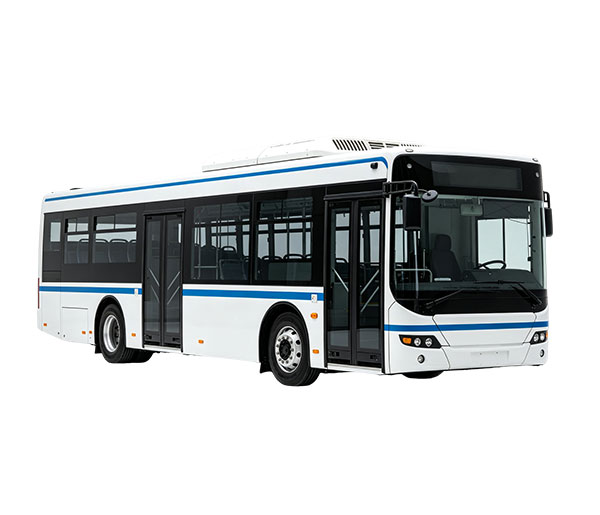
5. Where I Would Use a Bus
A bus can serve many different transport tasks. The important thing is matching the vehicle configuration with the route.
Urban Public Transportation
For city routes, I focus on frequent stops, passenger turnover, maneuverability, accessibility, and climate control. A city bus may need wide doors, low-floor access, standing space, and systems that support repeated operation throughout the day.
Electric buses are also increasingly used in urban transport. Volvo describes its 7900 Electric as a city bus available in solo and articulated configurations, while its BZL Electric platform is also designed for urban public transport. :contentReference[oaicite:9]{index=9}
Intercity Transportation
For longer routes between cities, I place more emphasis on seated passenger comfort, luggage capacity, cruising performance, climate control, and driver ergonomics.
The vehicle may spend much more time at higher road speeds, so suspension, braking, steering, tire selection, and powertrain efficiency become especially important.
Tourism and Coach Services
A tour bus needs to keep passengers comfortable for extended periods. I look at seats, legroom, air conditioning, luggage compartments, lighting, entertainment systems, charging ports, and ride quality.
Passenger expectations are different when someone is spending several hours inside the vehicle rather than taking a 20-minute city trip.
School Transportation
School transportation requires careful attention to passenger safety, seating layout, visibility, emergency systems, entry and exit procedures, and local regulations.
I would always configure a school bus according to the requirements of the target country or region rather than assuming one design works everywhere.
Employee and Industrial Shuttle Services
Factories, industrial parks, airports, hotels, universities, and large campuses often need regular employee or passenger shuttle services. In these applications, reliability, seating capacity, operating cost, route length, and maintenance support become key concerns.
A commercial passenger bus can be especially useful when a private organization needs to control its own transportation schedule rather than depend entirely on public routes.
6. How I Approach Bus Manufacturing and Quality Control
When I think about bus manufacturing, I start with the fact that the vehicle has to work as one complete system. A strong body is not enough. A good engine is not enough. A modern dashboard is not enough.
The frame, body, powertrain, suspension, braking system, steering, electrical architecture, passenger compartment, doors, HVAC, and safety systems all need to work together.
Body and Structural Work
The body structure must balance strength, weight, passenger capacity, and long-term durability. I pay attention to material selection, welding, structural joints, corrosion protection, and alignment.
Weight is particularly important because every additional kilogram affects the overall vehicle. However, reducing weight cannot simply mean removing material. The structure still needs to handle repeated road loads and passenger use.
Powertrain Installation
For diesel buses, the engine, transmission, cooling system, fuel system, exhaust system, and related components need to be properly integrated.
For electric buses, the engineering picture changes. Battery packs, electric motors, inverters, high-voltage wiring, thermal management, charging equipment, and electronic controls become major parts of the vehicle architecture.
Daimler's current eCitaro technical information, for example, shows how modern electric city buses can use multiple battery packs, electric motors, electronic assistance systems, and high-voltage energy storage as part of one integrated vehicle system. :contentReference[oaicite:10]{index=10}
Interior Assembly
The passenger compartment needs careful attention because this is where people interact directly with the vehicle. I look at seat installation, handrails, floor materials, lighting, ventilation, door mechanisms, emergency exits, driver controls, and accessibility features.
Testing Before Delivery
I believe testing should cover the systems that matter during actual operation. Depending on the vehicle and target market, that can include braking, steering, suspension, electrical functions, doors, HVAC, lighting, driver displays, powertrain behavior, and road testing.
For export vehicles, I also pay attention to local specifications and regulatory requirements. A bus designed for one market should not automatically be assumed to meet another market's requirements.
At HKLOONG, our engineering approach covers R&D, precision manufacturing, quality testing, customized modification, and global distribution. I use these capabilities as the foundation for developing practical vehicle solutions rather than treating the bus as a simple finished commodity.
7. Why I Choose HKLOONG for Bus and Commercial Vehicle Solutions
When I choose a bus for a fleet, I want to understand the entire operating picture. I need to know the route, passenger demand, road conditions, daily mileage, climate, service resources, and local requirements before deciding on the vehicle configuration.
That is the approach I bring to HKLOONG.
HKLOONG Heavy Industry Technology (Hefei) Co., Ltd. is headquartered in Hefei, China. We specialize in equipment R&D, precision manufacturing, quality testing, customized modification, and global distribution under the HKLOONG brand.
Our experience across heavy machinery and commercial equipment gives me a practical understanding of how equipment needs to perform outside the factory. I know that a fleet manager does not only care about the purchase price. They also care about maintenance, operating time, spare parts, driver experience, fuel or energy consumption, downtime, and long-term usability.
For this reason, I look at a bus as part of a fleet rather than as an isolated vehicle.
If I am working with a dealer, I also consider the local market. Different regions may have different road widths, passenger expectations, emission standards, electrical standards, climate conditions, and service capabilities.
That is where customization can become useful. Depending on the vehicle platform and project requirements, I can evaluate seating layouts, body configurations, powertrain requirements, passenger capacity, interior functions, attachments or equipment, and other application-specific details.
I also believe technical communication should be clear. A buyer should be able to understand what the vehicle can do, what it cannot do, what maintenance it needs, and what conditions it is designed for.
My objective is not to make every bus the same. My objective is to help match the right vehicle configuration with the actual transport task.
8. Bus FAQ
What is a bus?
A bus is a road vehicle designed to transport multiple passengers. Depending on the design, it can be used for city transportation, intercity travel, tourism, school transportation, employee shuttles, airport services, and private fleet operations.
What is the difference between a city bus and an intercity bus?
A city bus is normally designed for frequent stops, quick passenger boarding, accessibility, and urban traffic. An intercity bus usually places greater emphasis on seated passenger comfort, luggage capacity, cruising performance, and longer travel distances.
What is the difference between a bus and a coach?
The terms can overlap, but I generally use “bus” as the broader category. A coach usually refers to a vehicle designed for longer-distance passenger travel, with more emphasis on seating comfort, luggage storage, and highway operation.
Are electric buses suitable for daily commercial operation?
Electric buses can be suitable for many commercial routes, particularly when charging infrastructure and daily route requirements are well matched to the vehicle. I would evaluate battery capacity, route distance, charging time, passenger load, climate control demand, weather, and depot infrastructure before selecting an electric bus.
How many passengers can a bus carry?
Passenger capacity varies widely according to vehicle length, floor layout, seat arrangement, standing space, and local regulations. As an industry reference, Volvo lists up to 95 passengers for its 12-meter 7900 Electric and up to 150 for its 18-meter articulated configuration. :contentReference[oaicite:11]{index=11}
What engine does a diesel bus use?
Diesel bus engines vary by manufacturer and vehicle class. For example, Daimler's current Mercedes-Benz Conecto information lists the 7.7-liter OM 936 diesel engine at 220 kW for its solo bus configuration, while the articulated Conecto G uses a 10.7-liter OM 470 engine rated at 265 kW. :contentReference[oaicite:12]{index=12}
What should I check before buying a bus?
I recommend checking passenger capacity, overall dimensions, gross vehicle weight, engine or motor output, transmission, axle configuration, suspension, braking system, fuel or battery capacity, charging requirements if electric, climate control, accessibility, luggage space, service access, local regulations, spare-parts support, and expected operating conditions.
Can HKLOONG provide customized bus solutions?
Customization depends on the specific vehicle platform and project requirements. I can evaluate passenger capacity, route conditions, powertrain requirements, interior layout, operating environment, and market-specific requirements before determining which configurations are technically suitable.
Who can use a commercial bus?
Commercial buses can serve public transport operators, private fleet owners, schools, hotels, factories, airports, universities, tourism companies, industrial parks, municipal organizations, transportation companies, and other businesses that need regular passenger transportation.
Final Thoughts
A Bus is a working vehicle first and a passenger space second. I need it to move people reliably, but I also need to consider operating cost, maintenance, driver experience, passenger comfort, road conditions, and fleet requirements.
For urban transportation, I may focus on passenger flow, accessibility, frequent stops, and maneuverability. For intercity travel, I may put more attention on seating, luggage, ride comfort, and highway performance. For electric fleets, I also need to consider battery capacity and charging infrastructure.
At HKLOONG, I approach commercial vehicle development with the same practical mindset that we apply across our wider equipment portfolio: understand the working condition, build the right configuration, test the important systems, and make the final product useful in the field.
If I were selecting a passenger bus today, I would not begin with a brand name or a single horsepower figure. I would begin with the route, passenger numbers, daily mileage, road conditions, power source, local regulations, and maintenance resources. Once those points are clear, choosing the right commercial bus becomes a much more straightforward engineering decision.



 WhatsApp
 Phone
Phone E-mail
 Message