
 Español
 Pусский
 Français
 العربية

When I work with equipment buyers at HKLOONG Heavy Industry Technology (Hefei) Co., Ltd., I often hear the same practical question: what can we use when there is no reliable power source on site? This is where a Portable Generator becomes useful. Instead of depending completely on a fixed electrical connection, I can use a portable generator to provide temporary power for tools, lighting, pumps, small machines and other electrical equipment.
At HKLOONG, our main business covers crawler excavators, Wheel loaders, Backhoe loaders and amphibious wetland Excavators. We also provide smaller equipment designed for jobs where space is limited and mobility matters. A portable generator fits naturally into this product direction because it is compact, flexible and useful across many different working environments.
I see portable generators being used on construction sites, farms, workshops, outdoor events, maintenance projects, emergency work areas and remote locations. The exact generator configuration depends on the electrical load, required running time, fuel type, voltage, frequency and working environment. Rather than choosing a generator only by its advertised maximum output, I recommend looking at what the generator will actually power during normal operation.
In this product page, I will explain how I approach portable generator selection, how a generator produces electricity, which features matter during daily use, where portable generators can be used and what information I recommend preparing before requesting a quotation.
1. What Is a Portable Generator?
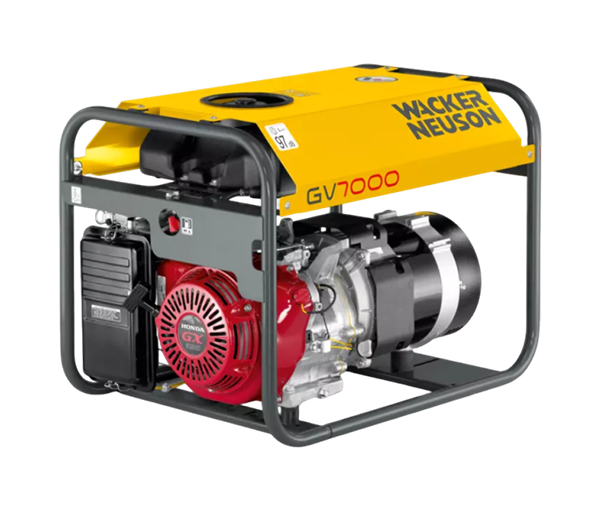
A portable generator is a mobile power-generation unit designed to provide electricity when grid power is unavailable, unreliable or inconvenient. A typical unit combines an engine, alternator, fuel system, control system and protective frame or enclosure into one package.
The basic idea is quite simple. The engine uses fuel to create mechanical rotation. That rotation drives an alternator, which converts mechanical energy into electrical energy. The electrical output can then be connected to suitable tools, lighting equipment, pumps or other loads.
For me, the biggest value of a Portable Power Generator is flexibility. A fixed generator may be installed in one place and connected to a building or facility. A portable generator can be transported to another work area when the project changes.
For example, a construction contractor may need electricity at a site where the permanent power connection has not yet been completed. A farm may need temporary power in an area far from the main building. A maintenance crew may need electricity beside a road or pipeline. In these situations, portable power can make the work much easier.
However, “portable” does not necessarily mean lightweight. Generator size varies widely. Small units can be carried or moved by hand, while larger portable generators may require wheels, lifting points or transport equipment. I therefore prefer to discuss portability in relation to the actual application rather than treating it as a single size category.
Common equipment powered by portable generators
Construction lighting
Electric drills and grinders
Welding equipment
Water pumps
Small compressors
Portable tools
Fans and ventilation equipment
Temporary site offices
Agricultural equipment
Emergency electrical loads
The most important point is that the generator should be selected according to the combined electrical demand and the starting characteristics of the connected equipment.
2. How a Portable Generator Produces Electricity
I usually explain generator operation in four simple steps.
Step one: fuel creates mechanical power. The engine burns fuel and produces mechanical energy. Depending on the generator design, the engine may run on gasoline, diesel or another suitable fuel.
Step two: the engine rotates the alternator. The engine shaft is connected to the alternator. As the shaft rotates, the alternator generates electrical energy through electromagnetic induction.
Step three: the electrical system controls the output. The generator regulates and delivers the electricity according to its designed voltage and frequency. Some modern generator systems use electronic controls or inverter technology to provide more stable power for sensitive loads.
Step four: the load receives power. Electrical equipment is connected through the generator's output sockets, terminals or distribution system. The connected load should remain within the generator's rated operating range.
This final point is very important. A generator's maximum output is not the same as the amount of power I would recommend using continuously. Buyers should normally look at both rated or running power and maximum or standby power where these ratings are provided.
Starting current also matters. Motors used in pumps, compressors, refrigerators and some construction tools may require a higher current when they start than when they run normally. If I only calculate the normal running wattage, I may select a generator that looks large enough but struggles during startup.
Reference comparison of portable generator examples
| Published Generator Example | Rated / Running Power | Maximum / Peak Power | Fuel Type | Engine / Technology |
|---|---|---|---|---|
| Honda EU2200i | 1,800 W | 2,200 W | Gasoline | Inverter |
| WEN 56200i | 2,000 W | 2,000 W | Gasoline | Inverter |
| Champion 4500 Dual Fuel | 3,600 W gasoline / 3,420 W propane | 4,500 W gasoline / 3,150 W propane | Gasoline / Propane | Dual-fuel inverter |
Source: published manufacturer specifications from Honda, WEN and Champion Power Equipment. These figures are included only to show how portable generator specifications are commonly presented. They are not HKLOONG Portable Generator specifications.
The comparison shows why I prefer to discuss generator output using actual operating requirements. Different models can have different relationships between running power, peak power, fuel type and generator technology.
3. Main Features I Look For in a Portable Generator
Practical power output
The first thing I check is the required power. A small generator may be enough for lights, chargers and small tools, while larger equipment may require several kilowatts or more. The correct capacity depends on the connected loads rather than the physical size of the generator.
Stable electrical output
For simple tools and lighting, standard generator output may be sufficient. For sensitive electronics, control systems and certain communication equipment, stable voltage and frequency become more important. Inverter generators are one solution for applications where cleaner and more controlled electrical output is required.
Portable construction
A good portable generator should be practical to move. Depending on its size, this may include a compact frame, wheels, lifting points, handles or other transport features. On a busy construction site, moving equipment should not become a project by itself.
Fuel efficiency
Fuel cost can become a significant part of operating cost when a generator runs for many hours. Engine efficiency, load level, generator technology and maintenance all affect fuel consumption. I therefore recommend looking at expected operating hours rather than only the fuel tank size.
Protection systems
Depending on the configuration, a generator may include protection against overload, low oil level, excessive temperature or other abnormal operating conditions. These systems help protect the equipment, but they should not replace proper operation and regular maintenance.
Simple controls
I prefer controls that are easy to understand. Operators should be able to see the important information and start, stop or monitor the generator without unnecessary complexity.
4. Choosing Generator Capacity: What I Check First
Generator sizing is probably the most important part of the purchase. A generator that is too small may overload or shut down. A generator that is much larger than necessary can cost more to buy, transport and operate.
I start by listing every piece of equipment that may run at the same time. Then I separate continuous loads from equipment with high starting demand.
For example, imagine a temporary construction setup with LED lights, a small water pump, an electric drill and a battery charger. The total running load may appear modest. But if the pump motor starts while other equipment is already operating, the generator needs enough capacity to deal with the temporary increase.
The same principle applies to compressors, refrigeration equipment, power tools and other motor-driven machines.
Example load planning table
| Load Type | Example Running Demand | Starting Demand | Selection Consideration |
|---|---|---|---|
| LED site lighting | Low | Usually low | Easy continuous load |
| Electric drill | Moderate | Higher during startup | Allow starting margin |
| Water pump | Moderate to high | Can be significantly higher | Check motor starting current |
| Air compressor | Moderate to high | High starting demand possible | Check compressor motor data |
| Battery charger | Low to moderate | Usually limited | Consider sensitive electronics |
| Welding machine | Varies significantly | Can be demanding | Use manufacturer's input requirements |
Source: general electrical load-selection principles. Individual equipment requirements vary by model and manufacturer, so actual nameplate data should be used for final generator sizing.
For customers asking me for a portable generator for construction sites, I usually ask for photos of the equipment nameplates or a simple list of the electrical loads. This is often more useful than asking only for the size of the work area.
5. Applications for Portable Generators
Construction sites
Construction is one of the clearest applications for portable power. New sites may not have a completed electrical connection, while some work areas may be too far from the main distribution point. A portable generator can provide electricity for temporary lighting, tools, pumps and other equipment.
Because HKLOONG also supplies construction machinery, I understand how quickly site conditions can change. Excavation moves from one location to another. Temporary drainage points change. Material storage areas move. A portable generator can follow the project rather than remaining fixed in one place.
Agriculture
Farms can have large areas where grid power is not easily available. Portable generators can support irrigation pumps, ventilation systems, lighting and temporary maintenance work. The correct generator should be selected according to the equipment and local electrical requirements.
Outdoor maintenance
Road maintenance, pipeline work, landscaping and municipal repair projects often happen away from buildings. Portable electricity can make it easier to operate tools and temporary lighting without bringing a permanent power connection to the site.
Emergency and backup power
Power interruptions can affect workshops, farms, small businesses and homes. A portable generator can provide temporary electricity for selected essential loads. It is important to determine in advance which loads are critical because a portable generator should not simply be connected to an entire building without the appropriate transfer equipment and electrical installation.
Events and outdoor activities
Outdoor events may require temporary power for lighting, sound equipment, food-service equipment and other loads. In these cases, noise level, fuel capacity, runtime and output stability may be just as important as maximum power.
Remote work areas
Remote construction, agricultural and infrastructure projects may have no convenient grid connection. A portable generator can provide a temporary source of electricity while the main project infrastructure is being developed.
6. Manufacturing, Testing and Practical Design at HKLOONG
At HKLOONG Heavy Industry Technology (Hefei) Co., Ltd., our approach combines equipment R&D, precision manufacturing, quality testing, customized modification and global distribution. I apply the same practical thinking when working with compact equipment such as portable generators.
A generator is more than an engine in a metal frame. The engine, alternator, fuel system, control system, cooling system, exhaust arrangement and electrical protection need to work together. If one part is not correctly matched, the overall user experience can suffer.
During equipment production and inspection, I pay attention to assembly quality, connection points, mechanical stability, electrical components, protective systems and operating condition. For export equipment, packaging is another practical concern. A generator may travel a long distance by truck, container or other transport before it reaches the final customer.
I also consider the environment where the generator will operate. A unit working on a clean workshop floor faces very different conditions from one working beside an Excavator in a dusty construction area. Ventilation, cooling, protection from weather and correct placement all matter.
Customization may also be useful. Depending on the project, customers may have different requirements for voltage, frequency, power output, engine configuration, fuel system, frame, wheels, sockets or other equipment features. Any such configuration needs to be confirmed according to the final technical specification.
My goal is not to make every generator complicated. In many cases, a simple and correctly sized configuration is easier to use and maintain than an oversized system with features the customer does not need.
7. Why I Focus on Application Matching at HKLOONG
When I talk with an equipment buyer, I try to understand the complete job before discussing the final configuration. This is especially important for portable generators because electrical loads can be very different from one customer to another.
A landscaping contractor may only need power for lights, drills and small tools. A construction company may need to run pumps, welding equipment and several power tools. A farm may need to operate an irrigation pump or ventilation equipment. A remote maintenance team may care more about portability and long operating time.
These customers may all search for a “portable generator,” but they do not necessarily need the same generator.
That is why I recommend providing the actual electrical requirements first. I can then look at rated power, peak demand, voltage, frequency, fuel type and transport requirements together.
HKLOONG's broader equipment experience also helps when portable power is part of a larger project. A construction customer may need an excavator, loader, water pump and generator at the same site. A wetland project may involve amphibious equipment together with temporary water-management equipment and power supplies.
For international buyers, I also recommend confirming the electrical standard of the destination market before production. Voltage and frequency requirements are not the same in every country, and the correct output configuration needs to be established in advance.
8. Portable Generator FAQ
What is a portable generator used for?
A portable generator provides temporary electrical power where grid electricity is unavailable, inconvenient or interrupted. Common applications include construction sites, farms, outdoor maintenance, emergency backup, remote work areas and events.
How do I choose the right portable generator size?
I recommend listing all equipment that may operate at the same time, adding their running power requirements, and then checking the starting demand of motors, pumps, compressors and other equipment with high startup current. The generator's rated output should be suitable for the actual continuous load, with enough capacity for starting requirements.
What is the difference between rated power and maximum power?
Rated or running power generally refers to the output the generator is designed to provide continuously under specified conditions. Maximum or peak power refers to a higher short-term output available on some models. Buyers should use the rated output when planning continuous loads and consider peak demand separately.
Is an inverter generator better for sensitive electronics?
Inverter generators are designed to produce controlled electrical output and can be suitable for sensitive electronic equipment. Whether an inverter configuration is needed depends on the connected equipment and its electrical requirements. I recommend checking the equipment manufacturer's power requirements before choosing the generator type.
Can I use a portable generator on a construction site?
Yes. Portable generators are widely used for temporary construction power. They can supply electricity for lighting, tools, pumps and other equipment. The generator should be positioned with proper ventilation, protected from unsafe environmental conditions and operated according to its instructions and applicable local regulations.
Can a portable generator run a water pump?
Yes, provided the generator has enough capacity for both the pump's running load and its starting demand. Motor-driven pumps can require substantially more current during startup, so the pump nameplate information should be considered during generator selection.
Can I use a portable generator as home backup power?
A portable generator can provide backup power for selected loads, but connecting it to a building's electrical system requires the correct transfer equipment and installation by a qualified professional where required. A generator should never be connected directly to a building circuit in a way that can feed power back into the utility grid.
What fuel can a portable generator use?
Fuel type depends on the generator configuration. Common options include gasoline and diesel, while some models are designed for dual-fuel or other fuel systems. I recommend choosing the fuel type based on availability, operating time, storage requirements and the equipment configuration.
How long can a portable generator run?
Runtime depends on fuel tank capacity, engine efficiency, load level, generator design and operating conditions. A generator operating at a lighter load may consume less fuel than the same unit operating near its rated capacity. For an accurate runtime figure, the manufacturer's data for the exact configuration should be used.
Can HKLOONG customize a portable generator?
HKLOONG can discuss customized equipment configurations according to project requirements. Depending on the application, this may involve output specifications, fuel system, engine configuration, mounting frame, wheels, electrical outlets or other details. The final configuration should be confirmed through technical documentation before production.
What information should I provide for a portable generator quotation?
I recommend providing the required running power, peak or starting load, voltage, frequency, fuel preference, expected operating hours, application, destination country and portability requirements. If you already have the equipment that the generator needs to power, photos of the nameplates are very helpful.
Conclusion: Portable Power Built Around the Job
For me, the value of a Portable Generator is simple: it brings electrical power to places where fixed power is not practical. Construction sites, farms, maintenance projects, remote work areas and emergency situations can all benefit from a properly selected portable power source.
The important part is choosing the generator according to the actual load. Rated power, starting current, voltage, frequency, fuel type, runtime, portability and operating environment all need to be considered together. A generator that matches the job can be easier to operate, easier to transport and more practical over the long term.
At HKLOONG, I approach portable generator projects from the same equipment-focused perspective that we use across our wider machinery range. I first look at the working conditions, then the technical requirements, and finally the configuration.
For buyers searching for a Portable Generator, portable power generator, portable generator for construction sites, small portable generator, portable generator for farm use, portable backup generator or portable generator for remote work, the best starting point is not simply the generator's headline wattage. It is understanding exactly what needs to run, where it will run and how long it needs to operate.
Reference Sources
Honda Power Equipment, published EU2200i specifications and inverter generator information.
WEN Products, published 56200i portable inverter generator specifications.
Champion Power Equipment, published 4500-watt dual-fuel inverter generator specifications.
U.S. Consumer Product Safety Commission, portable generator safety guidance concerning carbon monoxide and safe operation.
U.S. Department of Energy, consumer information relating to portable generator use and electrical safety.
Technical note: Third-party specifications in the comparison table are provided only as reference examples for understanding the portable generator market. They are not HKLOONG product specifications. Actual HKLOONG Portable Generator output, fuel consumption, runtime, dimensions, engine model, voltage, frequency and other parameters should be confirmed against the applicable technical datasheet and final quotation.



 WhatsApp
 Phone
Phone E-mail
 Message