
 Español
 Pусский
 Français
 العربية

When I develop equipment solutions at HKLOONG Heavy Industry Technology (Hefei) Co., Ltd., I always start with one simple question: what will the machine actually face on the job site? Pumping dirty water is a good example. It may look like an easy task, but water from construction sites, drainage channels, farms and municipal projects can contain mud, sand, grit, leaves and other solids. A pump designed only for clean water may struggle in these conditions.
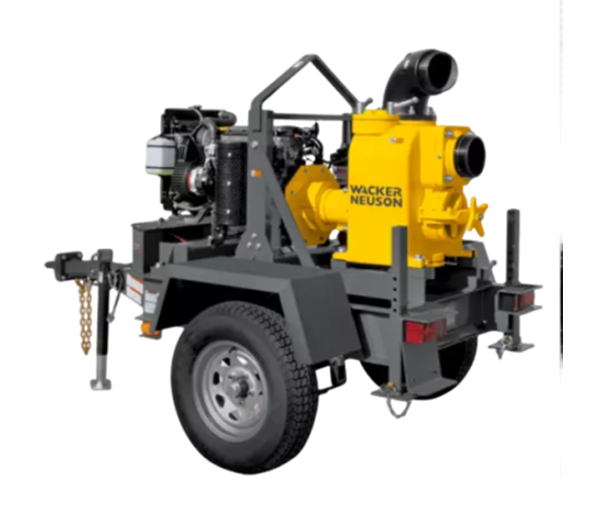
Our PT Series Self-Priming Sewage Pumps are designed around this practical need. The series is intended for moving wastewater, dirty water and other liquids containing suspended solids in applications where dependable drainage and easy operation matter. The self-priming design is particularly useful when the pump needs to be installed above the water source or moved between different work areas.
At HKLOONG, our main product range includes crawler excavators, Wheel loaders, Backhoe loaders and amphibious wetland Excavators. Alongside these heavy machines, I also work with compact equipment for jobs where access is tight and mobility is important. PT Series pumps fit naturally into this approach. They can support construction crews, municipal maintenance teams, agricultural users and other operators who need a practical pumping solution without installing a permanent system.
In this product page, I will explain how I look at PT Series self-priming sewage pumps, how the pumping process works, which factors affect real performance, where the pumps can be used and what I recommend checking before placing an order.
1. What Are PT Series Self-Priming Sewage Pumps?
The PT Series Self-Priming Sewage Pumps are centrifugal pumps developed for demanding water-transfer and drainage applications. The main idea is simple: instead of requiring the entire suction system to be manually filled with water every time the pump starts, a self-priming pump is designed to remove air from the suction line and establish liquid flow.
This can make a noticeable difference on temporary work sites. Imagine a contractor working in an excavation area. Water collects at the bottom, while the pump needs to remain on stable ground above it. The suction hose reaches down to the water, and the discharge hose sends the water away from the excavation. The pump may be stopped at the end of the day and started again the next morning. A self-priming design can simplify this repeated process.
The sewage-pump side of the design is just as important. Wastewater is rarely perfectly clean. Depending on the application, it may contain suspended solids, mud, sand, organic matter or other debris. A sewage or trash pump therefore needs an internal design that can handle more difficult liquid conditions than a standard clean-water pump.
I always make one point clear to buyers: the words “sewage pump” and “self-priming” do not automatically define the full performance of a pump. Flow rate, total head, suction lift, solids-handling capability, liquid temperature, material compatibility and power source all affect the final result.
That is why I recommend selecting the PT Series according to the actual working condition rather than choosing a pump simply because its name contains a certain pipe size or flow number.
Typical applications I consider
Construction site dewatering
Excavation drainage
Municipal wastewater transfer
Stormwater removal
Agricultural drainage
Industrial wastewater transfer
Emergency floodwater pumping
Temporary drainage systems
General dirty-water pumping
2. How a Self-Priming Sewage Pump Works
I like to explain self-priming operation in simple terms. A normal centrifugal pump needs liquid inside the pumping chamber to generate flow effectively. If too much air is trapped in the suction pipe, the pump may not be able to move water correctly.
A self-priming pump is built to deal with this air. During startup, the pump uses its internal design to separate air from the liquid and push the air out through the discharge side. As the air is removed, water fills the pumping chamber and normal centrifugal pumping begins.
The process sounds technical, but the practical benefit is easy to understand: the operator can have a simpler setup when the pump is positioned above the water level.
Once water reaches the impeller, the rotating impeller transfers energy to the liquid. The liquid is accelerated and then directed toward the discharge outlet. The pump continues moving water as long as the required operating conditions remain within its performance range.
However, the pump itself is only one part of the system. I always look at the suction hose, discharge hose, fittings and elevation as well. A long hose creates resistance. A high discharge point requires more head. Too many bends can increase pressure loss. A small suction hose can also restrict the amount of water entering the pump.
This is why maximum flow should not be treated as the flow that the pump will always deliver. A pump curve is normally the better way to understand the relationship between flow and head.
Reference data from published 4-inch self-priming pump products
| Published Product | Connection Size | Maximum Flow | Maximum Solids | Maximum Suction Information |
|---|---|---|---|---|
| Wacker Neuson PTS4 | 4 in. | 2,322 L/min | 50 mm | 7.6 m suction head |
| Wastecorp Trash Flow | 4 x 4 in. | 1,120 GPM | 3 in. | 25 ft. suction lift |
| DAE MAX440 | 4 in. intake/discharge | 900 GPM | 1.4 in. | 26 ft. automatic priming |
Source: manufacturer-published specifications from Wacker Neuson, Wastecorp and DAE Pumps. These figures are category reference data and are not presented as specifications of every PT Series configuration.
The comparison above also shows something important: two pumps with the same nominal 4-inch connection can have very different performance characteristics. That is why I always recommend checking the full technical data before making a purchase.
3. Main Features I Focus On in the PT Series
Self-priming capability
The main attraction is easier startup in applications where the pump is not fully submerged. This can be useful for temporary drainage, construction dewatering and mobile pumping jobs where equipment is regularly installed and removed.
Designed for difficult water
PT Series sewage pumps are intended for applications where the liquid may contain suspended material. The actual maximum solids size depends on the specific pump configuration, so I recommend checking the technical specification against the debris expected at the site.
Flexible installation
A self-priming pump can offer more flexibility in positioning compared with a permanently submerged pump. This can be useful when the water source is difficult to access or when operators need to keep the main pump unit on dry and stable ground.
Suitable for temporary pumping
Many construction and maintenance projects do not need a permanent pumping station. They need a pump for several hours, several days or a specific stage of the project. This is where portable self-priming sewage pumps can be practical.
Service-focused design
I also pay attention to maintenance. Pumps operating in dirty water will eventually need inspection. Impellers, seals, wear areas, casing surfaces and connections should be checked according to the operating environment and manufacturer's maintenance instructions.
Application flexibility
One pump series can potentially support several industries, but that does not mean every configuration fits every application. For example, wastewater containing abrasive sand creates different demands from relatively clean stormwater. Chemical liquids can also require different materials and seals.
4. How I Evaluate Pump Performance Before Ordering
When a customer asks me for a self-priming sewage pump, I do not start with the price. I start with the job conditions. A pump is a system component, and choosing it correctly requires a few basic numbers.
The first number is flow rate. This tells me how much liquid needs to be moved within a certain period. It can be expressed in liters per minute, cubic meters per hour or gallons per minute.
The second is total head. This is not simply the vertical height. It includes elevation plus losses created by the pipe, hose, fittings, valves and other restrictions.
The third is suction lift. This is the vertical distance between the water surface and the pump. Greater suction lift can make the pumping job more difficult and can affect priming.
The fourth is solid content. If the liquid contains large particles, I need to know their approximate size. This helps determine whether the selected pump can handle the liquid without frequent blockage.
The fifth is the liquid itself. Sewage, stormwater, agricultural drainage and industrial wastewater can all look like “dirty water,” but they may behave very differently. Temperature, chemical content and abrasiveness can affect pump materials and seals.
Practical selection checklist
| Parameter | Information to Provide | Why It Matters |
|---|---|---|
| Flow | L/min, m³/h or GPM | Defines the required pumping capacity |
| Total head | Vertical lift plus system losses | Determines the pressure the pump must overcome |
| Suction lift | Water surface to pump inlet | Affects priming and suction performance |
| Solids | Approximate maximum particle size | Helps prevent blockage and damage |
| Liquid | Water, sewage, sludge, stormwater, etc. | Influences materials and operating suitability |
| Discharge distance | Pipe or hose length | Creates friction losses in the system |
| Power | Available engine or electrical supply | Determines the appropriate drive configuration |
Source basis: pump selection principles and published manufacturer data from Wacker Neuson and other commercial pump manufacturers. The table is a practical purchasing checklist rather than a specification sheet for the PT Series.
For example, a pump advertised at 1,000 GPM may not actually deliver 1,000 GPM when the discharge pipe is long and the water must be lifted several meters. The operating point matters much more than a single maximum number.
5. Where PT Series Self-Priming Sewage Pumps Can Be Used
Construction and excavation dewatering
This is one of the applications I consider most natural for a self-priming sewage pump. Excavation areas can collect rainwater and groundwater, especially during wet weather. Contractors may need to keep the working area reasonably dry while foundations, underground pipes or other structures are installed.
With the pump placed on stable ground and the suction hose reaching the water, operators can create a temporary drainage system without installing a permanent pump station.
Municipal drainage and maintenance
Municipal teams often work with drainage channels, wastewater systems, stormwater infrastructure and temporary repair sites. A Portable Sewage Pump can provide temporary water transfer when a section of the system needs to be isolated or repaired.
Agriculture and farm drainage
Farms can face drainage problems after heavy rain or during seasonal water management. Agricultural water may contain soil, organic matter and other suspended particles. A suitable self-priming trash or sewage pump can be considered when clean-water equipment is not appropriate.
Industrial wastewater transfer
Industrial users may need to move wastewater between collection points, temporary tanks or treatment areas. Here I recommend paying special attention to chemical compatibility. If the liquid contains aggressive chemicals, the pump's wetted materials and seals need to be checked before operation.
Emergency floodwater removal
Flooding creates a different type of pumping requirement. Operators often need equipment that can be transported quickly and installed without complicated preparation. A self-priming design can be useful for this type of temporary water removal, provided the pump is correctly sized for the expected water and solids.
Wetland and infrastructure projects
Because HKLOONG also develops amphibious Wetland excavators, I understand that wet and unstable environments can make conventional equipment placement difficult. A compact pumping system can support water management during certain wetland, drainage and infrastructure projects, although the pump configuration still needs to match the site conditions.
6. Manufacturing, Testing and Customization at HKLOONG
At HKLOONG Heavy Industry Technology (Hefei) Co., Ltd., I work from an equipment-manufacturing perspective rather than treating a pump as a simple off-the-shelf accessory. Our business integrates equipment R&D, precision manufacturing, quality testing, customized modification and global distribution.
That background matters when customers have unusual working conditions. A contractor may need a specific power arrangement. A distributor may need a certain transport configuration. Another customer may need different connections or a setup that fits an existing drainage system.
Before finalizing a PT Series project, I recommend reviewing the complete operating condition. The pump body and internal components are important, but so are the engine or motor, suction system, discharge system, frame, fittings and operating environment.
During production, practical quality checks should focus on assembly, rotating components, sealing areas, connection points and overall operating condition. For equipment intended for international shipment, packaging and transport protection also deserve attention.
My approach is straightforward: first understand the application, then confirm the required performance, and only after that finalize the equipment configuration. This helps avoid the common situation where a customer buys a pump based on a headline flow rate and later discovers that the actual installation has much higher head or suction resistance.
For customers with specific requirements, HKLOONG can discuss customized solutions according to the project. Any customized configuration should be confirmed through the final technical documentation before production.
7. Why I Work With Customers Around the Actual Application
For me, buying a pump should not be a guessing game. If a customer tells me only “I need a 4-inch sewage pump,” I still need more information before I can suggest a suitable configuration.
I normally ask about the required flow, pumping height, suction distance, pipe length, liquid condition, solids, working hours and available power source. These questions may seem basic, but they can make a big difference to the final equipment choice.
HKLOONG has experience with equipment used across construction, agriculture, municipal work, industrial applications and demanding outdoor environments. Our wider machinery portfolio also gives us experience working with contractors who use several types of equipment on the same project.
For example, a construction contractor may use an Excavator for trenching, a loader for material handling and a self-priming sewage pump for temporary drainage. In a wetland project, amphibious machinery and water-management equipment may need to operate together. Looking at the whole job can therefore be more useful than looking at one machine in isolation.
I also understand the needs of international equipment buyers. Export projects may involve different electrical standards, engine requirements, transport restrictions and local working conditions. These details should be discussed before production rather than after the machine has already been shipped.
8. PT Series Self-Priming Sewage Pumps FAQ
What is a PT Series Self-Priming Sewage Pump?
It is a self-priming centrifugal pump designed for applications involving wastewater, dirty water and liquids containing suspended solids. The series is intended for practical drainage and water-transfer work in construction, municipal, agricultural and industrial environments. Exact performance depends on the selected configuration.
What does self-priming mean?
Self-priming means the pump is designed to remove air from the suction system and establish liquid flow without requiring the operator to manually fill the entire suction line every time the pump starts. The actual priming capability depends on installation conditions and the pump's technical design.
Can PT Series pumps handle sewage?
The PT Series is designed for sewage and dirty-water applications, but the exact suitability depends on the liquid composition and solids content. Before ordering, I recommend confirming the maximum solids size, liquid temperature, chemical content and required flow and head.
Can I use a self-priming sewage pump for construction dewatering?
Yes. Self-priming sewage and trash pumps are commonly used for construction dewatering because they can handle dirty water and can be positioned above the water source. The final pump size should be selected according to the excavation volume, required drainage speed, suction lift and discharge height.
What is the difference between a sewage pump and a clean-water pump?
A sewage pump is designed for more difficult liquids and normally provides a larger flow path or other features for handling suspended solids. A clean-water pump is generally intended for liquids with little or no solid material. If the water is clean, a clean-water pump may be more suitable depending on the application.
How do I choose the right PT Series model?
I recommend starting with the actual operating conditions rather than the model name. Please provide the desired flow rate, total head, suction lift, discharge distance, hose or pipe size, liquid type, expected solids size and available power source. These details allow the appropriate configuration to be evaluated.
Can PT Series pumps be used for agricultural drainage?
They can be considered for agricultural drainage where the liquid and solids content fall within the pump's operating range. Farm drainage water can contain soil, organic material and debris, so the pump's solids-handling capability should be checked before use.
Can HKLOONG provide customized configurations?
HKLOONG provides customized equipment solutions according to project requirements. Depending on the application, customization may involve the drive system, mounting arrangement, connections, transport setup or other equipment details. Final customization must be confirmed in the technical specification.
What information should I send when requesting a quotation?
I recommend sending the required flow rate, total head, suction lift, discharge distance, hose or pipe diameter, liquid type, maximum solids size, operating hours, power source and destination country. Photos, drawings or a simple site diagram can also help us understand the working condition.
Conclusion: A Practical Pumping Solution for Difficult Water
When I look at the PT Series Self-Priming Sewage Pumps, I see equipment designed around a common field problem: moving dirty water when a permanent pumping system is not available or practical. The self-priming design can simplify operation, while the sewage-pump concept makes the equipment suitable for water containing suspended solids within the specified operating range.
The most important point, however, is correct selection. Flow rate alone does not tell the whole story. Suction lift, total head, pipe length, solids size, liquid condition and power source all affect actual performance.
At HKLOONG, I prefer to discuss these factors before confirming an equipment configuration. Whether the project involves construction dewatering, municipal drainage, agricultural water management, industrial wastewater transfer or emergency pumping, I can work from the actual site conditions and help identify the relevant PT Series configuration.
For buyers searching for PT Series Self-Priming Sewage Pumps, self-priming sewage pump, 4 inch self-priming sewage pump, portable sewage pump, self-priming trash pump, construction dewatering pump or wastewater transfer pump, the right starting point is always the same: define the working condition first, then match the pump to it.
Reference Sources for Comparison Data
Wacker Neuson, PTS4 technical data and product information, including published flow, pressure, suction and solids-handling specifications.
Wastecorp, 4-inch self-priming centrifugal Trash Flow pump specifications and application information.
DAE Pumps, MAX Series self-priming pump information and published 4-inch configuration data.
Pentair Hydromatic, published self-priming sewage pump information and service-related product features.
Important technical note: The third-party figures in the comparison tables are included only as category reference data. They are not HKLOONG PT Series specifications. Final flow rate, head, solids-handling capability, dimensions, power and other technical parameters should be confirmed against the applicable HKLOONG technical datasheet and quotation.



 WhatsApp
 Phone
Phone E-mail
 Message