
 Español
 Pусский
 Français
 العربية


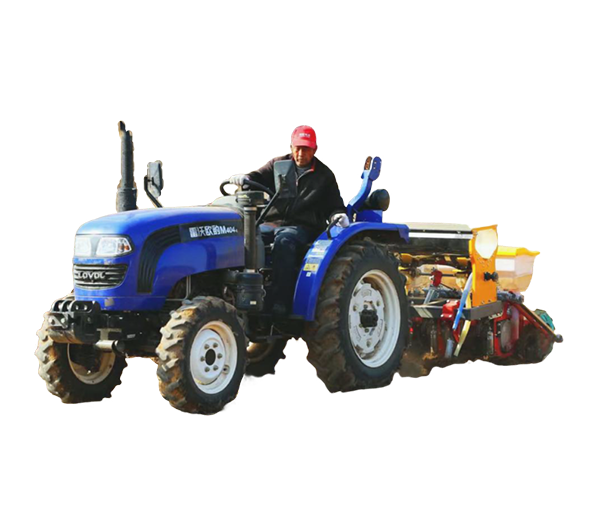
When I work with a small or medium-sized farm, I do not always need a large tractor. In many cases, a compact machine with the right amount of power is more practical. That is where the TE SERIES 24-35HP Platform Tractor comes in. I see this type of tractor as a flexible working machine for farms, orchards, greenhouses, transport work, field maintenance, and other agricultural applications where space and operating cost matter.
The idea is simple: give the operator enough power to complete everyday farming jobs without making the machine unnecessarily large. A 24-35HP tractor can be useful for soil preparation, cultivation, trailer transport, mowing, spraying, fertilizer spreading, orchard work, and many other light to medium-duty operations. With the right implement, the same tractor can perform several different jobs during the farming season.
At HKLOONG Heavy Industry Technology (Hefei) Co., Ltd., I approach agricultural machinery from a practical engineering point of view. Our broader business covers equipment R&D, precision manufacturing, quality testing, customized modification, and global distribution. Our main product range includes crawler excavators, Wheel loaders, Backhoe loaders, and amphibious wetland Excavators. For agricultural machinery, I use the same basic idea: understand the application first, then match the machine to the real working conditions.
The TE SERIES 24-35HP Platform Tractor is particularly interesting when maneuverability, implement compatibility, simple operation, and manageable operating cost are important. I would not use a small tractor simply because it is smaller. I would choose it because its size and power make sense for the job.
1. What Is a 24-35HP Platform Tractor and Who Is It For?
A platform tractor is a wheeled agricultural tractor with an open operator area or platform around the driver's seat. Compared with a fully enclosed tractor cab, a platform design is generally simple and gives the operator direct visibility of the surrounding working area and attached implement.
When I describe the TE SERIES 24-35HP Platform Tractor, I think of it as a compact farm tractor designed around versatility. The 24-35HP power range is suitable for many smaller agricultural tasks where a full-size tractor would be unnecessarily large. It can also be easier to maneuver around buildings, orchard rows, farm roads, small plots, and other restricted areas.
The exact specification should always be confirmed for the final model. Public industry references for similar TE-series tractors show configurations around 25HP and 35HP, with diesel engines, four-wheel-drive options, mechanical or shuttle transmissions, hydraulic systems, rear PTO, and three-point hitch systems. These are useful reference points, but they should not be treated as HKLOONG production specifications.
I normally divide the potential users into several groups. Small farms can use this type of tractor for daily field work. Orchard operators can use a compact tractor where row width is limited. Greenhouse operators can benefit from a smaller footprint when working between structures. Livestock farms can use it for transport, mowing, feed handling, and general property maintenance.
For agricultural contractors, a compact tractor can also be useful as a support machine. It may not replace a high-horsepower tractor for heavy tillage, but it can handle a long list of secondary jobs. This flexibility is one of the main reasons I consider the 24-35HP class practical.
2. How I Understand the Working Principle of the TE SERIES Tractor
The working principle of a tractor is not complicated, but every system has to work together. The engine produces mechanical power. The clutch and transmission control how that power reaches the wheels. The differential allows the wheels to rotate at different speeds when turning. The hydraulic system operates compatible implements, while the PTO transfers rotary power to equipment such as rotary tillers, mowers, pumps, and other machines.
On a typical diesel compact tractor, the diesel engine provides torque at relatively low engine speeds. This is useful for agricultural work because many tasks require steady pulling force rather than high road speed. When I use a tractor for soil preparation or pulling an implement, I want controlled power and traction rather than simply a high top speed.
The transmission gives me another layer of control. Lower gears are useful when pulling an implement or working through heavier soil. Higher gears can be used for transport between fields. A shuttle or synchronized transmission can make forward and reverse changes easier for jobs that require frequent direction changes.
The PTO is another important part of the system. The PTO transfers rotational power from the tractor to a compatible implement. Depending on the tractor and implement, PTO speed and shaft configuration must be matched correctly. I always recommend confirming PTO requirements before selecting an attachment.
The hydraulic system supports another group of jobs. Hydraulic power can raise and lower three-point implements and operate compatible hydraulic equipment. Hydraulic flow and lift capacity should be checked against the implement's actual requirements rather than assuming that every 24-35HP tractor can operate every hydraulic attachment.
Finally, the three-point hitch provides the connection between the tractor and many agricultural implements. The hitch allows the operator to raise, lower, and position equipment behind the tractor. For a compact farm tractor, this system is central to versatility because one tractor can work with multiple implements.
3. Main Features I Look For in a 24-35HP Farm Tractor
The first thing I look for is a good balance between tractor size and engine power. A 24-35HP machine should be compact enough for restricted working areas while still having sufficient power for its intended implements. I do not want excessive size because it can make maneuvering harder, but I also do not want a tractor that is too light for the work.
Four-wheel drive is another useful configuration for many agricultural conditions. When the tractor is working on wet ground, slopes, loose soil, grassland, or uneven surfaces, additional traction can help transfer engine power to the ground. However, I still match the tire type to the application because drivetrain alone does not determine traction.
Ground clearance also matters. Orchard rows, crop fields, uneven farm roads, and wet agricultural areas can expose the tractor to bumps and changes in terrain. A suitable underbody height can reduce the chance of contacting the ground during normal work.
I also pay attention to steering. A compact tractor often needs to turn within relatively small spaces. This is particularly important in orchards, greenhouses, livestock yards, and small plots. A practical turning radius can save time because the operator spends less time making multi-point turns.
The operator platform should be simple and logical. I want the steering wheel, pedals, gear controls, PTO controls, hydraulic controls, and three-point hitch controls to be easy to understand. A tractor may be mechanically capable, but if the controls are confusing, the operator will have a harder time using it efficiently.
Maintenance access is another feature I take seriously. Agricultural machinery works in dust, mud, moisture, plant residue, and changing weather. Filters, fluids, belts, lubrication points, and other service items should be accessible enough for regular inspection and maintenance.
| Feature Area | What I Check | Why It Matters |
|---|---|---|
| Engine | Power range, torque, cooling and fuel system | Determines available working power |
| Drivetrain | 2WD or 4WD configuration | Influences traction and field mobility |
| Transmission | Gear count and shift arrangement | Helps match speed to different jobs |
| PTO | Speed, shaft and implement compatibility | Transfers rotary power to implements |
| Hydraulics | Flow and lifting capability | Supports mounted and hydraulic implements |
| Three-Point Hitch | Category and lifting capacity | Connects and controls rear implements |
4. TE SERIES 24-35HP Tractor Specification Comparison
When I compare compact tractors, I do not look at horsepower alone. I want to understand the relationship between engine output, tractor weight, transmission, PTO, ground clearance, hydraulic capacity, and hitch capability. The following figures are public industry reference data from comparable TE-series tractor products. They are included for technical comparison only and are not presented as HKLOONG specifications.
| Reference Model | Rated Power | Engine | Transmission | Ground Clearance | Drive |
|---|---|---|---|---|---|
| TE254 | 25 HP / 18.4 kW | 3-cylinder diesel | 8F+2R or optional 8F+8R | Up to about 338-360 mm* | 4WD available |
| TE354 | 35 HP / 25.7 kW | 4-cylinder diesel | 8F+2R or optional 8F+8R | Up to about 338-360 mm* | 4WD available |
*Ground-clearance figures vary between published manufacturers and configurations. Source references include T.Y. Tractor, Terra Machinery, and other published TE-series product data. These figures are industry reference data only and are not HKLOONG specifications.
One published TE-series specification lists the TE254 at 25HP and the TE354 at 35HP, with 3-cylinder and 4-cylinder diesel engines respectively. The same reference describes 8F+2R and optional 8F+8R transmission configurations, along with PTO and hydraulic systems. Another published TE-series product page lists a 35HP model with a 1,600kg structure weight, 360mm ground clearance, 8F+2R transmission, and 540/720 or 540/1000 PTO options. These differences show why I always confirm the exact model before treating a number as final.
| Application | Power Requirement | Tractor Characteristic I Would Prioritize | Typical Implement Direction |
|---|---|---|---|
| Small field cultivation | 24-30HP range | Traction and suitable low-speed gears | Tiller, cultivator, harrow |
| Orchard maintenance | 24-35HP range | Compact width and maneuverability | Mower, sprayer, cultivator |
| Greenhouse work | 24-35HP range | Small footprint and steering control | Rotary tiller, trailer, sprayer |
| Farm transport | 25-35HP range | Transmission and trailer compatibility | Farm trailer, utility equipment |
| Livestock farm | 25-35HP range | Versatility and service access | Mower, loader attachment, trailer |
The important point is that horsepower should be treated as one part of the selection process. A 35HP tractor may have more available power than a 25HP tractor, but if the smaller tractor better fits the working space and implement requirements, it can still be the more practical choice.
5. Technical Advantages and Implement Compatibility
One of the biggest advantages I see in the TE SERIES 24-35HP Platform Tractor is versatility. A tractor in this class can work with different implements instead of being limited to one agricultural task. That means the machine can potentially be useful throughout the year rather than sitting unused after one season.
For soil preparation, I would consider implements such as rotary tillers, cultivators, harrows, and similar equipment. The correct choice depends on soil type, working width, working depth, PTO requirements, and tractor power.
For grass and vegetation management, a compact tractor can be paired with a suitable mower or cutter. This can be useful on farms, orchards, livestock properties, roadside areas, and other managed land.
For crop protection, compatible sprayers can allow the tractor to support spraying operations. Here I pay attention to speed control, implement weight, hydraulic requirements, and field conditions. A stable and predictable tractor is important when working between crop rows.
Transport is another practical application. A trailer can turn a compact tractor into a useful farm transport machine for moving tools, feed, harvested materials, fertilizer, or other supplies. Trailer weight and braking requirements must always be matched to the tractor and local regulations.
Hydraulic equipment can expand the tractor's role further. Depending on the tractor configuration, hydraulic flow and lifting capacity may support front or rear attachments. I would always check the actual hydraulic specification before selecting equipment because hydraulic flow, pressure, coupler type, and lifting capacity can vary.
Published industry data for comparable TE-series tractors show examples of hydraulic flow around 16-24 L/min and three-point lifting capacities that vary by model and measurement position. These numbers are useful as reference points, but I would never use them as a substitute for the final HKLOONG specification sheet.
The real technical advantage of a compact tractor is therefore not just the engine. It is the combination of power, traction, PTO, hydraulic functions, hitch compatibility, dimensions, and operator control.
6. Where I Would Use the TE SERIES 24-35HP Platform Tractor
I would consider this tractor class for small and medium-sized farms where a full-size tractor would be more machine than the operator actually needs. Small plots often require frequent turning, short transport distances, and work around buildings or other obstacles. A compact platform tractor can fit these conditions well.
Orchards are another important application. The operator may need to move between tree rows, mow vegetation, apply crop protection products, transport materials, or maintain the ground. Here, tractor width and turning ability can be just as important as horsepower.
Greenhouse farming creates a similar challenge. Space is limited, and large agricultural machinery may not fit between structures. A compact tractor with suitable dimensions can provide mechanical power while leaving enough room for maneuvering.
Livestock farms can use a 24-35HP tractor for a wide range of support work. Mowing, trailer transport, property maintenance, material handling, and general farm work can all benefit from a versatile compact tractor.
I would also consider this tractor class for municipal or estate maintenance where the machine may be used for grass cutting, vegetation control, light material transport, and seasonal maintenance. The exact configuration should be selected around the implement rather than choosing the tractor first and trying to make every implement fit afterward.
For farms in areas with wet or uneven soil, I would pay particular attention to four-wheel drive, tire selection, ground clearance, ballast, and operator safety. A tractor should be configured for the actual terrain, not simply for the brochure.
In export markets, climate and regulations also matter. Hot and dusty conditions can increase maintenance demands. Wet environments may require additional attention to sealing and corrosion protection. Cold climates may require different starting and fluid considerations. The final tractor configuration should therefore reflect the destination environment.
7. How I Approach Manufacturing, Quality Control and Customization
When I approach agricultural machinery at HKLOONG, I start with the working condition. I want to understand the farm size, crop type, soil condition, terrain, expected implements, transport requirements, and destination market before defining the final configuration.
For a compact tractor, I pay close attention to the relationship between the engine, transmission, axle, hydraulic system, PTO, hitch, steering, brakes, wheels, and frame. These parts cannot be selected independently. Increasing engine power, for example, may require corresponding attention to transmission capacity, cooling, braking, and drivetrain components.
During manufacturing and assembly, I look for consistent component installation and clear quality checks. Fasteners need correct tightening. Hydraulic connections need to be secure. Electrical wiring should be routed and protected properly. Steering and braking systems require functional checks before the tractor leaves the production process.
I also consider serviceability. Agricultural machinery works in demanding environments, and operators often need to perform basic maintenance on the farm. Engine oil, filters, lubrication points, cooling components, belts, and other routine service areas should be reasonably accessible.
Customization can be useful when the standard tractor does not fully match the application. Depending on the platform and market, project requirements may include different tire types, PTO configurations, hitch equipment, hydraulic outlets, operator protection, lighting, transport equipment, or other agricultural implements.
I would separate standard components from customized items in the final specification. This makes the tractor easier to inspect and helps the customer understand exactly what has been included in the configuration.
For international orders, I also pay attention to documentation. Product specifications, component information, inspection records, manuals, packing requirements, and destination-market documents should match the actual tractor. Clear documentation is particularly useful when machinery is shipped over long distances and later serviced by local teams.
8. Why I Choose HKLOONG for Compact Agricultural Machinery Solutions
At HKLOONG, I take a practical approach to agricultural machinery. Our company is headquartered in Hefei, China, and our broader engineering business covers R&D, precision manufacturing, quality testing, customized modification, and global distribution.
Our core product range includes heavy-duty equipment such as crawler Excavators, wheel loaders, backhoe loaders, and amphibious Wetland excavators. That background gives us experience with mechanical systems, hydraulic components, structural design, field conditions, and equipment customization.
For the TE SERIES 24-35HP Platform Tractor, I would use the same mindset but apply it to agricultural work. The goal is to understand the farm application and then match the tractor configuration to the implement, terrain, workload, and operating environment.
I also understand that international buyers may have very different requirements. A European orchard operator may care about narrow working width and local emissions requirements. A farmer in Southeast Asia may place more attention on wet-field traction and serviceability. A buyer in Africa or South America may focus on mechanical simplicity, parts availability, transport, and long-term operating cost.
That is why I prefer to confirm the specification before discussing the final machine. I would normally review engine power, drive configuration, transmission, PTO, hydraulic system, hitch category, tires, dimensions, operator protection, optional equipment, destination market, and required documentation.
For fleet or distributor customers, I would also discuss spare parts, maintenance support, packing, shipping, warranty arrangements, and expected annual usage. These details may not appear in a product photograph, but they can have a major effect on the real value of agricultural machinery over several years.
My approach is straightforward: define the application, select the right configuration, inspect the important systems, document the final machine, and prepare it for the conditions where it will actually work.
9. TE SERIES 24-35HP Platform Tractor FAQ
What is a 24-35HP platform tractor?
A 24-35HP platform tractor is a compact agricultural tractor designed for small and medium-sized farming tasks. It normally provides an open operator platform and can be configured for field cultivation, transport, mowing, orchard work, greenhouse operations, and other agricultural applications.
What jobs can a 24-35HP tractor perform?
Depending on the configuration and implement, it can support soil preparation, cultivation, mowing, spraying, fertilizer application, trailer transport, orchard maintenance, greenhouse work, livestock-farm maintenance, and general property work.
Is 35HP enough for a small farm?
For many small-farm applications, 35HP can provide useful working power. However, the answer depends on soil type, implement width, working depth, terrain, tractor weight, traction, and the type of work being performed. I recommend matching the tractor to the implement rather than choosing horsepower alone.
Can the TE SERIES tractor use a rotary tiller?
A compatible rotary tiller can be used when its required power, working width, PTO speed, shaft configuration, and weight are within the tractor's rated capability. The exact compatibility should be confirmed against the final tractor and implement specifications.
Can I use a trailer with a compact farm tractor?
Yes, trailer transport is a common use for compact tractors. However, the trailer weight, braking system, hitch arrangement, road speed, and local regulations must be considered. I would always confirm the complete tractor-trailer combination before operation.
What is the advantage of 4WD on a small tractor?
Four-wheel drive can improve traction by allowing power to reach all four wheels. It can be useful on wet fields, loose soil, slopes, grassland, and uneven terrain. Tire selection and correct ballast are still important because 4WD alone does not guarantee traction in every condition.
What PTO speed should I choose?
The PTO speed must match the implement. Common agricultural implements are designed around specific PTO speeds, but the correct value depends on the implement and tractor configuration. I recommend checking the implement manufacturer's requirement before selecting or operating the PTO.
Can the tractor be customized for orchard work?
Depending on the platform, orchard-oriented customization may include suitable tire configurations, hydraulic options, PTO arrangements, operator protection, lighting, and compatible implements. Working width and turning requirements should be considered before finalizing the configuration.
What information should I provide when requesting a TE SERIES tractor?
I would provide the required horsepower, farm size, crop type, soil condition, terrain, preferred drive configuration, expected implements, PTO requirements, hydraulic requirements, destination country, and any local regulatory requirements. This information makes it easier to define a suitable compact farm tractor configuration.
Final Thoughts on the TE SERIES 24-35HP Platform Tractor
When I look at a compact tractor, I do not ask only, “How much horsepower does it have?” I ask a more useful question: “What work does this tractor need to do every day?”
For a small farm, a 24-35HP tractor can provide a useful balance between power, maneuverability, implement compatibility, and operating cost. For an orchard, compact dimensions and steering control can be critical. For greenhouse work, the machine needs to fit the available space. For livestock operations, versatility and easy maintenance may be more important.
The TE SERIES 24-35HP Platform Tractor is therefore best understood as a flexible agricultural platform rather than a machine for only one task. With suitable implements and the correct configuration, it can support cultivation, mowing, spraying, transport, orchard maintenance, and many other daily farming jobs.
At HKLOONG, I approach agricultural machinery with the same practical engineering mindset we use across our wider equipment business. I start with the application, check the working conditions, match the machine to the implement, consider service requirements, and pay attention to quality and documentation.
For international buyers, I also recommend confirming the exact tractor specification before placing an order. Engine model, rated power, transmission, drive configuration, PTO speed, hydraulic flow, hitch capacity, tires, dimensions, operator protection, emissions requirements, and available options can vary between configurations.
The most useful compact tractor is not necessarily the largest or most powerful one. It is the one that fits the farm, the implement, the terrain, and the operator. That is the approach I would take when developing or selecting a TE SERIES 24-35HP Platform Tractor for a real agricultural application.



 WhatsApp
 Phone
Phone E-mail
 Message