
 Español
 Pусский
 Français
 العربية

When a customer asks me about a large crawler excavator, I usually start with one simple question: what kind of work will the machine actually do? A 336 Hydraulic Excavator is a serious piece of construction equipment. It is built for jobs where a compact Excavator is simply not enough, but choosing the machine only by horsepower is not a good way to plan a project.
For me, the real value of a heavy excavator comes from the complete package. The engine needs to provide enough power, the hydraulic system needs to respond smoothly, the crawler undercarriage needs to keep the machine stable, and the boom, stick, and bucket need to match the work. Maintenance, transportation, attachments, fuel use, and operator comfort also matter once the machine starts working every day.
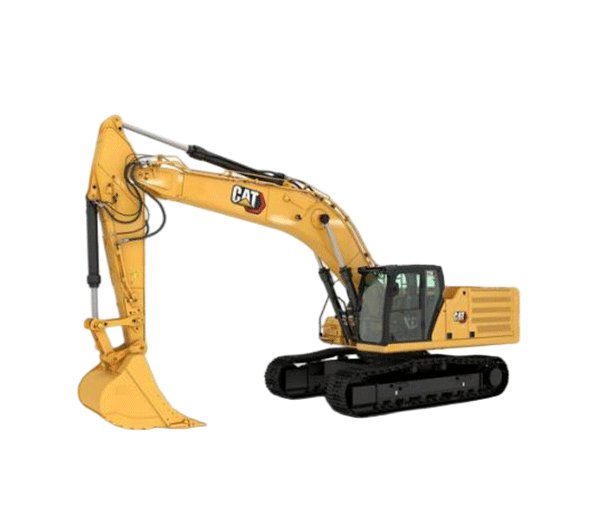
The 336 Hydraulic Excavator is designed for demanding excavation, trenching, bulk earthmoving, foundation work, road construction, infrastructure development, mining support, and material handling. Its crawler platform gives it a stable base on rough and uneven ground, while its hydraulic system turns engine power into digging, lifting, swinging, and travel movement.
Ganglong Heavy Industry Technology (Hefei) Co., Ltd. was founded in 2013. Together with Hefei Ganglong International Trade Co., Ltd., we operate across equipment R&D, manufacturing, testing, customization, sales, leasing, and international trade. We offer our own HKLOONG Excavators, loaders, Backhoe loaders, and swamp excavators, while also supplying complete machines and services for brands including Hitachi, SANY, Lonking, Hyundai, XCMG, SHANMON, and LOVOL, subject to actual availability and transaction conditions.
In this page, I will explain what I look at when evaluating a 336 Crawler Excavator, how the machine works, where it fits, how specifications can differ between configurations, and how we handle equipment preparation and international delivery.
1. What Is a 336 Hydraulic Excavator?
A hydraulic excavator uses an engine and hydraulic system to create the force needed for digging and lifting. The engine supplies power to hydraulic pumps. The pumps move hydraulic oil under pressure. Control valves then direct that oil to hydraulic cylinders and motors according to the operator's commands.
It sounds technical, but the basic process is quite easy to understand. When I move the joystick, the hydraulic system responds. One movement can raise the boom. Another can move the stick. Another controls the bucket. Separate hydraulic motors control track movement and upper-structure swing.
The crawler undercarriage is especially important on a machine of this size. A Large Excavator generates considerable force when the bucket enters the ground or lifts a heavy load. The tracks provide a wide contact area with the ground and help create a stable working platform.
The current Caterpillar 336 Tier 4 / Stage V product page lists a Cat C7.1 TTA engine, 300 hp (223.5 kW) net power, and an operating weight of approximately 36,800 kg. The same current configuration lists a maximum digging depth of 8,210 mm.
These numbers give us a useful reference, but I would not treat them as universal specifications for every machine carrying the 336 name. Caterpillar's own service information shows that different serial-number prefixes and configurations can have different engine power, operating weight, dimensions, and working ranges.
| Reference Specification | 336 Hydraulic Excavator | Practical Meaning |
|---|---|---|
| Engine Model | Cat C7.1 TTA | Provides power for excavation and hydraulic functions |
| Net Power | 300 hp / 223.5 kW | Supports demanding earthmoving work |
| Operating Weight | Approx. 36,800 kg | Creates a stable base for heavy excavation |
| Maximum Digging Depth | 8,210 mm | Suitable for deep excavation applications |
| Maximum Main Hydraulic Flow | 560 L/min | Supports demanding hydraulic functions |
| Maximum Equipment Pressure | 35,000 kPa | Provides hydraulic force for working functions |
| Lift Mode Pressure | 38,000 kPa | Supports lifting applications |
| Maximum Swing Torque | 143 kN·m* | Helps rotate the upper structure under load |
Source: Caterpillar official 336 product and technical information. *Swing specification shown in Caterpillar's published 336 technical data can vary by machine configuration and market.
2. How the 336 Crawler Excavator Works
The working principle of a crawler excavator is based on hydraulic power. I like to explain it in four simple steps: generate power, move hydraulic oil, control the flow, and turn that pressure into movement.
Engine Power
The engine is the starting point. On the current Caterpillar 336 Tier 4 / Stage V configuration, Caterpillar lists the C7.1 TTA engine with 300 hp net power and 302 hp under ISO 14396. The engine is designed to provide the power needed for both machine movement and hydraulic work.
Hydraulic Pump
The hydraulic pump takes mechanical energy from the engine and pushes hydraulic oil through the system. The oil does not simply circulate randomly. It is directed to the component that needs to move.
For the current 336 specification, Caterpillar lists a maximum main system flow of 560 L/min, maximum equipment and travel pressure of 35,000 kPa, and equipment lift-mode pressure of 38,000 kPa.
Control System
The operator uses joysticks and controls to tell the machine what to do. The hydraulic control system manages oil flow to the boom, stick, bucket, travel motors, and swing system.
This is where smooth control becomes important. A machine may have plenty of power, but if the operator cannot control that power accurately, some of the available capability is wasted. Digging near a foundation, working around underground utilities, or loading a truck all require different levels of control.
Work Cycle
A normal excavation cycle is quite simple: dig, lift, swing, dump, and return. The operator repeats this cycle hundreds of times during a busy workday.
That is why small improvements in each cycle can become meaningful over a full shift. Shorter unnecessary movements, better truck positioning, correct bucket selection, and smooth operator control can all affect the amount of material moved.
3. Main Features I Look At on a 336 Hydraulic Excavator
When I evaluate a heavy excavator for a customer, I try not to get distracted by marketing language. I want to know what the machine can actually do and whether those capabilities match the project.
Stable Crawler Undercarriage
A crawler undercarriage is one of the reasons large excavators can work on rough construction sites. Tracks spread the machine's weight over a larger ground contact area and provide useful traction.
This is particularly important when the machine is working on soft ground, slopes, muddy areas, or uneven construction sites. Still, tracks are not a substitute for proper ground preparation. Operators must always work within safe site conditions.
Strong Digging Capability
A large hydraulic excavator is expected to handle difficult digging conditions. The 336 class is intended for applications where substantial digging force and working reach are needed.
In practice, digging performance depends on the soil, rock, bucket shape, bucket size, stick length, machine configuration, and operator technique. A bucket designed for loose soil will not behave the same way as a heavy-duty bucket used in harder material.
Large Working Range
The current Caterpillar 336 product information lists a maximum digging depth of 8,210 mm. Caterpillar's published technical information also shows that working range changes according to the boom and stick combination.
This matters on deep foundation work, utility trenching, road construction, and large excavation projects. The machine can remain in a stable position while reaching into a larger working area.
Hydraulic Capacity
The hydraulic system is the heart of an excavator. The current 336 data lists 560 L/min maximum main system flow and 35,000 kPa maximum equipment pressure, with 38,000 kPa available in lift mode.
These figures are useful when matching attachments. A Hydraulic Breaker, grapple, shear, or other work tool may require specific flow and pressure. I always recommend checking those requirements instead of assuming that every attachment will work simply because it physically fits the machine.
Operator Technology
Modern excavators increasingly use technology to help operators work more consistently. Caterpillar's 336 product information has included technologies such as Cat Payload, Grade Assist, Cat Grade with 2D, Auto Dig Boost, Auto Heavy Lift, and Lift Assist.
For example, Cat Payload is designed to help operators estimate the material loaded into the bucket, while grade technologies can help with depth and slope control. These tools do not replace operator experience, but they can make repetitive work easier to monitor.
Maintenance Access
For me, maintenance is one of the most important parts of equipment ownership. A machine can be powerful, but if daily checks are difficult, small issues may be missed.
Engine oil, hydraulic oil, filters, cooling systems, track components, cylinders, hoses, and attachment connection points all deserve regular attention. The exact service schedule should follow the machine's official maintenance documentation and the conditions in which it operates.
4. 336 Hydraulic Excavator Specifications and Configuration Differences
One thing I always tell international buyers is not to copy a specification table from one website and assume it applies to every 336 excavator. Heavy equipment models can remain on the market for years, while engines, emissions standards, hydraulic systems, undercarriages, and working equipment can change.
Caterpillar's current 336 Tier 4 / Stage V page lists 300 hp net power, 36,800 kg operating weight, and 8,210 mm maximum digging depth.
However, Caterpillar's official technical service information shows different 336 serial-number configurations with different power and operating weights. For example, one listed 336 configuration has 311 hp and 36,900 kg, while another listed configuration has 232 kW and 36,000 kg.
| Reference | Net Power | Operating Weight | Maximum Digging Depth |
|---|---|---|---|
| Current 336 Tier 4 / Stage V product page | 300 hp / 223.5 kW | 36,800 kg | 8,210 mm |
| 336 DKS service configuration | 311 hp / 232 kW | 36,900 kg | Up to 8,200 mm with listed reach stick |
| 336 GDY service configuration | 232 kW | 36,000 kg | Approx. 7,520 mm with listed configuration |
Source: Caterpillar official 336 product page and 336/336 GC maintenance and service information. These are different machine configurations and are provided only to demonstrate why buyers should verify the exact serial number, market, year, and working equipment.
This is also why we ask customers for more information before preparing a quotation. If you need a 336 excavator for heavy construction, we want to know the country, emission requirements, application, bucket size, working range, transportation restrictions, and attachment needs.
336 Compared with the 340
Caterpillar currently lists both the 336 and 340 in its large excavator range. On the current Tier 4 / Stage V product comparison, the 336 is listed at 300 hp and 36,800 kg, while the 340 is listed at 346 hp and 37,700 kg. Both are listed with a maximum digging depth of 8,210 mm in that comparison.
| Current Reference Data | 336 | 340 |
|---|---|---|
| Net Power | 300 hp / 223.5 kW | 346 hp / 258.3 kW |
| Operating Weight | 36,800 kg | 37,700 kg |
| Maximum Digging Depth | 8,210 mm | 8,210 mm |
| Product Class | Large Excavator | Large Excavator |
Source: Caterpillar official 336 product page and its current product comparison information. Specifications can change by region and configuration.
For a buyer, this comparison is not about choosing a machine based on a single number. It is about understanding the working class and matching machine capability to the project's actual needs. A machine that is larger than necessary can create extra transportation, operating, and ownership considerations.
5. Applications of the 336 Hydraulic Excavator
The 336 is designed for large-scale work. I would normally consider it when the project requires substantial digging force, a large working range, and long working hours.
Mass Excavation
Large building sites can involve thousands of cubic meters of soil. A 336 crawler excavator can be used for bulk excavation, stockpile work, loading, and general site preparation when the job layout allows efficient truck movement.
Productivity is not just about the bucket. Truck positioning is equally important. If the truck is too far away, the excavator spends more time swinging. If the truck is positioned badly, the operator may have to make unnecessary movements. Good site planning can make a surprisingly large difference.
Foundation and Basement Construction
Deep foundation and basement excavation often require a machine with substantial reach and digging depth. The 336's working range makes it suitable for many large construction sites.
When working near existing buildings, the operator must also consider ground stability, underground structures, utility lines, and excavation safety procedures. Machine capability should always be used together with proper site planning.
Road and Railway Projects
Road and railway construction can involve excavation, drainage channels, embankment preparation, material loading, slope work, and general earthmoving.
The crawler platform is useful when the site contains rough ground or areas where a wheeled machine would have less traction. The correct track shoe width should be selected according to the project and transportation requirements.
Mining and Quarry Support
In mining and quarry applications, large excavators may be used for material loading, trenching, bench preparation, stockpile work, and general site support. The attachment must be selected according to the material.
Hard rock is very different from loose soil. If a hydraulic breaker or other specialized tool is needed, hydraulic flow, pressure, attachment weight, and machine stability should be checked before the equipment is ordered.
Pipeline and Utility Construction
A 336 excavator for trenching can be useful on large pipeline and utility projects where long or deep trenches are required. A suitable bucket and stick combination can help the machine reach the required trench dimensions.
For these jobs, I also pay attention to transportation between work sections. A large excavator may have plenty of digging capability, but the project still needs a practical plan for moving it safely between locations.
Material Handling
With an appropriate attachment, a large hydraulic excavator can handle certain material-moving tasks. Grapples, couplers, and other work tools can expand the range of applications.
Again, the attachment must be matched to the hydraulic system and machine configuration. “Fits on the arm” and “works correctly with the machine” are two different things.
6. Manufacturing, Inspection and International Delivery
For international machinery orders, I think the preparation process deserves as much attention as the machine itself. A customer may be thousands of kilometers away, so finding a problem after the equipment reaches the destination can be expensive and time-consuming.
For standard crawler excavators, our typical production cycle is around 30–60 days, depending on the model, configuration, order quantity, customization requirements, and actual machine availability.
Step 1: Confirm the Working Requirements
We first discuss what the customer needs the excavator to do. This can include excavation depth, soil condition, project type, working hours, bucket size, attachment requirements, destination country, local emissions requirements, and transportation restrictions.
For example, a machine intended for foundation excavation may need a different working setup from one mainly used for bulk loading. A machine planned for soft ground may also require a different undercarriage consideration.
Step 2: Confirm the Machine Configuration
We then confirm the actual model and configuration. This is where we check the engine, emissions standard, boom, stick, bucket, track shoes, counterweight, hydraulic options, attachments, and other relevant specifications.
For branded equipment, we clearly identify the actual manufacturer and machine model. Ganglong is a machinery supplier and international trade company; we do not claim to manufacture Caterpillar-branded equipment.
Step 3: Inspection and Functional Testing
Before delivery, the machine is inspected for hydraulic performance, engine operation, structural condition, controls, undercarriage condition, and overall working reliability. Depending on the transaction, inspection records and other agreed documentation can be provided.
For a Used Excavator, we pay additional attention to operating hours, hydraulic leakage, engine condition, track wear, cylinder condition, swing performance, structural repairs, and maintenance history when those records are available.
Step 4: Documentation
Depending on the order, the delivery package can include operating manuals, inspection records, spare parts, certificates, and other documents required by the customer and destination.
Step 5: Loading and Shipping
A 36-ton-class crawler excavator needs proper transportation planning. Depending on the machine dimensions, destination, port facilities, and shipping arrangement, transportation may use Ro-Ro vessels, bulk vessels, or container solutions.
Before loading, machines are normally cleaned and protected against rust and moisture. They are securely fixed for transportation, while detachable components may be packed separately when necessary.
| Stage | Main Check | Purpose |
|---|---|---|
| Requirement Review | Application, destination, attachment and working conditions | Match the machine to the project |
| Configuration Check | Engine, boom, stick, bucket, tracks and hydraulic system | Confirm the actual machine specification |
| Functional Inspection | Engine, hydraulics, controls and structure | Identify issues before shipment |
| Documentation | Manuals, records, certificates and agreed documents | Support delivery and customer use |
| Loading Preparation | Cleaning, rust protection and securement | Prepare equipment for long-distance transport |
Source: Ganglong Heavy Industry Technology and Hefei Ganglong International Trade standard equipment preparation and international delivery process.
7. Why We Supply Construction Machinery for Global Projects
Ganglong Heavy Industry Technology (Hefei) Co., Ltd. was established in 2013. Together with Hefei Ganglong International Trade Co., Ltd., we cover several parts of the construction machinery business, including equipment R&D, manufacturing, testing, customization, sales, leasing, and international trade.
Our own HKLOONG product range includes excavators, loaders, backhoe loaders, and swamp excavators. Alongside our own equipment, we also supply complete machines and leasing services involving brands such as Hitachi, SANY, Lonking, Hyundai, XCMG, SHANMON, and LOVOL, depending on actual availability and transaction arrangements.
This gives us a practical understanding of different equipment requirements. Not every customer needs the same machine, even if the project names sound similar.
For example, one customer may need a 336 Hydraulic excavator for mining, while another needs a machine for road construction. One may need a new machine with a specific emission standard. Another may be interested in a used machine. Another may need an attachment package or leasing solution.
Our international trade arm, Hefei Ganglong International Trade Co., Ltd., focuses on overseas machinery business. Our team has experience serving customers in Asia, Africa, America, and other regions.
When we prepare an international equipment quotation, we try to make the important information clear: actual model, machine condition, configuration, delivery time, inspection arrangements, payment terms, transportation method, and documents.
For a heavy machine, transparency matters. A customer should know what is being purchased before the equipment is loaded onto a vessel.
8. FAQ About the 336 Hydraulic Excavator
What is a 336 Hydraulic Excavator used for?
The 336 Hydraulic Excavator is designed for demanding excavation, bulk earthmoving, foundation work, trenching, road construction, infrastructure development, mining support, material handling, and other large-scale construction applications. The exact use depends on the machine configuration and attachment.
How much does a 336 excavator weigh?
The current Caterpillar 336 Tier 4 / Stage V product page lists an operating weight of approximately 36,800 kg. However, Caterpillar's technical information also shows different weights for other 336 configurations, so the exact operating weight should be confirmed from the machine's configuration and serial-number information.
How deep can a 336 excavator dig?
The current Caterpillar 336 product page lists a maximum digging depth of 8,210 mm. Working depth can change with the selected boom, stick, bucket, and other configuration details.
What engine does the 336 use?
The current Tier 4 / Stage V Caterpillar 336 page lists the Cat C7.1 TTA engine, with 300 hp net power and 302 hp under ISO 14396. Other production configurations may use different engine specifications, so the exact engine should be confirmed for the machine being purchased.
Can a 336 excavator work with different attachments?
Yes. Depending on the machine configuration, hydraulic system, and attachment requirements, a large crawler excavator can work with different buckets, hydraulic breakers, grapples, couplers, and other tools. Flow, pressure, attachment weight, and control requirements should be checked before installation.
Is the 336 suitable for mining work?
It can be used for selected mining and quarry support applications, including material loading, excavation, bench preparation, stockpile work, and general site support. The machine and attachment should be selected according to the material and operating conditions.
How long is the normal production cycle?
For standard crawler excavators, our typical production cycle is around 30–60 days. The actual schedule depends on the model, configuration, quantity, customization requirements, machine availability, inspection process, and shipping arrangement.
How do you ship a 336 excavator overseas?
Depending on the machine size, destination, port facilities, and shipping plan, we can arrange transportation by Ro-Ro vessel, bulk vessel, or container where practical. The machine is cleaned, protected against rust and moisture, securely fixed, and prepared according to the agreed loading method.
What payment terms are normally used?
International machinery orders are commonly arranged by T/T, with a deposit after order confirmation and the balance settled before shipment. The exact payment terms depend on the machine, transaction value, destination, and final contract.
Can Ganglong supply Caterpillar 336 machines?
We can discuss the supply of Caterpillar equipment when the requested machine is available through the applicable sales and trading channels. However, Ganglong is not the manufacturer of Caterpillar-branded machines. The actual manufacturer, machine model, configuration, condition, and documentation will be clearly confirmed before the transaction.
Final Thoughts on the 336 Hydraulic Excavator
When I look at a 336 Hydraulic Excavator, I do not see only a large yellow machine or a long list of specifications. I see a working system made up of the engine, hydraulic system, undercarriage, boom, stick, bucket, operator, attachment, transport plan, and maintenance schedule.
The current Caterpillar 336 Tier 4 / Stage V specification provides a useful reference point: 300 hp net power, approximately 36,800 kg operating weight, 8,210 mm maximum digging depth, and 560 L/min maximum main hydraulic flow.
But the most important lesson is that the model name alone is not enough. Caterpillar's own technical information demonstrates that 336 machines can have different specifications depending on production configuration and serial-number prefix.
That is why I recommend confirming the exact machine before making a purchase decision. Check the model, year, engine, emissions standard, operating weight, boom and stick, bucket, track shoes, hydraulic configuration, attachments, working range, and transportation dimensions.
At Ganglong, we focus on this practical side of machinery supply. We work with customers on equipment selection, configuration confirmation, inspection, documentation, payment arrangements, and international transportation. Whether the project involves road construction, infrastructure, mining support, foundation excavation, trenching, or large-scale earthmoving, we start by understanding the actual job.
If you are looking for a 336 crawler excavator, a 336 excavator for construction, or a heavy hydraulic excavator for an overseas project, send us your application, destination, required working range, attachment requirements, and preferred machine condition. We can then discuss the appropriate machine configuration and delivery plan based on the real working conditions.



 WhatsApp
 Phone
Phone E-mail
 Message