
 Español
 Pусский
 Français
 العربية

When I look at a Microcar, I do not see it simply as a smaller version of a normal passenger car. I see it as a vehicle designed around a different idea: using less space, carrying the essential number of people, and making short-distance urban travel easier. In crowded streets, narrow lanes, compact parking areas, campuses, resorts, industrial parks, and local communities, a smaller vehicle can solve problems that a conventional car cannot solve as easily.
At HKLOONG Heavy Industry Technology (Hefei) Co., Ltd., I approach vehicle development from a practical engineering point of view. Our company specializes in equipment R&D, precision manufacturing, quality testing, customized modification, and global distribution. Under the HKLOONG brand, our established product range includes crawler excavators, Wheel loaders, Backhoe loaders, and amphibious wetland Excavators. These machines are designed around real working conditions, and I bring the same thinking to compact vehicle applications.
A modern Microcar can be designed for short urban trips, local transportation, private communities, commercial campuses, tourism areas, service operations, and other environments where a full-size passenger vehicle may be more vehicle than the job actually needs. Depending on the market and vehicle category, a microcar may use an electric powertrain or a small internal-combustion engine.
The term Microcar can cover several vehicle concepts, so I do not treat every small four-wheel vehicle as exactly the same. In Europe, for example, the L-category system includes light and heavy quadricycles. EU rules define an L6e light quadricycle with a maximum design speed of 45 km/h and a maximum mass in running order of 425 kg, subject to the detailed category requirements. Local licensing and registration rules can still vary by country.
In this page, I will explain how I understand Microcar design, the working principle, important specifications, practical applications, manufacturing considerations, and how I approach customization. I will also compare several published microcar specifications so buyers can see how I read the numbers before selecting a vehicle.
1. What Is a Microcar and Why Do I Use One?
I define a Microcar as a very compact motor vehicle intended mainly for short-distance passenger transportation or light urban mobility. Depending on the market, it can also be described as a quadricycle, compact city vehicle, small urban car, or light four-wheel vehicle.
The main idea is simple: reduce unnecessary size while keeping the basic functions people need for everyday movement. A Microcar does not need to carry five adults and a large amount of luggage if the actual job is one or two people traveling a few kilometers across a city or private site.
This makes vehicle size one of its most important features. A shorter body can make parking easier. A narrower body can help when roads are tight. A smaller turning circle can make low-speed maneuvering more comfortable. Lower vehicle mass can also reduce the energy required for movement, although actual energy consumption depends on the complete vehicle design, driving conditions, and operating behavior.
I also see Microcars as useful when the transportation requirement is somewhere between a motorcycle and a conventional passenger car. The enclosed cabin can provide weather protection, while four wheels provide a familiar vehicle layout. However, I always check the legal category before making assumptions about licensing, road access, speed, or safety requirements.
This point is important for international buyers. Vehicle regulations are not identical everywhere. The European Commission explains that vehicle categories are used for regulatory and type-approval purposes, with category L covering two- and three-wheel vehicles and quadricycles.
So when I develop or evaluate a Microcar for a particular market, I start with the target country's regulations. The technical design must support the intended use, but the final vehicle also needs to meet the applicable approval, registration, lighting, braking, electrical, and road-use requirements.
2. How I Understand the Working Principle of a Microcar
The basic working principle of a Microcar is not complicated. The power system creates driving force, the drivetrain transfers that force to the wheels, the steering system changes direction, and the braking system controls speed and brings the vehicle to a stop.
What changes is the scale of the system.
For an electric Microcar, the battery stores electrical energy. A controller manages the flow of electricity to the traction motor. The motor creates torque, which is transferred through the drive system to the wheels. Depending on the design, a simple single-speed transmission can be enough because an electric motor can provide useful torque over a broad operating range.
The Citroën Ami provides a good industry example. Its published specification lists a 6 kW electric motor, a 5.4 kWh usable lithium-ion battery, a single-speed automatic transmission, and a published WMTC range of 46.6 miles. Citroën also lists a four-hour charging time from 0 to 100%. These figures are manufacturer-published reference data, not HKLOONG specifications.
A combustion-engine Microcar works differently. A small gasoline or diesel engine produces mechanical power, which passes through a transmission and then to the driven wheels. Because the vehicle is small and relatively light, the engine does not need the same output as a conventional passenger car for basic urban movement.
Suspension is another important part of the system. Even a small vehicle needs to absorb bumps and maintain contact between the tires and road. A typical compact vehicle may use independent suspension or other small-vehicle suspension layouts. The goal is not simply comfort. Good suspension also helps steering stability and braking behavior.
Brakes need to be matched to the vehicle's weight and legal category. Small size does not mean braking can be ignored. Depending on the design and regulations, a Microcar may use disc brakes, drum brakes, or a combination of both.
Finally, the body and chassis work together to create the cabin and support the mechanical systems. Because space is limited, I pay attention to component packaging. Battery placement, motor position, suspension mounting, steering components, passenger space, storage space, and electrical wiring all need to fit within a compact structure.
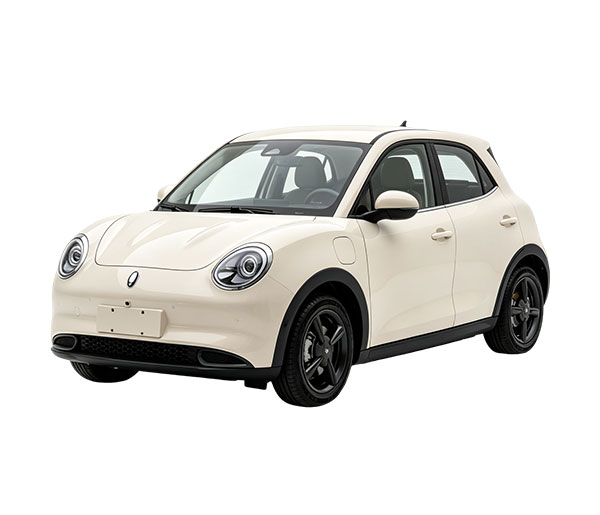
3. Main Features I Look For in a Microcar
When I evaluate a compact city car, I do not focus only on appearance. I look at how the vehicle behaves as a complete system. Several features usually matter most.
Compact Dimensions
Size is one of the main reasons to choose a Microcar. A short and narrow body can make low-speed movement easier in crowded areas. It can also simplify parking and reduce the amount of road space required.
For example, Ligier's published JS50 dimensions are approximately 2,972 mm long and 1,499 mm wide, with an operating weight of around 400 kg on the referenced model. These numbers illustrate how much smaller a Microcar can be than a conventional passenger car.
Low-Speed Urban Mobility
I consider low-speed operation a major part of the Microcar concept. Many trips do not require highway speeds. Local roads, campuses, resorts, industrial parks, residential areas, and short city routes can place more value on maneuverability than outright speed.
Simple Powertrain
An electric powertrain can be particularly attractive for compact urban vehicles because it can use a relatively small battery and motor when the expected travel distance is short. A combustion configuration can also make sense in markets where charging infrastructure is limited.
Easy Parking
A small vehicle can make better use of limited parking areas. This can be useful for city residents, commercial operators, hotels, resorts, campuses, and other sites where parking space is valuable.
Simple Operation
I prefer controls that are easy to understand. For a small urban vehicle, unnecessary complexity does not automatically improve the driving experience. Clear controls, good visibility, predictable steering, and easy entry and exit are often more useful.
Efficient Space Use
Inside a Microcar, every centimeter matters. I look at seating position, legroom, headroom, storage areas, battery placement, door design, and visibility. Good compact design is not simply about making everything smaller. It is about using limited space intelligently.
4. Microcar Specification Comparison: How I Read the Numbers
When I compare a Microcar for sale, I want to know what each specification actually means. A small battery does not automatically mean poor performance, just as a higher power figure does not automatically make one vehicle more suitable for urban use.
| Reference Model | Powertrain | Power / Battery | Published Weight | Published Range / Speed | Source |
|---|---|---|---|---|---|
| Citroën Ami | Electric | 6 kW / 5.4 kWh useful | 483 kg kerb weight including battery | 46.6 miles WMTC; 27.9 mph maximum | Citroën official specification guide |
| Ligier JS50 | Electric or diesel depending on version | Electric: 5.6 kW; Diesel: 6 kW | About 383–400 kg depending on published version | Electric range published up to 159 km on referenced version | Ligier official product data |
These models are useful references because they show two different approaches. Citroën's Ami uses a small electric powertrain and compact battery, while Ligier's JS50 has been offered with different powertrain configurations depending on market and version. The figures above are published manufacturer data and are not HKLOONG specifications.
| Specification | What I Check | Why It Matters |
|---|---|---|
| Vehicle length | Overall body length | Influences parking and maneuverability |
| Vehicle width | Overall body width | Important for narrow roads and parking spaces |
| Kerb / operating weight | Vehicle mass in the specified condition | Affects energy use, handling, and legal classification |
| Battery capacity | Stored electrical energy | Helps determine potential operating range |
| Motor power | Rated or maximum motor output | Helps indicate acceleration and operating capability |
| Turning circle | Space required to turn | Important for tight urban environments |
| Payload | Permitted additional load | Important for passenger and cargo use |
I also pay attention to the difference between laboratory or standardized test values and real-world operation. Published range figures are useful for comparison, but actual range can change with temperature, speed, road gradient, passenger load, tire pressure, traffic, and driving behavior.
For a buyer, this means the specification sheet is the starting point, not the whole story.
5. Where I Would Use a Microcar
I see several strong application areas for a small urban vehicle. The common factor is that the vehicle does not need to travel at high speed or carry a large load for long distances.
Urban Short-Distance Travel
This is the most obvious application. A Microcar can be used for short trips between residential areas, local stores, schools, workplaces, and service locations, subject to local road and licensing rules.
Residential Communities
Large residential communities often have internal roads, parking areas, gardens, service zones, and shared facilities. A compact vehicle can be easier to operate in these spaces than a full-size passenger car.
Resorts and Tourism
Hotels, resorts, holiday parks, and tourism sites can use compact vehicles for local mobility and guest services. The small footprint can be helpful where pedestrian areas and narrow internal roads are common.
Industrial Parks and Campuses
Factories, universities, research centers, and large campuses can have long internal routes but relatively low speed limits. A compact electric Microcar can be considered for staff movement, security work, inspection tasks, or local transportation.
Commercial and Service Operations
Some businesses need a small vehicle to move one or two employees and light equipment between nearby locations. In this case, I would focus on cabin access, storage, operating cost, turning space, and daily driving distance.
Urban Delivery and Light Utility Work
Some quadricycle categories also include utility versions. EU regulations specifically distinguish L6e-BU light quadri-mobiles designed for utility purposes from passenger-focused L6e-BP versions.
This opens the door to compact cargo concepts for local service work. However, the actual payload, cargo dimensions, road access, and licensing requirements must be checked for the target market before selecting a configuration.
6. How I Approach Microcar Manufacturing and Customization
When I think about Microcar manufacturing, I start with packaging. The vehicle is small, so there is less space to hide poor design. Every component has to fit into a limited area while still allowing access for assembly, inspection, and maintenance.
The chassis is the starting point. It needs enough structural strength for the intended vehicle mass and operating conditions while avoiding unnecessary weight. This balance is particularly important for electric vehicles because reducing unnecessary mass can help the available battery energy go further.
Body panels also need to be considered carefully. Compact vehicles may use steel, aluminum, composite materials, or combinations of materials depending on the design. The choice affects weight, durability, manufacturing cost, repair methods, and appearance.
The suspension and steering systems require accurate assembly because small vehicles can respond noticeably to changes in wheel alignment and component tolerances. I pay attention to mounting accuracy, fastener control, wheel alignment, and inspection procedures.
For an electric Microcar, battery installation is a major engineering area. The battery needs secure mounting, appropriate electrical protection, thermal considerations, and suitable wiring. The charging system also needs to match the target market's electrical infrastructure.
For a combustion-powered version, I would focus on engine mounting, cooling, fuel delivery, exhaust routing, transmission integration, and service access. Ligier's published JS50 data, for example, show that compact vehicles can use small diesel powertrains with very low displacement compared with conventional passenger vehicles.
Quality control should continue after assembly. I would check steering, braking, suspension, electrical functions, lighting, door operation, charging or fueling systems, and general vehicle behavior. For customized vehicles, I would also verify that the modifications remain compatible with the chassis and the relevant approval requirements.
At HKLOONG, our experience is centered on equipment R&D, precision manufacturing, quality testing, customized modification, and global distribution. Although our established heavy-equipment portfolio is different from a compact urban vehicle, the engineering principles are similar: define the working condition, select the correct structure, control manufacturing quality, test the finished product, and adapt the solution to the customer's real requirement.
7. Why I Take a Practical Approach to HKLOONG Microcar Solutions
When I discuss a Microcar supplier or compact vehicle project, I do not start by promising a particular specification before understanding the application. I first want to know where the vehicle will operate, who will use it, how far it needs to travel, how many people it should carry, whether it needs cargo space, and what regulations apply.
This is especially important for international customers. A vehicle that works well in one country may require changes before it can be sold or registered in another. Driver licensing, vehicle classification, maximum speed, lighting, braking, electrical requirements, charging systems, and type approval can all affect the final configuration.
I also look at the customer's daily operating pattern. If a vehicle only travels a few kilometers inside a private campus, a large battery may not be necessary. If it travels longer urban routes every day, range and charging time become much more important. If it carries equipment, payload and storage layout become part of the design.
For me, customization should solve a specific problem. It might involve storage space, seating arrangement, body dimensions, powertrain selection, charging configuration, or utility equipment. The purpose is to make the vehicle fit the working environment rather than simply adding features.
HKLOONG's engineering background gives me a practical way to approach customized equipment projects. Our company integrates R&D, precision manufacturing, quality testing, customized modification, and global distribution. We also operate the HKLOONG brand across a range of heavy equipment, including crawler Excavators, wheel loaders, backhoe loaders, and amphibious Wetland excavators.
For customers looking for a Microcar manufacturer or compact mobility solution, I would use the same engineering workflow: understand the application, define the technical requirements, confirm the regulatory category, select the appropriate vehicle architecture, review manufacturing requirements, and verify the final configuration before delivery.
I believe this approach is more useful than simply comparing brochures. A good compact vehicle should make sense in the place where it will actually work.
8. Microcar FAQ
What is a Microcar?
A Microcar is a very compact motor vehicle designed mainly for short-distance transportation. Depending on the country and design, it may be classified as a quadricycle or another type of small vehicle. The exact legal definition depends on the local regulatory system.
Is a Microcar the same as a quadricycle?
Not always. “Microcar” is commonly used as a market or descriptive term, while “quadricycle” is a formal regulatory category in some markets. In the European Union, quadricycles fall within the L-category vehicle framework, including L6e light quadricycles and L7e heavy quadricycles.
Are Microcars electric?
Many modern Microcars use electric powertrains, but not all of them do. The Ligier JS50, for example, has been offered with both electric and diesel configurations depending on the version and market.
How far can an electric Microcar travel?
There is no single answer. Range depends on battery capacity, vehicle weight, speed, temperature, road conditions, passenger load, and driving behavior. Published manufacturer test figures should be used for comparison rather than treated as guaranteed real-world range.
What is the advantage of a compact city car?
The main advantages can include a small footprint, easier parking, good maneuverability, lower vehicle mass, and suitability for short-distance travel. Whether these advantages matter depends on the operating environment.
Can a Microcar carry cargo?
Some compact vehicles are designed mainly for passengers, while others are available in utility configurations. Buyers should check the permitted payload, cargo dimensions, axle limits, and vehicle classification before using a Microcar for commercial transport.
Can I use a Microcar on public roads?
That depends on the vehicle's approval and the laws of the country or region. Some Microcars fall into regulated quadricycle categories with specific speed, mass, licensing, and road-use requirements. I always recommend checking local regulations before purchase or import.
What should I check when buying a Microcar?
I would check vehicle classification, maximum speed, operating weight, payload, powertrain, battery capacity if electric, charging time, range, dimensions, turning circle, brakes, tires, suspension, service requirements, spare parts, and local approval requirements.
Can HKLOONG provide customized compact vehicle solutions?
HKLOONG specializes in equipment R&D, precision manufacturing, quality testing, customized modification, and global distribution. Our established product portfolio focuses on heavy equipment. For a Microcar or compact vehicle project, the specific vehicle architecture, specifications, regulatory requirements, and production feasibility would need to be evaluated according to the customer's application and target market.
Final Thoughts
For me, the value of a Microcar comes from its ability to match a simple transportation job with a compact vehicle. If the daily task is short-distance urban travel, internal campus movement, resort transportation, or light local service work, a full-size car may not always be necessary.
The important part is choosing the vehicle according to the real application. I look at size, weight, powertrain, battery or fuel system, payload, turning ability, braking, suspension, storage, serviceability, and local regulations together. That gives me a much clearer picture than looking at one specification in isolation.
At HKLOONG, I use the same practical engineering mindset that guides our heavy equipment business. We focus on R&D, precision manufacturing, quality testing, customized modification, and global distribution. Whether the project involves compact mobility or heavy-duty equipment, my starting point remains the same: understand the working condition first, then build the technical solution around it.



 WhatsApp
 Phone
Phone E-mail
 Message