
 Español
 Pусский
 Français
 العربية


When I look at a road compaction project, I do not judge a roller by engine power alone. I want to know how evenly it works, how easy it is to control, how well it follows a narrow road section, and whether the machine can keep working without making maintenance unnecessarily difficult. For pavement maintenance and compact construction sites, these details matter a lot.
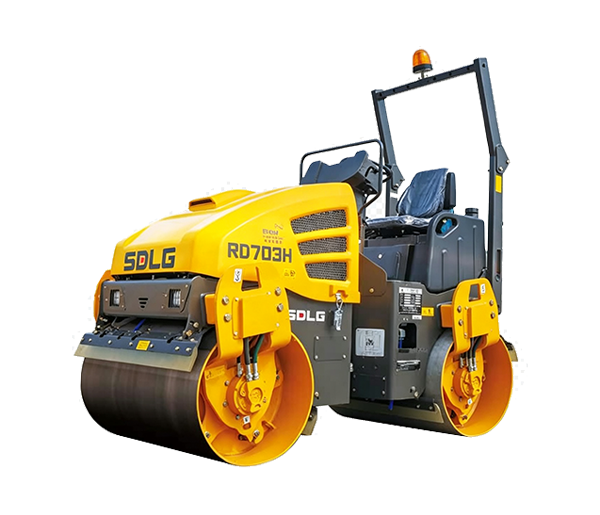
That is why I pay close attention to the Full-hydraulic double-drum vibratory roller. With two steel drums, full hydraulic propulsion and a compact self-propelled design, this type of roller is made for controlled surface compaction. Both drums can work directly on the pavement, giving the machine a stable footprint and an even rolling pattern.
Our full-hydraulic double-drum vibratory roller is designed for road maintenance, pavement compaction and construction work where working space may be limited. I see it as a practical machine for road repair, asphalt compaction, parking areas, municipal roads and similar projects where a larger road roller may be difficult to maneuver.
The basic idea is simple. The engine provides power, the hydraulic system transfers that power to the travel and vibration systems, and the two steel drums apply load and vibration to the working surface. The operator controls the machine through a straightforward driving and vibration system rather than dealing with a complicated mechanical transmission.
At HKLOONG Heavy Industry Technology (Hefei) Co., Ltd., we approach construction equipment from a manufacturing point of view. Our business covers equipment R&D, precision manufacturing, quality testing, customized modification and global distribution. We operate the HKLOONG brand with a wider product range including crawler excavators, Wheel loaders, Backhoe loaders and amphibious wetland Excavators. That experience shapes how I evaluate a compaction machine: every major system needs to work together under real site conditions.
1. What Is a Full-hydraulic Double-drum Vibratory Roller?
A full-hydraulic double-drum vibratory roller is a compact self-propelled compaction machine equipped with two steel drums. Unlike a single-drum soil roller, both the front and rear drums are part of the rolling system. The machine uses hydraulic power for propulsion and vibration, allowing the operator to control travel and compaction smoothly.
The two drums are important because they create a continuous steel rolling surface at both the front and rear of the machine. This makes the machine especially useful for pavement and asphalt work, where an even finish is important.
I normally separate the machine's work into three basic actions. First, the weight of the drums creates static pressure on the pavement. Second, the vibration system creates dynamic force. Third, the hydraulic drive keeps the roller moving at a controlled speed.
When the vibrating drums pass over suitable asphalt or aggregate material, repeated force helps settle the material and reduce air gaps. The goal is not simply to make the surface look flat. Proper compaction helps create a denser pavement structure with more consistent support.
This is why I would not treat a double-drum roller as just a small road roller. Its design is closely connected with surface quality. BOMAG describes its tandem vibratory rollers as suitable for pavement construction and smaller road and parking jobs, highlighting even surface finish and consistent operation.
Volvo's DD30B provides another useful industry reference. Its published design uses two drums, hydrostatic propulsion and a closed-loop parallel hydraulic circuit. The manufacturer lists a 3,102 kg operating weight, 1,250 mm drum width, 66.7 Hz vibration frequency and 33 kN centrifugal force for that specific model. These figures are external reference data and are not specifications for HKLOONG.
For me, the key advantage is the combination of a compact machine body and two vibrating steel drums. It gives the operator a useful balance between maneuverability, surface coverage and compaction performance.
2. How I Understand the Full-hydraulic Working Principle
The working process begins with the engine. Engine power is transferred to hydraulic pumps, which create hydraulic flow and pressure. Hydraulic motors then use that energy to move the machine and operate the vibration system.
Because the machine uses hydraulic propulsion, the operator can control travel smoothly. This is important during compaction because speed affects how long the vibration acts on a specific section of pavement.
If the roller moves too quickly, the drums spend less time working on each section. If it moves too slowly, production efficiency can fall. The correct speed depends on the material, temperature, layer thickness, vibration settings and project requirements.
The vibration system works through an eccentric mechanism inside the drum. When the eccentric weight rotates, it creates an unbalanced force. That force makes the drum vibrate and transfers dynamic energy into the material below.
On a double-drum vibratory roller, both drums can contribute to the rolling and vibration process. Depending on the machine design, the operator may be able to control vibration on both drums or select different vibration modes.
Caterpillar's CB7 provides a useful example of this industry approach. Its published specifications include independent vibration selection for the front drum, rear drum or both drums. It also lists two amplitude and two frequency options on the vibratory system. Again, these are Cat specifications, not HKLOONG specifications.
From an operator's point of view, I like this concept because it keeps the machine's main functions easy to understand. I control travel, direction and vibration, while the hydraulic system handles the power transfer behind the scenes.
Static Pressure and Dynamic Force
Static pressure comes from the weight carried by the drums. Dynamic force comes from vibration. These two forces work together, but they are not the same thing.
A heavier drum does not automatically mean better compaction in every situation. Likewise, stronger vibration is not automatically better. The operator needs to match the machine and working settings to the material.
That is why I always look at operating weight, drum width, vibration frequency, amplitude and centrifugal force together when evaluating a double-drum road roller.
3. Main Features I Look for in a Double-drum Vibratory Roller
When I inspect a full-hydraulic double-drum vibratory roller, I focus on the components that affect surface quality, maneuverability and daily service.
Two Steel Compaction Drums
The two drums are the most visible part of the machine, but their job goes much deeper than simply rolling over the surface. They transfer machine weight and vibration into the pavement.
A smooth steel drum is particularly useful when I want a clean and even surface finish. The drum diameter, width and shell construction all influence how the machine behaves.
For example, Caterpillar's CB7 has a 1,500 mm standard compaction width and a 1,108 mm drum diameter. Volvo's DD30B uses a 1,250 mm drum width and 736 mm drum diameter. These examples show that double-drum rollers come in very different sizes for different types of work.
Full Hydraulic Propulsion
Full hydraulic propulsion replaces the need for a conventional gear-based travel system as the main means of transferring power to the drums. Hydraulic motors can provide smooth movement and useful low-speed control.
This is especially helpful during repeated compaction passes. The operator can maintain a steady working speed without constantly changing mechanical gears.
Hydraulic Vibration Drive
The vibration system needs to work smoothly because the drum is exposed to repeated high-frequency movement. Hydraulic drive can provide controlled energy transfer to the vibration mechanism.
Compact Machine Dimensions
A compact roller is easier to position in many road maintenance areas. Narrow roads, parking lots, repair zones, urban streets and other confined spaces may not provide enough room for a large asphalt compactor.
Volvo's DD25B, for example, is published with a 1,000 mm rolling width and 2,515 kg operating weight, showing how compact double-drum machines can be configured for smaller compaction projects.
Simple Operator Controls
I prefer controls that are easy to understand. A compaction job may involve hundreds of repeated movements, so the operator should not need to spend unnecessary time thinking about complicated machine functions.
Convenient Maintenance
Construction equipment works in dust, heat, moisture and vibration. Routine inspection therefore matters. Hydraulic oil, engine oil, filters, hoses, fittings, cooling components and drum systems should be accessible for normal service.
| Machine System | Main Function | What I Check |
|---|---|---|
| Front drum | Rolling and compaction | Drum shell, bearings and vibration system |
| Rear drum | Rolling and compaction | Alignment, surface and vibration operation |
| Hydraulic propulsion | Moves the machine | Hydraulic flow, pressure and motor response |
| Vibration system | Creates dynamic compaction force | Frequency, amplitude and smooth operation |
| Steering system | Controls machine direction | Response, articulation and turning behavior |
| Cooling system | Controls engine and hydraulic temperature | Radiator, airflow and fluid condition |
Source basis: component functions reflect common tandem vibratory roller architecture. Public Caterpillar and Volvo specifications show double-drum machines using hydraulic propulsion, vibration systems and dual steel drums. This table is not a model-specific HKLOONG specification.
4. Technical Performance and Industry Comparison
When I compare a double-drum vibratory roller, I look at more than its engine. Operating weight tells me how much static load the machine can apply. Drum width tells me how much surface it can cover in one pass. Vibration frequency and amplitude help describe the dynamic compaction system.
The following figures are useful public industry references. They are deliberately separated from HKLOONG specifications because the actual HKLOONG machine parameters need to come from the final technical datasheet.
| Reference Model | Operating Weight | Drum / Rolling Width | Vibration Frequency | Amplitude | Source |
|---|---|---|---|---|---|
| Volvo DD25B | 2,515 kg | 1,000 mm | 55 / 67 Hz | 0.54 mm | Volvo CE |
| Volvo DD30B | 3,102 kg | 1,250 mm | 66.7 Hz | 0.38 mm | Volvo CE |
| Caterpillar CB2.7 | 2,698 kg | 1,200 mm | 53 / 64 Hz | 0.52 mm high | Caterpillar |
| Caterpillar CB7 | 8,625 kg ROPS | 1,500 mm | Model/configuration dependent | 0.31 / 0.65 mm | Caterpillar |
External reference data only. Specifications vary by model, configuration and market and should not be interpreted as HKLOONG product specifications.
This comparison also explains why I would not choose a roller simply because it has the largest number. A compact 1,000 mm machine may make more sense for a narrow municipal road, while a 1,500 mm machine may cover a wider pavement area more efficiently.
For a buyer, the right question is not “Which roller is biggest?” The better question is “Which roller matches my material, pavement width, project size and required compaction result?”
What the Main Numbers Tell Me
Operating weight: Gives an indication of the static load available through the drums.
Drum width: Influences the coverage of each pass.
Frequency: Describes how quickly the vibration cycle repeats.
Amplitude: Describes the size of the drum's vibratory movement.
Centrifugal force: Helps describe the dynamic force produced by the vibration system.
Travel speed: Affects productivity and the time available for each pass.
5. Why I Like the Double-drum Design for Confined Road Work
The biggest reason I would select a full-hydraulic double-drum vibratory roller is its balance between compaction performance and compact size.
Large road construction projects may have plenty of space for heavy equipment. Road maintenance is often different. A repair team may be working on a city street, parking lot, narrow access road or a section of pavement surrounded by curbs and other structures.
In those situations, maneuverability matters.
Road Maintenance
Road maintenance often involves short working sections. The operator may need to move forward, reverse, turn and repeat the same process many times. A compact double-drum roller is well suited to this type of repeated movement.
Asphalt Pavement Compaction
Both steel drums directly contact the pavement. This makes the machine useful for compacting asphalt layers and helping create an even surface finish. The exact rolling temperature, number of passes and vibration setting should always follow the paving method and material requirements.
Parking Lots
Parking areas often contain corners, narrow lanes and changing directions. A smaller tandem roller can be easier to position than a much larger machine.
Municipal Roads
Urban road maintenance can be difficult because the working space is limited. Curbs, drainage covers, parked vehicles, buildings and traffic-control arrangements can all restrict machine movement.
Bike Paths and Small Access Roads
Smaller pavement projects need a machine that can provide useful compaction without occupying too much space. This is another area where a compact double-drum roller can make sense.
Confined Construction Areas
When access is limited, machine width and turning behavior become practical purchasing factors. BOMAG specifically describes its tandem vibratory rollers as suitable for smaller road and parking jobs, while Volvo positions its smaller double-drum DD25B for small-scale compaction projects.
| Application | Why I Would Use a Double-drum Roller | Main Point to Check |
|---|---|---|
| Road maintenance | Compact size and repeated forward/reverse operation | Working width and access |
| Asphalt compaction | Two steel drums provide continuous rolling contact | Material temperature and rolling pattern |
| Parking lots | Good maneuverability in restricted areas | Turning radius |
| Municipal roads | Suitable for smaller repair sections | Road width and surrounding obstacles |
| Access roads | Combines rolling and vibration in a compact machine | Ground condition and required density |
Application reference: BOMAG identifies pavement construction and smaller road and parking jobs for its tandem vibratory rollers; Volvo describes the DD25B as a double-drum compactor for small-scale compaction projects.
6. Manufacturing and Maintenance: What I Check Before Delivery
A double-drum roller may look simple, but the machine experiences continuous vibration and repeated loading. That means I pay close attention to manufacturing quality, especially around the drums, frame, hydraulic system and steering structure.
Drum Manufacturing
The drum shell needs to maintain its shape under repeated loading. Its surface also needs to remain suitable for smooth pavement contact. The internal vibration assembly must be correctly installed and balanced.
Bearings are another important point. A vibrating drum places repeated loads on bearings and rotating components. Correct assembly and lubrication are therefore important for service life.
Hydraulic System Assembly
The hydraulic system contains pumps, motors, valves, hoses and fittings. Clean assembly is important because dirt or metal particles in hydraulic oil can damage precision components.
I also check hoses and connection points for correct routing. A hydraulic hose should not rub against a moving component or sit in a position where heat or vibration can cause unnecessary damage.
Frame and Steering Structure
The frame needs to remain stable while the two drums are working. If the machine uses an articulated steering system, the center joint needs careful inspection because it handles steering movement and structural loads.
Volvo's DD30B provides an industry reference with an articulated steering arrangement, ±30° articulation and ±10° oscillation. Again, those figures belong to Volvo's specific model and are not HKLOONG specifications.
Water Spray System
For asphalt compaction, drum wetting can help prevent hot material from sticking to the steel drum. Industry machines commonly use water tanks, pumps, spray nozzles and drum wipers for this purpose.
Caterpillar's CB7, for example, lists a 740-liter water spray tank and front/rear drum vibration selection. Volvo's DD30B lists a pressurized water system with multiple nozzles per drum. These are useful examples of how manufacturers integrate asphalt-compaction support systems.
Final Inspection
Before delivery, I want to see more than an engine-start test. The machine should be checked for travel direction, steering response, vibration operation, hydraulic functions, braking, water spraying, fluid levels, visible leakage, fasteners and operator controls.
The goal is simple: the machine should leave the factory ready for the type of work it was designed to perform.
7. Why I Would Choose HKLOONG for a Full-hydraulic Double-drum Vibratory Roller
When I source construction equipment, I want to understand the manufacturer behind the machine. A roller is a long-term working tool, so manufacturing capability, quality control and technical communication matter.
HKLOONG Heavy Industry Technology (Hefei) Co., Ltd. integrates equipment R&D, precision manufacturing, quality testing, customized modification and global distribution. We operate our own HKLOONG brand and develop heavy equipment for demanding working environments.
Our wider product range includes crawler Excavators, wheel loaders, backhoe loaders and amphibious Wetland excavators. These products require different machine structures, but the engineering principles are familiar: strong frames, reliable power systems, practical controls, careful assembly and serviceable components.
For the full-hydraulic double-drum vibratory roller, I would apply the same approach. The machine needs a reliable hydraulic system, properly assembled drums, stable steering, effective vibration and convenient maintenance access.
I also understand that international buyers may need different configurations. Engine emission rules, road regulations, climate, transport dimensions and working conditions can vary between markets.
That is why I prefer to understand the application before confirming a machine configuration. If you are working on narrow municipal roads, I want to know the available road width. If the machine is mainly for asphalt, I want to understand the paving material and working temperature. If it is for parking lots or confined construction areas, I want to know the turning and access requirements.
Customization should be based on those actual requirements. Rather than adding features simply for appearance, I prefer to focus on changes that improve practical operation, serviceability or suitability for the destination market.
I also keep a clear line between confirmed product data and industry reference information. If a specific HKLOONG model parameter has not been finalized, I will not use another manufacturer's number as a replacement. The final machine specification should always be confirmed through the official technical documentation.
8. Full-hydraulic Double-drum Vibratory Roller FAQ
What is a full-hydraulic double-drum vibratory roller?
It is a self-propelled compaction machine with two steel drums and hydraulic propulsion and vibration systems. It is commonly used for pavement, asphalt, road maintenance and other surface-compaction work.
What is the difference between a single-drum and double-drum roller?
A single-drum roller normally has one large steel drum and a rear axle or tires, while a double-drum roller uses steel drums at both the front and rear. Double-drum machines are commonly used for pavement and asphalt compaction because both drums provide direct rolling contact with the surface.
Why use a full hydraulic drive system?
A full hydraulic drive system provides smooth propulsion and controlled travel. It is particularly useful when the operator needs precise forward and reverse movement during repeated compaction passes.
Is a double-drum vibratory roller suitable for asphalt?
Yes. Tandem vibratory rollers are widely used for asphalt and pavement compaction. Many machines also include water spray systems and drum wipers to help reduce material Pickup during asphalt work.
Can this roller be used in confined spaces?
That is one of its useful applications. Compact double-drum rollers can be suitable for smaller roads, parking lots, municipal repair sections and other areas where a large road roller may be difficult to maneuver. The actual machine width and turning radius should be checked before purchase.
What does vibration do during road compaction?
Vibration creates dynamic force that works together with the static weight of the drums. It helps suitable asphalt, aggregate and other compactable materials rearrange into a denser structure.
What factors affect compaction quality?
Important factors include machine weight, drum width, vibration frequency, amplitude, travel speed, material type, material temperature, layer thickness and number of passes. The correct combination depends on the project.
Does the machine need a water spray system?
For asphalt work, a water spray system can help keep the drums from picking up hot material. The exact water-system design depends on the machine and application. Industry tandem rollers commonly provide water tanks, spray nozzles and drum-wetting systems.
How should I maintain a hydraulic double-drum roller?
I recommend regular checks of hydraulic oil, engine oil, filters, cooling components, hoses, fittings, drum bearings, vibration components, water spray equipment and safety systems. The manufacturer's maintenance schedule should always be followed for the specific machine.
Can HKLOONG customize the roller?
HKLOONG provides customized modification as part of its heavy-equipment manufacturing capability. Available options depend on the machine model, destination market and working requirements. The final configuration should be confirmed before production.
How do I choose the right double-drum road roller?
I would start with the job instead of choosing a machine from its size alone. Tell us the pavement type, working width, project size, expected daily operating hours, access limitations, climate and destination country. These details provide a much better basis for selecting the appropriate configuration.
Final Thoughts: A Compact Roller for Controlled Surface Compaction
I see the Full-hydraulic double-drum vibratory roller as a practical machine for road maintenance, asphalt compaction and construction work where space and surface quality both matter.
The two steel drums give the machine direct rolling contact with the pavement. The hydraulic propulsion system provides smooth movement, while the vibration system adds dynamic compaction force. Together, these systems allow the operator to make controlled passes and work efficiently on smaller or more confined road sections.
For me, the real value of this machine is not one impressive specification. It is the way the complete system works together. The drums need to run smoothly. The hydraulic system needs to deliver stable power. The steering needs to respond predictably. The vibration system needs to work consistently. And the machine needs to remain easy to inspect and maintain.
That combination makes the full-hydraulic double-drum vibratory roller suitable for many pavement and road-maintenance applications, especially where a compact self-propelled machine can provide an advantage.
At HKLOONG, I approach heavy equipment from the manufacturing side. We combine R&D, precision manufacturing, quality testing, customized modification and global distribution to support customers looking for practical construction machinery.
If you are sourcing a double-drum vibratory roller, hydraulic tandem roller, asphalt compaction machine or road roller for confined spaces, I recommend starting with your actual project conditions. Once we understand the pavement, working area, required compaction performance and destination-market requirements, we can work toward a machine configuration that fits the job.



 WhatsApp
 Phone
Phone E-mail
 Message