
 Español
 Pусский
 Français
 العربية


When I evaluate a road roller, I do not look at engine power alone. I want to know how the machine moves when the ground is soft, how well it holds traction on a slope, how evenly the drum transfers vibration into the soil, and how easy it is for the operator to control during repeated passes. For demanding earthwork, these details can make a bigger difference than a single number on a specification sheet.
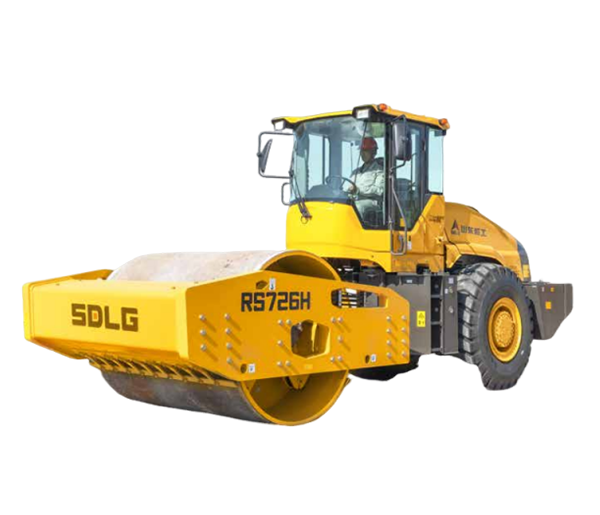
That is why I pay close attention to the Full-hydraulic dual-drive single-drum vibratory roller. This type of machine combines a heavy steel compaction drum with a full hydraulic travel system and dual-drive arrangement. The drum provides strong static loading, while the vibration system creates dynamic compaction force. At the same time, hydraulic drive gives the machine smooth and controlled movement.
Our product is designed for road-base compaction, earthwork filling, municipal engineering, site preparation and similar construction work. It is suitable for compacting soil, gravel and aggregate materials where the contractor needs a flat, solid and stable ground layer.
I particularly like the dual-drive concept because it focuses on traction as well as compaction. A roller does not work only on perfectly flat and dry ground. Real jobsites have slopes, loose areas, changing soil conditions and sections where the machine needs to stop, reverse and start again. A well-designed hydraulic drive system helps the operator maintain control in those situations.
At HKLOONG Heavy Industry Technology (Hefei) Co., Ltd., we approach heavy equipment from a manufacturing perspective. Our business covers equipment R&D, precision manufacturing, quality testing, customized modification and global distribution. We operate the HKLOONG brand with a product range including crawler excavators, Wheel loaders, Backhoe loaders and amphibious wetland Excavators. That experience influences how I look at a compaction machine: the frame, hydraulic system, drum, vibration mechanism, drive components and operator controls all need to work together.
1. What Is a Full-hydraulic Dual-drive Single-drum Vibratory Roller?
A Full-hydraulic dual-drive single-drum vibratory roller is a soil compaction machine that uses hydraulic power to control travel and vibration while using a single large steel drum as the main compaction tool. The word “single-drum” refers to the large steel drum at the front of the machine. The rear section normally uses tires or another traction system to support movement.
The phrase “full-hydraulic” describes the way power is transferred through hydraulic systems rather than relying mainly on a conventional mechanical transmission. Hydraulic pumps create oil flow and pressure, while hydraulic motors convert that hydraulic energy into movement.
“Dual-drive” is especially important. Instead of sending travel power through only one main drive point, the system can provide dedicated hydraulic drive to two traction paths, commonly the drum and rear axle. Caterpillar's CS5, for example, uses a dual-pump propel system with separate flow for the drum drive motor and rear axle motor. Caterpillar explains that this arrangement is intended to improve gradeability and traction in forward and reverse operation.
For me, this is the main practical difference between a basic single-drum roller and a more capable hydraulic dual-drive roller. The machine is not only pressing and vibrating the ground. It also needs to maintain controlled movement while the compaction system is working.
The drum provides two types of force. Its own weight creates static pressure against the soil. The internal eccentric mechanism then produces vibration, adding repeated dynamic force. When the machine moves at a controlled speed, the drum can apply this force consistently across the working area.
Soil compaction is really about reducing the empty spaces between particles. When suitable vibration and pressure are applied, soil and aggregate particles can rearrange into a denser structure. The result can be a stronger and more stable base for roads, yards and other construction work.
I would not describe vibration as a magic solution, though. The final result depends on soil type, moisture, layer thickness, machine weight, vibration settings, travel speed and the number of passes. The operator and the site engineer still have an important role.
2. How I Understand the Hydraulic Dual-drive Working Principle
The working process starts with the engine. The engine supplies mechanical power to hydraulic pumps. The pumps create hydraulic flow, and the flow is directed to the machine's travel and working systems.
In a dual-drive configuration, hydraulic flow can be divided between dedicated drive circuits. One circuit can drive the drum while another supports the rear axle or rear traction system, depending on the machine design. This allows the two ends of the machine to contribute to propulsion rather than leaving one end mainly to follow the other.
I find this useful when the ground becomes less friendly. On loose soil, a conventional drive arrangement may struggle if the powered wheels lose traction. With hydraulic drive applied to both major traction areas, the roller can distribute driving effort more effectively.
The same principle is useful when climbing a moderate grade. The operator needs enough torque to keep the roller moving without sudden speed changes. Hydraulic motors can provide strong low-speed torque, which is helpful for a machine that often works slowly while carrying a heavy drum.
The vibration system works independently but at the same time. An eccentric weight rotates inside the drum and creates an unbalanced force. The drum responds by moving rapidly up and down. That repeated movement sends dynamic energy into the compacted material.
The operator then controls the relationship between vibration and travel. If the roller moves too quickly, each section of soil receives less working time during a pass. If it moves too slowly, productivity can decrease. Good compaction comes from finding the operating speed that matches the material and target result.
Industry machines show how manufacturers combine hydraulic propulsion and vibration. BOMAG's single-drum rollers, for example, list hydrostatic travel and vibration drive, while several models also use a double-pump system for the travel drive. This confirms that separate hydraulic drive circuits are an established approach in professional soil-compaction equipment.
I therefore see the hydraulic dual-drive system as more than a technical feature. It is a way of giving the operator better control over traction, speed and movement while the drum performs the actual compaction work.
3. Main Components I Check Before Calling a Roller Reliable
When I inspect a full-hydraulic dual-drive soil compactor, I focus on the systems that have the biggest effect on real construction work.
Heavy Single Steel Drum
The drum is the main contact point between the machine and the ground. Its weight provides static loading, while the vibration mechanism adds dynamic force. Because it works under repeated vibration, the drum structure and internal components need to be designed for continuous service.
A smooth steel drum is commonly used for soil and aggregate compaction. The final drum configuration should always match the material and application. I would not use one drum design as a universal answer for every soil condition.
Dual Hydraulic Drive
This is the feature I would examine most closely. A dual-drive hydraulic arrangement can supply dedicated hydraulic power to the drum and rear traction system. This can improve the machine's ability to maintain movement when traction becomes difficult.
It also gives the operator smoother control during forward and reverse movement. That matters because road compaction involves many repeated passes, and every pass needs to follow a planned route.
Hydraulic Pumps and Motors
The pump converts engine power into hydraulic energy, while the motor converts hydraulic energy back into mechanical rotation. Matching pump flow, pressure and motor characteristics is important for predictable machine behavior.
Clean hydraulic oil is also important. Contamination can damage pumps, valves and motors, so filtration and proper maintenance should never be treated as minor details.
Adjustable Vibration System
Adjustable vibration gives the operator more flexibility when dealing with different materials. Not every soil or aggregate layer responds best to the same vibration condition. The final operating range should follow the actual machine specification and job requirements.
Strong Frame and Articulated Structure
The frame carries the engine, hydraulic system, drum and operator station. It must remain stable under repeated vibration. If the roller uses an articulated steering structure, the center joint also becomes an important mechanical area that needs careful design and inspection.
Cooling and Service System
Hydraulic equipment generates heat. During long work cycles, the hydraulic oil and engine cooling system need to maintain suitable operating temperatures. Easy access to filters, fluid levels, cooling components and inspection points can reduce service time.
| System | Primary Function | What I Check |
|---|---|---|
| Steel drum | Transfers static and dynamic force | Structure, surface and vibration assembly |
| Drum drive | Provides hydraulic propulsion | Motor, hydraulic flow and torque response |
| Rear drive | Supports traction and propulsion | Motor, axle and traction performance |
| Vibration system | Creates dynamic compaction force | Frequency, amplitude and bearing condition |
| Hydraulic system | Transfers power to working systems | Oil cleanliness, pressure, hoses and filters |
| Frame | Supports major machine assemblies | Welds, joints, mounting points and alignment |
Source basis: component functions are interpreted from common hydraulic roller architecture and published manufacturer configurations. Caterpillar identifies separate drum and rear-axle propel circuits on the CS5, while BOMAG lists hydrostatic travel and vibration drive and double-pump travel drive on selected single-drum models. These are industry references, not HKLOONG model specifications.
4. Technical Advantages of the Full-hydraulic Dual-drive Design
When I compare a hydraulic dual-drive roller with a simpler road roller, I look at how the design changes the operator's daily work rather than simply counting components.
Better Traction on Difficult Ground
The first advantage is traction. When the drum and rear traction system can both contribute to propulsion, the machine has more ways to maintain movement. This is particularly useful on loose ground, uneven surfaces and moderate slopes.
Caterpillar describes its dual-pump propel system as providing separate dedicated flow to the drum drive motor and rear axle motor, with the goal of improving gradeability and traction in forward and reverse.
Smooth Forward and Reverse Control
Hydraulic propulsion can make speed changes smoother. The operator can adjust travel without relying on frequent mechanical gear changes. This is useful when the roller must move slowly during compaction and then travel more quickly between work areas.
Strong Low-speed Working Ability
Compaction machines often work at relatively low travel speeds. Hydraulic motors can provide useful torque at low speed, allowing the machine to keep pushing through the material without requiring the operator to maintain high engine speed simply to keep moving.
Controlled Vibration
The vibration system adds dynamic force to the drum. If the machine provides adjustable frequency or other vibration settings, the operator has more flexibility to match operation to the material.
More Stable Performance on Slopes
A roller must be selected carefully for slope work, and safe operating limits always come first. Within the machine's approved working range, hydraulic dual-drive can help maintain traction when moving uphill or downhill.
Convenient Maintenance
A full hydraulic system does contain pumps, motors, hoses, filters and valves, but good layout makes routine service manageable. I want service points to be clearly positioned and easy to inspect.
| Performance Factor | Why It Matters | Typical Industry Approach | Source |
|---|---|---|---|
| Dual propel drive | Improves distribution of propulsion effort | Separate drum and rear-axle drive circuits on selected Cat models | Caterpillar CS5 |
| Hydrostatic travel | Supports smooth machine movement | Hydrostatic travel drive used on BOMAG single-drum rollers | BOMAG BW series |
| Hydrostatic vibration | Transfers hydraulic power to vibration system | Hydrostatic travel and vibration drive on selected BOMAG models | BOMAG BW series |
| Adjustable vibration | Allows operating conditions to be matched to material | Dual amplitude or variable-frequency systems available on some industry machines | Caterpillar product range |
Source: Caterpillar CS5, Caterpillar CS-series soil compactors and BOMAG BW-series single-drum rollers. Industry specifications and features vary by model and market; this comparison is not a specification sheet for HKLOONG.
5. Where I Would Use This Single-drum Vibratory Roller
I would position this single-drum vibratory roller for road construction mainly for soil and aggregate compaction. Its dual-drive hydraulic system becomes especially useful when the project involves repeated travel, variable ground conditions or moderate grades.
Highway and Road-base Construction
Road construction is one of the most natural applications. Before the final pavement layer is installed, the subgrade and aggregate base need to reach the required density. The roller can make controlled passes across the road base to create a stable foundation.
I would pay close attention to the rolling pattern. Each pass should overlap the previous one as required by the project method. The operator also needs to maintain a suitable speed and vibration setting rather than simply driving as quickly as possible.
Municipal Engineering
Municipal work includes road repair, drainage construction, utility installation, parking areas and public infrastructure. After excavation and backfilling, suitable materials often need compaction before the surface is restored.
The hydraulic drive makes the machine easier to position and control when the working area is smaller or has more frequent changes in direction.
Earthwork Filling
Large construction sites often require filling and leveling before buildings, yards or roads can be constructed. The roller can compact suitable fill materials in controlled layers.
Aggregate and Gravel Compaction
Crushed stone and aggregate bases need to be packed into a stable structure. Vibration helps particles rearrange and settle. The correct layer thickness and moisture condition still need to be controlled by the project team.
Industrial and Mining Roads
Industrial yards, mine access roads and internal construction roads can involve rough ground and repeated traffic. A heavy single-drum roller can help prepare these surfaces when its operating weight and drum configuration match the project.
Site Preparation
Before foundation or infrastructure work begins, the ground may need grading and compaction. I would use the roller after suitable filling and leveling work to help create a more stable working surface.
| Application | Typical Material | Main Benefit of the Roller | Key Consideration |
|---|---|---|---|
| Highways | Soil, gravel and aggregate base | Dense and even road foundation | Pass pattern and target density |
| Municipal roads | Fill and aggregate | Controlled movement in work areas | Available space and access |
| Earthwork | Selected fill materials | Layer-by-layer compaction | Material and moisture condition |
| Industrial yards | Aggregate and soil | Stable working surface | Required ground strength |
| Mining roads | Road-base materials | Compaction and traction | Terrain and operating environment |
| Site preparation | Soil and fill | Ground stabilization before construction | Layer thickness |
Application basis: Caterpillar and BOMAG both position single-drum vibratory soil compactors for soil, earthwork and road-related compaction. Final application suitability depends on machine configuration, material and site conditions.
6. Manufacturing and Quality Control: What I Check Before Delivery
A vibratory roller is exposed to continuous mechanical stress. Every time the eccentric weight rotates, vibration travels through the drum, frame and machine structure. That is why I consider manufacturing quality a key part of the machine's long-term performance.
I start with the frame. The main structure needs to support the drum, engine, hydraulic components and operator station without unnecessary flexing. Welding quality matters because repeated vibration can expose weak joints that may not be obvious during a short inspection.
The drum assembly receives another close check. The drum shell needs suitable strength, and the eccentric vibration components must be correctly positioned and balanced. Bearings and rotating shafts require proper assembly because alignment problems can create heat, noise and premature wear.
The hydraulic system is equally important. Pumps, motors, valves, hoses and fittings need clean assembly. Hydraulic contamination can damage precision components, so filtration and cleanliness should be part of the manufacturing and maintenance process.
I also check the cooling system. Long hours of low-speed heavy work can place a continuous load on both the engine and hydraulic system. Cooling airflow, radiator condition and hydraulic oil temperature therefore deserve attention.
Before delivery, I want more than an engine start test. The machine should go through a practical inspection of controls, travel direction, hydraulic operation, vibration function, fluid levels, braking system, safety equipment, fasteners and visible leakage.
Public manufacturer information shows the same general direction. BOMAG lists hydraulic travel and vibration drive, articulated steering, emergency stop and operator warning systems on its single-drum rollers. Caterpillar lists dual braking, hydraulic oil cooling and service-access features on several of its soil compactors.
For me, good quality control is not about adding a long list of features. It is about making sure the features already designed into the machine work together correctly.
7. Why I Would Choose HKLOONG for a Hydraulic Dual-drive Roller
When I select a construction equipment supplier, I want to know more than the machine's basic dimensions. I want to understand who builds it, how the equipment is tested, whether customization is possible and whether the supplier can communicate technical information clearly.
HKLOONG Heavy Industry Technology (Hefei) Co., Ltd. integrates equipment R&D, precision manufacturing, quality testing, customized modification and global distribution. This allows us to approach the full-hydraulic dual-drive single-drum vibratory roller as part of a complete heavy-equipment manufacturing system.
Our wider product experience includes crawler Excavators, wheel loaders, backhoe loaders and amphibious Wetland excavators. These machines operate in different environments, but they share several engineering requirements: strong structures, reliable power transmission, practical controls, serviceable components and stable operation under heavy loads.
For an international buyer, I also understand that the machine has to fit the destination market. Engine emission requirements, transport dimensions, operator protection, climate, spare-parts availability and working conditions can all affect the final configuration.
That is why I would rather start a quotation with technical questions than immediately send a generic machine price. I want to know the type of soil, project size, expected working hours, road width, slopes, climate and transport conditions. Those details help determine whether the roller is suitable for the actual job.
Customization is another part of our manufacturing capability. When a customer needs a particular configuration, the available options should be reviewed against the machine's engineering limits and destination requirements. The final configuration should then be confirmed through technical documentation before production.
I also believe in keeping product information honest. If a specific HKLOONG model parameter has not been finalized, I will not replace it with a competitor's number just to make a product page look more complete. External industry figures can help buyers understand the market, but the final purchase decision should always use the official HKLOONG technical datasheet.
8. Full-hydraulic Dual-drive Single-drum Vibratory Roller FAQ
What is a full-hydraulic dual-drive single-drum vibratory roller?
It is a soil compaction machine that combines a heavy steel drum, hydraulic propulsion and dual-drive technology. The drum provides static and dynamic compaction force, while the hydraulic drive controls machine movement and traction.
What does dual-drive mean on a vibratory roller?
Dual-drive generally means that hydraulic propulsion is provided through two main traction paths, commonly the drum and rear axle. Caterpillar, for example, describes separate propel pumps for the drum drive motor and rear axle motor on its CS5.
What is the main advantage of hydraulic dual drive?
The main practical advantage is improved control of propulsion and traction. When both major traction areas receive hydraulic drive, the roller can maintain movement more effectively on loose ground and suitable slopes. The exact performance depends on machine design and operating conditions.
Is this roller suitable for highway construction?
Yes. A single-drum vibratory roller is commonly used for soil and aggregate compaction during road construction. It can be used for subgrade, road-base and earthwork operations when the machine configuration matches the material and project requirements.
Can a hydraulic dual-drive roller work on slopes?
It can work on suitable slopes within the manufacturer's approved operating limits. Hydraulic dual drive can help maintain traction, but slope safety depends on grade, soil condition, machine configuration, operator skill and site conditions. The manufacturer's operating instructions should always be followed.
Why is vibration important for soil compaction?
Vibration adds dynamic force to the static weight of the drum. This repeated force helps particles in suitable soil and aggregate materials move closer together, reducing voids and increasing density.
Does higher vibration frequency always mean better compaction?
No. Higher is not automatically better. The correct frequency and amplitude depend on the material, layer thickness and machine design. Some industry rollers provide different vibration settings specifically to give the operator more flexibility. Caterpillar, for example, offers different amplitude and frequency arrangements across its soil-compactor range.
What materials can this roller compact?
The machine is intended primarily for suitable soil, gravel and aggregate materials. The correct compaction method depends on material type, moisture, layer thickness and required density. A project engineer should determine the appropriate rolling procedure.
What should I check before purchasing a full-hydraulic road roller?
I recommend checking operating weight, drum width, vibration frequency, amplitude, centrifugal force, hydraulic drive arrangement, engine configuration, travel speed, cooling system, maintenance access, safety equipment and destination-market requirements.
Can HKLOONG customize a hydraulic single-drum roller?
HKLOONG provides customized modification as part of its heavy-equipment manufacturing capability. Available options depend on the machine model, working conditions, destination market and customer's technical requirements. The final configuration should be confirmed before production.
How do I select the correct roller size?
I recommend starting with the project rather than the machine size. Tell us the material, layer thickness, required compaction result, working area, road width, terrain, expected operating hours and destination country. These factors provide a much better basis for selecting a suitable machine.
Final Thoughts: A Hydraulic Roller Built Around Traction and Compaction
I see the Full-hydraulic dual-drive single-drum vibratory roller as a practical machine for projects where strong compaction needs to be combined with controlled propulsion. The heavy steel drum provides the working force, the vibration system transfers dynamic energy into the ground, and the hydraulic dual-drive system helps the machine maintain traction and movement.
For me, the real advantage is the balance between these systems. A roller can have strong vibration, but if it cannot move smoothly across the site, productivity suffers. It can have good traction, but if the drum does not provide suitable compaction force, the ground may still fail to reach the required density.
That is why I evaluate the complete machine: drum loading, vibration system, hydraulic pumps, drive motors, traction, steering, cooling, operator controls and maintenance access. Each part has a job, and the machine performs well only when those parts work together.
For highway construction, municipal engineering, road-base preparation, earthwork filling, aggregate compaction, industrial yards and similar projects, this hydraulic dual-drive soil compactor can provide a useful combination of compaction force and travel control.
At HKLOONG, our approach is straightforward. We develop and manufacture heavy equipment around practical working requirements, test the important systems, support customization where appropriate and provide technical information that buyers can use when making a real purchasing decision.
If you are sourcing a full-hydraulic dual-drive single-drum vibratory roller, a hydraulic single-drum compactor or a heavy-duty vibratory road roller, I recommend starting with your actual working conditions. Once we understand the material, project, terrain and destination requirements, we can work toward a machine configuration that fits the job instead of forcing the job to fit the machine.



 WhatsApp
 Phone
Phone E-mail
 Message