
 Español
 Pусский
 Français
 العربية


When I choose a wheeled loader for a job, I look at more than lifting power. I want to know how easily the machine can move around the site, how quickly it can complete a loading cycle, and whether it can work comfortably in areas where space is limited. For short-distance loading and transport, these details can make a real difference.
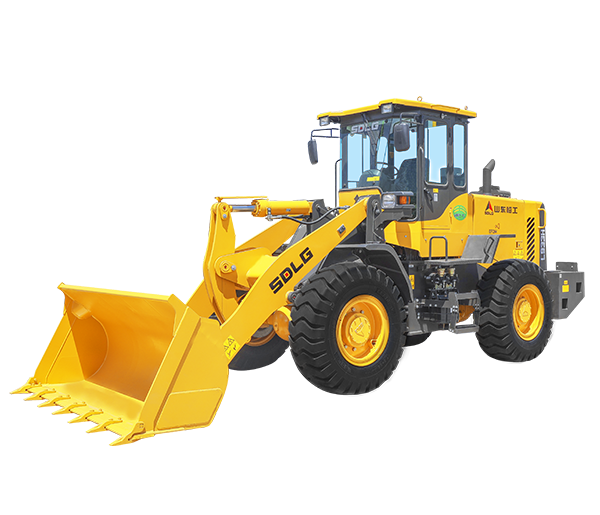
Our wheeled loader is designed around this practical idea. It combines a compact turning radius, flexible operation, efficient loading performance, and good mobility for everyday material handling. The machine is mainly used to load and transport small-to-medium-sized quantities of loose materials over short distances.
Typical materials include loose soil, sand, gravel, coal, refuse, and other bulk materials. Depending on the working configuration, a wheeled loader can also be used for stockpiling, site preparation, yard handling, loading trucks, and moving materials between nearby work areas.
I see this type of loader as a practical fit for ports, construction sites, sand and gravel plants, timber yards, material storage areas, and similar working environments. It is not designed around one single industry. Instead, its value comes from being able to move, load, and reposition materials quickly.
At HKLOONG Heavy Industry Technology (Hefei) Co., Ltd., we focus on equipment R&D, precision manufacturing, quality testing, customized modification, and global distribution. Our HKLOONG product range includes crawler excavators, Wheel loaders, Backhoe loaders, and amphibious wetland Excavators. We build our machines around practical working requirements and different site conditions.
1. What Is a Wheeled Loader?
A wheeled loader is a mobile construction machine that uses a front-mounted bucket to scoop, lift, carry, and discharge bulk materials. Unlike a crawler machine, it travels on wheels, which makes it well suited to jobs that involve frequent movement across relatively firm surfaces.
The basic working cycle is simple. I drive the machine toward the material pile, lower the bucket, enter the pile, raise the bucket, reverse or turn away, and then carry the load to the discharge point. After unloading, I return for the next cycle.
This may sound straightforward, but the machine's layout has a strong effect on productivity. A smaller turning radius allows the operator to change direction in a tighter area. Good steering response makes it easier to position the bucket. A responsive hydraulic system helps shorten the loading cycle, while suitable tires provide traction and stability.
For this reason, I would describe a wheeled loader as a combination of four basic functions:
Loading: scooping soil, sand, gravel, coal, refuse, and other bulk materials.
Lifting: raising the bucket to the required discharge height.
Transportation: moving material over short distances.
Discharging: emptying the bucket into trucks, stockpiles, hoppers, or other locations.
The machine can also be used with different attachments when the configuration supports them. This allows one wheeled loader to perform more than basic bucket work.
Why the wheel-mounted design matters
The wheels give the machine good mobility between working areas. If I need to move from one pile to another or travel between a loading area and a storage yard, I can generally do this without the machine being limited to one fixed position.
This is particularly useful in ports, aggregate yards, timber yards, and construction sites where material handling is repeated throughout the working day.
2. How Our Wheeled Loader Works
The main systems of a wheeled loader work together. The engine or power system supplies energy, the drivetrain transfers power to the wheels, the hydraulic system controls the working equipment, and the steering system changes the machine's direction.
| Machine System | Main Function | Why It Matters During Work |
|---|---|---|
| Power system | Supplies energy for travel and working functions | Determines available working and driving performance |
| Drivetrain | Transfers power to the wheels | Supports movement and traction |
| Hydraulic system | Operates the boom and bucket | Controls lifting, digging and dumping |
| Steering system | Controls machine direction | Helps the operator work in confined areas |
| Working attachment | Handles material | Determines what type of loading task the machine can perform |
| Axles and tires | Support the machine and transfer drive force | Influence stability, traction and mobility |
The loading process begins when the operator positions the bucket close to the material pile. The bucket is lowered and pushed into the material. The hydraulic system then raises the bucket while the machine reverses or changes direction.
Once the load is secure, the operator drives to the unloading position. The bucket is raised to the required height and tilted forward to release the material.
For short-distance transport, the distance between loading and unloading points is often more important than maximum travel speed. If the loader spends less time turning, repositioning, and waiting, it can complete more cycles during the same working period.
That is why I pay close attention to turning radius and operating flexibility when evaluating a small or medium wheeled loader.
3. Small Turning Radius and Flexible Operation
One of the key features of this wheeled loader is its small turning radius. On paper, turning radius may look like a simple dimension. On a real worksite, it can affect how the entire loading cycle works.
Imagine a material yard with piles placed close to each other. A large machine may need more space to turn after filling its bucket. A more compact wheeled loader can make the same maneuver in a smaller area, reducing unnecessary reversing and repositioning.
This can be useful in:
Construction sites with limited working space
Sand and gravel storage yards
Ports and material terminals
Timber yards
Refuse handling areas
Coal storage and handling areas
Small aggregate plants
Industrial material yards
Flexible operation also means the operator can make frequent changes in direction without the machine feeling difficult to control. This matters because loading work is rarely a straight-line process.
The operator may need to approach the pile from one direction, reverse, turn toward a truck, unload, and then return to the pile. A machine that responds well to steering and hydraulic controls can make these repeated movements easier.
Compact does not mean limited
I would not automatically assume that a compact loader is only suitable for light work. Compact and small wheel loaders can handle a wide range of bulk materials when the machine's bucket, operating weight, lifting capacity, and stability are correctly matched to the job.
For example, Caterpillar's current 906 compact wheel loader is published with an operating weight of 5,730 kg and bucket capacities ranging from 0.75 to 1.55 m³ depending on configuration. Its published outside-tire turning radius is 3,925 mm. These figures are provided here only as an industry reference, not as specifications for the HKLOONG machine. :contentReference[oaicite:0]{index=0}
4. Loading Performance and Technical Advantages
When I look at the technical side of a wheeled loader, I focus on how individual systems work together instead of looking at one specification in isolation.
Hydraulic loading system
The hydraulic system is responsible for much of the loader's working movement. It raises the boom, moves the bucket, and provides the force needed for loading operations.
A well-matched hydraulic system helps the operator control the bucket smoothly. This is important when working with materials that have different densities. Loose soil behaves differently from gravel, while coal and refuse may require different bucket handling techniques.
Bucket capacity and material density
Bucket size should always be selected together with material density. A larger bucket is not automatically better. If the material is heavy, filling a very large bucket may exceed the machine's safe load range.
Caterpillar makes the same point in its 906 specifications, noting that bucket selection should consider material density, application, machine stability, and tipping loads. Its published 906 bucket range is 0.75–1.55 m³ depending on bucket type. :contentReference[oaicite:1]{index=1}
For this reason, when I discuss bucket selection with a customer, I first want to know what material will be handled and how the machine will be used.
Four-wheel traction
Traction becomes especially important when the loader works on loose soil, gravel, sand, or uneven ground. The wheels must transfer the available drive force to the surface without excessive slipping.
Good tire selection is also important. Different surfaces can require different tread patterns and tire designs. A machine working mainly on a paved port yard may have different tire requirements from one working continuously in a gravel plant.
Fast loading cycles
For short-distance material handling, productivity often comes from repeated cycles rather than one large movement. If the machine can load, turn, carry, dump, and return smoothly, it can keep the material flow moving.
This is one reason I consider the whole loading cycle more important than simply asking how powerful the machine is.
5. Wheeled Loader Market Reference Data
Because the exact HKLOONG model specifications have not been provided, I use public manufacturer data below only to show the general size range of compact and small wheel loaders on the market. These figures are external reference data and should not be interpreted as HKLOONG specifications.
| Reference Model | Operating Weight | Bucket Capacity | Published Power | Source |
|---|---|---|---|---|
| Cat 903 | 4,173 kg | 0.6–1.0 m³ | 48 hp / 36 kW | Caterpillar |
| Cat 906 | 5,730 kg | 0.75–1.55 m³ | 74.7 hp / 55.7 kW | Caterpillar |
| Volvo L25 Electric | Approx. 4,950–5,100 kg | 0.8–0.95 m³ in cited configurations | Electric drive | Volvo construction equipment |
Caterpillar publishes the Cat 903 at 4,173 kg operating weight with a 0.6–1.0 m³ bucket range, while its 906 is listed at 5,730 kg with a 0.75–1.55 m³ bucket range. Volvo's L25 Electric product guide lists approximately 4,950–5,100 kg operating weight depending on configuration and bucket capacities around 0.8–0.95 m³ in the cited configurations. :contentReference[oaicite:2]{index=2}
These numbers show why buyers should compare more than horsepower. Operating weight, bucket capacity, tipping load, hydraulic lifting force, turning radius, tire configuration, and application all affect whether a wheel loader is suitable for a specific job.
| Buying Factor | Question I Would Ask | Reason |
|---|---|---|
| Material | What material will the loader handle? | Material density affects bucket selection and load stability |
| Transport distance | How far will the machine travel in each cycle? | Short-distance work favors quick loading and maneuvering |
| Working space | How much room is available for turning? | Turning radius affects site flexibility |
| Bucket capacity | What volume is required per cycle? | Helps balance productivity and safe loading |
| Ground condition | Is the surface paved, gravel, sandy or uneven? | Influences tire and traction requirements |
| Discharge height | Where will the material be dumped? | Determines required lift height and bucket reach |
| Daily workload | How many loading cycles are expected? | Helps determine suitable machine size and configuration |
This is also why I prefer to discuss the actual job before recommending a configuration. A port operator and a timber yard may both need a wheeled loader, but their working surfaces, materials, loading methods, and daily cycles can be very different.
6. Where I Use a Wheeled Loader
Construction sites
Construction is one of the most common applications for a wheel loader. I can use the machine to move loose soil, sand, gravel, construction waste, and other materials around the site.
It is especially useful when the material only needs to travel a short distance. Instead of bringing a large transport machine into every part of the site, a flexible wheeled loader can handle smaller movements quickly.
Ports and material terminals
Ports often require repeated movement of bulk materials. A wheeled loader can work around storage piles, loading areas, and transport vehicles. Its wheeled design is particularly suitable for firm working surfaces.
Sand and gravel plants
Aggregate facilities constantly move materials between stockpiles, processing areas, hoppers, and trucks. A wheel loader can support these material flows by handling sand, gravel, crushed stone, and similar bulk products.
Timber yards
Timber yards have different material-handling needs, but wheel loaders can be used for loose wood materials, site cleanup, stockpile work, and related handling tasks when the proper attachment is selected.
Coal handling
Coal is a typical bulk material that can be moved using a wheeled loader. Bucket capacity and material density need to be considered carefully because the loader must remain within its safe operating range.
Refuse and waste handling
Refuse handling can involve repeated loading and short-distance movement. The working environment may also contain sharp or irregular materials, so tire selection, bucket design, machine protection, and maintenance become important.
Agriculture and general material handling
Depending on configuration, wheel loaders can also support agricultural and industrial material handling. They can move soil, compost, feed-related materials, loose products, and other bulk goods.
7. How We Manufacture and Configure Our Wheeled Loaders
At HKLOONG, I believe that manufacturing a useful wheel loader starts with understanding what the machine will actually do.
Our company integrates R&D, precision manufacturing, quality testing, customized modification, and global distribution. This allows us to approach the machine as a complete equipment system rather than simply assembling individual components.
Application analysis
Before final configuration, I would consider the material, worksite, transport distance, ground condition, expected workload, required bucket type, discharge height, and available operating space.
For a small turning radius wheel loader, site dimensions are especially important. A machine that works well in an open quarry may not be the right choice for a narrow material yard.
Structural manufacturing
The frame and loader working equipment carry repeated loads throughout the machine's life. Welding, dimensional control, alignment, and component fit therefore matter.
We pay attention to the relationship between the chassis, axles, loader arms, hydraulic components, bucket connection, and steering system. These parts have to work together under repeated loading cycles.
Hydraulic and power system integration
The power system needs to provide enough energy for both driving and working functions. The hydraulic system must also respond properly to operator commands.
A loader is not useful if it has plenty of power but poor control. For daily material handling, I want predictable movement and a working system that allows the operator to complete repeated cycles without unnecessary delay.
Quality inspection and functional testing
Testing is an important part of the production process. Depending on the configuration, checks can cover steering, braking, hydraulic operation, bucket movement, travel functions, structural components, and other key systems.
The purpose is simple: identify problems before the machine reaches the customer's site.
8. Why Choose HKLOONG for a Wheeled Loader?
When I buy industrial equipment, I want to know who is behind the machine. The machine itself is important, but engineering support, configuration, quality control, and communication also affect the long-term value of the purchase.
HKLOONG Heavy Industry Technology (Hefei) Co., Ltd. is based in Hefei, China. We operate the HKLOONG brand and specialize in equipment R&D, precision manufacturing, quality testing, customized modification, and global distribution.
Our product range includes crawler Excavators, wheel loaders, backhoe loaders, and amphibious Wetland excavators. This wider equipment background gives us experience across different types of heavy machinery and working environments.
For a wheeled loader, I pay particular attention to application matching. A machine for sand and gravel handling does not necessarily need the same setup as a loader for a timber yard. A port machine may spend most of its time on firm ground, while a construction loader may encounter loose soil and uneven surfaces.
That is why customization is useful. Depending on the project, customers may need different bucket configurations, attachments, tires, dimensions, or working arrangements. The final options should be confirmed according to the actual machine model and project requirements.
My goal is to keep the process practical: understand the job, select the right machine configuration, control manufacturing quality, test the equipment, and support the customer through delivery and use.
Wheeled Loader FAQ
What is a wheeled loader mainly used for?
A wheeled loader is mainly used for loading, lifting, carrying, and unloading bulk materials. Common materials include soil, sand, gravel, coal, refuse, and other loose products. It is especially useful when materials need to be moved over relatively short distances.
What is the advantage of a small turning radius wheel loader?
A small turning radius allows the machine to maneuver in tighter spaces. This can reduce the amount of reversing and repositioning required during loading cycles. It is useful in construction sites, material yards, ports, sand and gravel plants, and other areas where working space is limited.
Can a wheeled loader handle gravel and sand?
Yes. Sand and gravel are common wheel-loader materials. However, bucket capacity should be matched to material density and the machine's rated operating limits. A larger bucket is not always the correct choice for heavy materials.
Can a wheel loader be used for coal handling?
Yes. Wheel loaders can be used for coal stockpiles and short-distance coal handling when the machine and bucket are properly configured. The operator should consider coal density, pile conditions, bucket capacity, tire selection, and machine stability.
Is a wheeled loader suitable for a timber yard?
It can be. Timber yards may use wheel loaders for loose wood materials, yard cleanup, stockpile work, and related handling tasks. The correct attachment is important because handling loose wood products is different from handling soil or gravel.
How do I choose the right wheel loader size?
I recommend starting with the material and working cycle rather than horsepower alone. Consider material density, required bucket volume, lifting height, transport distance, turning space, ground condition, daily operating hours, and expected number of cycles. These factors give a much clearer picture of the right machine size.
Can HKLOONG customize a wheeled loader?
HKLOONG can discuss customized configurations according to working conditions, material requirements, operating environments, and project needs. Specific customization options depend on the selected machine and should be confirmed during technical communication before production.
What should I check before buying a wheeled loader?
I would check operating weight, bucket capacity, tipping load, hydraulic performance, turning radius, tire configuration, lifting height, ground clearance, travel requirements, maintenance access, and the machine's suitability for the material being handled. For international buyers, transport dimensions, local regulations, spare parts, and service support should also be considered.
Final Thoughts
A wheeled loader does not need to be complicated to be useful. Its job is clear: load material, move it, unload it, and repeat the cycle efficiently.
For short-distance material handling, I find that maneuverability can be just as important as raw power. A compact turning radius, responsive steering, suitable hydraulic performance, good traction, and the right bucket can help the operator work more efficiently in real site conditions.
That is where our wheeled loader is positioned. It is designed for practical loading and transport of loose soil, sand, gravel, coal, refuse, and other bulk materials across construction sites, ports, sand and gravel plants, timber yards, and similar applications.
At HKLOONG, we combine equipment R&D, precision manufacturing, quality testing, customization, and global distribution. Rather than treating every customer as having the same requirements, I prefer to start with the actual worksite and then match the machine configuration to the job.
If the application requires a flexible wheel loader with a small turning radius, efficient loading performance, and good mobility for short-distance material handling, this type of machine can be a practical choice.



 WhatsApp
 Phone
Phone E-mail
 Message