
 Español
 Pусский
 Français
 العربية


When I talk about a Wheel Loader, I usually start with the work rather than the machine itself. A loader has to move material, load trucks, build stockpiles, clean work areas, and repeat the same cycle many times a day. If the machine is also expected to work indoors, underground, near residential areas, or in environmentally sensitive locations, the power system becomes just as important as the bucket and hydraulic system.
That is where our electric wheel loader comes in. The machine uses a lithium battery and electric drive system to provide the power needed for travel and material handling. Instead of a diesel engine producing power through combustion, electrical energy is stored in the battery and delivered to the drive and working systems.
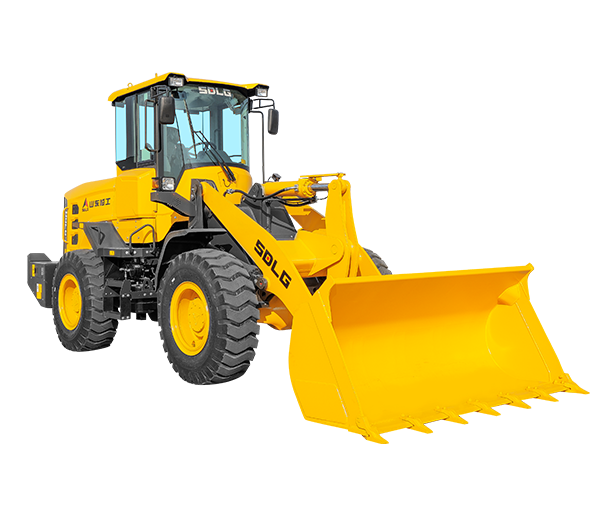
Our Wheel Loader is designed for construction, mining, agriculture, snow clearing, logistics, landscaping, and other material-handling applications. The front bucket can handle soil, sand, gravel, stone, waste, snow, and other bulk materials, depending on the selected configuration.
What I particularly value about this design is its working environment. The machine produces no direct exhaust emissions during use and can operate with significantly less powertrain noise than a conventional diesel loader. These characteristics can make an electric loader especially useful where people work close to the machine or where local exhaust emissions are a concern.
At HKLOONG Heavy Industry Technology (Hefei) Co., Ltd., we combine equipment R&D, precision manufacturing, quality testing, customized modification, and global distribution. We operate the HKLOONG brand with a product range that includes crawler excavators, wheel loaders, Backhoe loaders, and amphibious wetland Excavators.
For this product, our goal is not simply to replace diesel with electricity. I look at the complete machine: battery, electric drive, hydraulic system, loader structure, steering, tires, bucket, controls, charging, maintenance, and the actual work cycle.
1. What Is an Electric Wheel Loader?
An electric wheel loader is a wheel-mounted loading machine that uses a rechargeable battery and electric drive system instead of a conventional diesel engine as its primary power source. The basic working process remains familiar. The operator drives toward a material pile, fills the bucket, lifts it, carries the load, dumps the material, and returns for the next cycle.
The biggest change is inside the power system.
In a conventional loader, diesel fuel is burned inside an engine to create mechanical power. In a battery-electric loader, electrical energy stored in the battery is converted into mechanical power by electric motors. Depending on the machine design, separate motors or integrated systems can control travel and hydraulic functions.
The hydraulic system is still important because the loader arm and bucket need hydraulic cylinders for lifting and tilting. So I do not think of an electric loader as a machine without hydraulics. I think of it as a loader where electric power replaces the conventional engine as the main energy source.
| System | Main Function | What I Check |
|---|---|---|
| Lithium battery | Stores electrical energy | Capacity, thermal management, protection and charging |
| Electric drive motor | Provides wheel drive power | Torque, response and traction |
| Hydraulic system | Controls loader arm and bucket | Lifting force, response and efficiency |
| Loader arm | Raises and lowers the bucket | Structural strength and working range |
| Bucket | Loads and carries materials | Capacity, shape and material compatibility |
| Four-wheel drive | Transfers power to the ground | Traction on rough or uneven surfaces |
| Control system | Manages drive, hydraulic and battery functions | Response, monitoring and safety functions |
Source: General system description based on public electric wheel loader information from Volvo construction equipment and LiuGong. These are industry references and do not represent a specific HKLOONG configuration.
Current electric wheel loaders are available in very different sizes. Volvo's L20 Electric, for example, has a published operating weight of 4,500 kg in its European specification and a standard 40 kWh battery. LiuGong's 856HE is a much larger machine with published operating weights around 19,840–22,280 kg and battery options of 350 or 423 kWh.
This range tells me something important: when someone searches for an electric wheel loader, there is no single machine size that fits every project. The correct configuration depends on the work.
2. How Our Electric Wheel Loader Works
I like to explain the working principle in simple steps because the basic idea is actually quite easy to understand.
Battery Power Comes First
The lithium battery stores the energy required by the machine. Battery capacity is normally expressed in kilowatt-hours, or kWh. A larger kWh rating means the battery can store more energy, but that does not automatically mean longer working time in every application.
Load, travel distance, terrain, hydraulic demand, temperature, operator behavior, and working cycle all affect energy consumption.
Electric Motors Convert Energy into Motion
The electric drive system converts stored electrical energy into mechanical power. One useful feature of electric motors is fast torque response. When the operator requests movement, the motor can respond quickly without the same combustion and gear-change process used by a conventional diesel powertrain.
For loader work, this can be useful when entering a material pile, moving away from a truck, or making repeated forward-and-reverse movements.
Hydraulic Power Moves the Bucket
The bucket still needs to lift, tilt, and dump. The electric power system therefore works with hydraulic components. An electric motor can drive the hydraulic pump, which sends hydraulic oil to the boom and bucket cylinders.
The operator uses the controls to raise the loader arm, hold the bucket, tilt it backward, or dump the material. The control system manages the response between the operator's command and the hydraulic system.
Four-wheel Drive Provides Traction
Electric power is only useful if it reaches the ground effectively. Our configuration is designed around four-wheel drive so the machine can work on rough, uneven, or changing surfaces.
This matters in construction sites, gravel yards, farms, mines, snow clearing, and other applications where smooth paved ground cannot always be expected.
Charging Replaces Refueling
After the working cycle, the battery needs to be recharged. This changes the daily operating plan compared with a diesel loader. Instead of asking only how much fuel the machine can carry, I also ask where the charger will be installed, how much power is available, when the machine can charge, and how much work is required between charging sessions.
Volvo's L20 Electric, for example, publishes different charging times depending on whether standard AC or DC fast charging is used. The company also notes that charging performance depends on local grid conditions.
3. Why I Use an Electric Wheel Loader for Certain Jobs
I would not say that an electric loader is automatically the right choice for every construction site. Instead, I look at where electric power has a clear practical advantage.
No Direct Exhaust Emissions During Operation
A battery-electric loader does not produce tailpipe exhaust during operation. This can be useful for indoor work, underground applications with suitable safety planning, and environmentally sensitive sites where local exhaust emissions need to be reduced.
Volvo identifies zero exhaust emissions during use as one of the reasons to choose its electric construction equipment.
I do make an important distinction here: zero direct exhaust emissions does not mean zero environmental impact across the entire product life cycle. Battery manufacturing, electricity generation, transport, and end-of-life recycling all matter when looking at the bigger picture.
Lower Operating Noise
Electric drive systems can reduce powertrain noise because there is no conventional diesel combustion engine operating during the work cycle.
This can be useful around residential areas, farms, warehouses, factories, schools, landscaping projects, and other locations where communication and noise control matter.
Volvo specifically lists significantly lower noise levels among the benefits of its electric construction equipment.
Fast Torque Response
An electric motor can deliver torque quickly. For a wheel loader, this can help with low-speed control and repeated loading movements.
I find this particularly interesting for work cycles that involve frequent forward and reverse movement. The machine does not need to behave exactly like a diesel loader to do the same basic job.
Potentially Lower Routine Maintenance
A diesel engine requires engine oil, fuel filtration, exhaust components, and other engine-related maintenance. A pure electric loader removes many of these combustion-engine components.
That does not make the machine maintenance-free. Tires, hydraulic components, brakes, steering, pins, bushings, electrical systems, battery systems, cooling components, and other parts still require inspection and service.
The maintenance profile simply changes.
Useful for Short, Repetitive Work Cycles
If the loader repeatedly works between a stockpile and a nearby truck or processing machine, the operating pattern can be relatively predictable. This makes it easier to plan charging around working periods.
4. Electric Wheel Loader Performance: What the Market Data Shows
When I compare wheel loaders, I do not look at one number. A machine with a large battery may have excellent stored energy, but that alone does not tell me how productive it will be. I also need to look at bucket size, rated load, operating weight, breakout force, travel speed, hydraulic performance, and the actual work cycle.
Public manufacturer specifications show a wide range of electric wheel loader designs.
| Reference Model | Operating Weight | Battery Capacity | Bucket Capacity | Rated Load |
|---|---|---|---|---|
| Volvo L20 Electric | 4,500 kg | 40 kWh standard / 56 kWh optional | 0.8 m³ | 1,800 kg fork payload at 80% |
| LiuGong 856HE | 19,840–22,280 kg | 350 / 423 kWh | 3.5 m³ standard | 5,800 kg |
| Volvo L90 Electric | 14,500–17,300 kg | 180 kWh | 2.1–7 m³ | Configuration dependent |
| Volvo L120 Electric | 19,700–21,000 kg | 282 kWh | 3.3–5.5 m³ | Configuration dependent |
Source: Public manufacturer specifications from Volvo Construction Equipment and LiuGong. These figures are external industry reference data only and are not HKLOONG specifications.
The comparison is useful because it shows how different an electric loader can be from one project to another. A compact machine may be designed for urban work and restricted spaces, while a large battery-electric loader can handle heavy material in quarrying or other demanding operations.
For example, LiuGong lists the 856HE with a 350 or 423 kWh battery, a 5,800 kg rated load capacity, a 3.5 m³ standard bucket, and operating weights reaching 22,280 kg depending on configuration.
By comparison, Volvo's L20 Electric is a compact loader with a 40 kWh standard battery, 0.8 m³ standard bucket, 4,500 kg operating weight, and published indicative runtime of up to eight hours in its European specification, depending on application.
I would therefore never choose an electric wheel loader based on battery size alone.
| Specification | Why It Matters | Question I Ask Before Selecting the Machine |
|---|---|---|
| Battery capacity | Determines stored electrical energy | How much energy does the daily work cycle require? |
| Charging power | Affects downtime between working periods | What electrical supply is available? |
| Operating weight | Affects stability, transport and ground conditions | Can the site and transport equipment handle the machine? |
| Bucket capacity | Affects material volume per cycle | What material and density will be handled? |
| Rated load | Shows intended loading capability | What load is required in normal operation? |
| Breakout force | Indicates force available when entering material | How difficult is the material to load? |
| Travel speed | Affects cycle time between work areas | How far does the loader travel during each cycle? |
| Hydraulic performance | Affects lifting and bucket response | How quickly must the machine complete the loading cycle? |
Source: Specification categories based on published wheel loader data from Volvo CE, LiuGong and Komatsu.
5. Where I Would Use This Wheel Loader
The application is where I see the strongest reason to consider electric power. If the machine works in an open quarry far away from people, a conventional diesel loader may still be perfectly practical. But when the machine works close to people, buildings, animals, or sensitive environments, the advantages of electric power can become much more important.
Construction Sites
Construction is the most obvious application. The loader can move soil, sand, gravel, stone, construction waste, and other bulk materials. On urban sites, lower operating noise and no direct exhaust emissions can be useful.
Underground Construction and Mining
Underground environments have special ventilation and safety requirements. A battery-electric loader can eliminate direct exhaust emissions during operation, but underground use still requires a complete site-specific safety assessment, including battery safety, charging, ventilation, fire protection, and local regulations.
Electric loaders are already being developed for heavy-duty applications. LiuGong positions its 856HE for sectors including quarrying, ports, forestry, oil and gas, and general applications.
Indoor Material Handling
Warehouses, factories, recycling facilities, and enclosed processing areas can benefit from a machine that does not produce direct tailpipe emissions.
In these locations, I would also consider machine dimensions, floor loading, turning radius, ventilation, charging position, and fire safety before selecting the equipment.
Agriculture
Farms and agricultural facilities use loaders for soil, feed, manure, compost, grain-related products, and other bulk materials. The low-noise nature of an electric loader can be helpful around livestock and buildings, although the machine still needs to be matched to the working conditions.
Snow Clearing
With a suitable snow bucket, blade, or other attachment, an electric wheel loader can support snow removal. This can be particularly interesting for campuses, commercial properties, residential areas, and municipal facilities where early-morning noise can be a concern.
Landscaping
Landscaping work often takes place in public spaces or close to homes. The machine can handle soil, mulch, gravel, stone, green waste, and other materials while operating with lower powertrain noise.
| Application | Typical Materials | Why Electric Power Can Be Useful |
|---|---|---|
| Urban construction | Soil, sand, gravel, waste | Low noise and no direct exhaust emissions |
| Underground work | Rock, aggregate, excavated material | Removes direct engine exhaust from the machine |
| Indoor facilities | Raw materials, waste, processed goods | Suitable for environments where tailpipe emissions are undesirable |
| Agriculture | Feed, soil, manure, compost | Quiet operation and repeated short-distance handling |
| Snow clearing | Snow and packed snow | Useful around public and residential areas |
| Landscaping | Soil, mulch, stone, green waste | Lower operating noise near people |
| Quarrying | Rock and aggregate | Large electric loaders can support heavy material handling |
Source: Application examples based on published information from Volvo CE and LiuGong. Actual suitability depends on machine configuration and site requirements.
6. Battery, Charging and Maintenance: What I Check First
For a diesel loader, I would ask about fuel consumption, engine service, oil changes, filters, and fuel supply. For an electric loader, I ask different questions.
How Much Energy Does the Job Need?
This is the first question I would ask. A machine moving a small amount of material over a short distance will use energy differently from a loader working continuously in a quarry.
That is why published runtime figures should always be treated as application-dependent. Volvo's L20 Electric, for example, publishes indicative runtime figures and notes that actual results depend on the application.
Where Will the Machine Charge?
A charger needs a suitable electrical connection and a safe installation location. The charging plan should fit the working schedule.
If the machine works eight hours during the day, for example, I need to know whether it can charge overnight, whether opportunity charging is possible during breaks, or whether a faster charging system is required.
Battery Safety and Thermal Management
Battery temperature management is an important part of electric equipment design. High-intensity operation can generate heat, so the battery and electrical systems need appropriate thermal control.
LiuGong's 856HE uses lithium iron phosphate batteries and specifies an intelligent thermal management system for its large electric loader.
Electric Does Not Mean Maintenance-Free
This point is worth making clearly. An electric loader still needs maintenance.
The tires still wear. Hydraulic oil still needs attention. Pins and bushings still need inspection. Brakes and steering components still need service. Electrical connectors, cooling systems, battery components, charging equipment, and safety systems also need appropriate checks.
What changes is the type of maintenance. Many diesel-engine-specific tasks disappear or are reduced, while electrical and battery-related inspection becomes more important.
7. How I Approach Manufacturing at HKLOONG
When we develop a Wheel Loader, I do not look at the battery as an isolated component. The battery, motor, hydraulic pump, control system, frame, axles, tires, loader arm, and bucket all have to work together.
Our company integrates R&D, precision manufacturing, quality testing, customized modification, and global distribution. This gives us a practical framework for developing heavy equipment around different working environments.
Structural Design
The loader arm and frame still experience repeated loads even when the power source changes from diesel to electric. Material selection, welding, connection points, pins, bushings, and structural alignment therefore remain important.
Electric Drive Matching
The drive motor needs to provide enough torque for starting, climbing, turning, and entering material piles. At the same time, the control system should avoid unnecessary energy consumption during lighter work.
Hydraulic System Matching
The hydraulic pump needs to work well with the electric motor. If the hydraulic system demands more power than necessary, energy consumption can rise. If it is undersized, the bucket may not respond as the operator expects.
Battery Protection
The battery system needs protection against the vibration, dust, moisture, temperature changes, and working conditions expected from a construction machine.
Factory Testing
Before delivery, I want the machine to be tested as a complete system. Driving, steering, braking, lifting, bucket tilting, hydraulic response, battery monitoring, charging, display functions, alarms, and safety systems should all be checked according to the final configuration.
For international customers, I also consider local operating conditions. Climate, charging standards, electrical supply, transport limits, attachments, and service requirements can affect the final configuration.
8. Wheel Loader FAQ
What is a Wheel Loader mainly used for?
A wheel loader is mainly used for loading, carrying, and stockpiling loose materials. Typical materials include soil, sand, gravel, aggregate, stone, waste, snow, and agricultural products.
Is this Wheel Loader fully electric?
The product described here uses a pure electric drive concept with a rechargeable lithium battery rather than a conventional diesel engine as its primary power source. The exact battery, motor, charging, and hydraulic configuration should be confirmed against the final product specification.
What are the advantages of a Pure Electric Wheel Loader?
The main advantages can include no direct exhaust emissions during operation, lower powertrain noise, fast electric torque response, and potentially reduced engine-related maintenance. Actual operating cost depends on electricity prices, working conditions, charging infrastructure, battery performance, and local service costs.
Can an electric wheel loader work indoors?
Yes, electric loaders can be suitable for some indoor applications because they produce no direct exhaust emissions during operation. However, indoor use still requires checks for floor capacity, machine dimensions, ventilation, charging, battery safety, fire protection, and local regulations.
Can an electric wheel loader be used underground?
It can be considered for certain underground applications, but underground construction and mining have strict safety requirements. Ventilation, battery protection, fire safety, charging, emergency procedures, machine dimensions, and local regulations should all be assessed before use.
How long can an electric wheel loader operate on one charge?
There is no universal runtime. It depends on battery capacity, load, travel distance, terrain, hydraulic workload, temperature, attachment, and operator behavior. As one public example, Volvo lists an indicative 4–6 hour runtime for its L20 Electric in its U.S. specification, while its European specification states up to eight hours depending on application.
How fast can the battery be charged?
Charging time depends on battery size, charger power, battery state of charge, and local electrical conditions. Volvo's L20 Electric provides different published charging times for AC and DC charging options, showing why the charger should be considered together with the machine.
Can the electric loader handle heavy materials?
Yes. Electric wheel loaders are now available in both compact and large heavy-duty classes. LiuGong's 856HE, for example, has a published rated load capacity of 5,800 kg and a standard 3.5 m³ bucket, while its battery options reach 423 kWh.
Can I use different attachments?
Depending on the loader configuration, attachments can include different buckets, forks, snow tools, material-handling tools, and other work devices. The attachment must be matched to the machine's hydraulic capacity, rated load, mounting system, and stability requirements.
How do I choose the right Wheel Loader?
I recommend starting with the job rather than the machine size. Look at material density, bucket capacity, required load, travel distance, working hours, ground conditions, site size, charging availability, climate, and maintenance support. These factors give a much clearer picture of the right configuration.
Can HKLOONG customize the electric Wheel Loader?
HKLOONG provides customized modification and equipment development according to project requirements. Depending on the machine platform and target application, customization can be discussed around operating conditions, battery requirements, attachments, charging environment, and destination-market needs. Final specifications should be confirmed in the official technical documentation before production.
Final Thoughts: I Choose the Power System Around the Job
For me, the most important point about a modern Wheel Loader is not whether it is electric or diesel. The real question is whether the machine's power system matches the work.
For open construction sites with long shifts and easy fuel access, a conventional diesel loader may still make sense. But for indoor material handling, underground work, urban construction, agriculture, landscaping, snow clearing, recycling, and environmentally sensitive locations, a pure electric wheel loader can offer some very practical advantages.
No direct exhaust emissions during operation, lower powertrain noise, fast torque response, and a different maintenance profile can change the way the machine fits into a worksite.
At HKLOONG, I prefer to look at the complete working cycle before selecting the machine configuration. I want to know what material will be handled, how heavy the normal loads are, how far the loader travels, how many hours it works, where it will charge, what the ground is like, and what attachments are needed.
From there, the battery capacity, electric drive, hydraulic system, bucket, tires, charging solution, and other components can be matched to the actual application.
That is how I approach the development of a Wheel Loader for global customers: practical engineering first, clear technical requirements second, and a machine configuration built around the real work.



 WhatsApp
 Phone
Phone E-mail
 Message