
 Español
 Pусский
 Français
 العربية


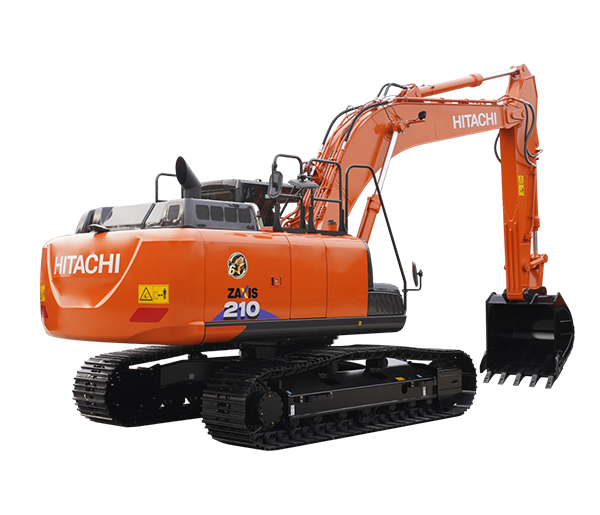
When I evaluate a medium-sized Hydraulic Excavator, I do not look at engine power alone. I want to know how the machine behaves when it is digging soil, opening trenches, loading trucks, working beside roads, or running for long hours. The ZX210/220LC-6A Hitachi Construction Machinery Hydraulic Excavator is a useful reference for this equipment class because it brings together a practical operating weight, strong hydraulic performance, crawler stability, useful digging reach, and flexible bucket configurations.
The ZX210/220LC-6A belongs to the roughly 20- to 21-ton crawler excavator class. Hitachi Construction Machinery China's published 6A information gives the machine a total operating weight range of approximately 20,400 to 21,400 kg. The same source lists 128.4 kW (175 PS) gross rated engine power, 122 kW (166 PS) net rated power, and an ISO heaped bucket capacity range of 0.91 to 1.2 m³. These figures cover different working configurations rather than one fixed machine specification.
At HKLOONG Heavy Industry Technology (Hefei) Co., Ltd., I look at Excavators from both the manufacturing and jobsite sides. Our business covers equipment R&D, precision manufacturing, quality testing, customized modification, and global distribution. Under our HKLOONG brand, we work with crawler Excavators, Wheel loaders, Backhoe loaders, amphibious Wetland excavators, and other heavy equipment solutions.
That background has taught me a simple lesson: a useful excavator is not just an engine sitting on tracks. The engine, hydraulic system, boom, arm, bucket, swing system, undercarriage, operator controls, and maintenance design all have to work together. This is especially important when a buyer is looking for a 20 ton hydraulic excavator, 21 ton crawler excavator, or medium excavator for heavy construction.
1. My View of the ZX210/220LC-6A Excavator
The first thing I like about a 20-ton-class crawler excavator is its balance between working ability and site flexibility. It is large enough for serious earthmoving, road construction, trenching, and material handling, but it does not move into the transport and operating requirements of a much larger 30- or 40-ton machine.
That makes this class useful for contractors who want one machine that can handle several types of work. I can use the excavator for general digging in the morning, load trucks in the afternoon, and switch to a breaker or grapple when the project requires a different tool.
The “210” and “220” designations should not be treated as simple horsepower numbers. The actual configuration is more important. The published Hitachi 6A specification covers the ZX210/220LC-6A as a model family with different working configurations. Bucket size, working mass, undercarriage arrangement, arm selection, and application can change the final machine specification.
For me, this is an important point when comparing construction equipment. Two machines may carry similar model names but behave differently because they use different buckets, arms, track widths, counterweights, or regional specifications.
| ZX210/220LC-6A Reference Item | Published Data | Why I Check It |
|---|---|---|
| Gross rated engine power | 128.4 kW / 175 PS | Shows available engine output |
| Net rated engine power | 122 kW / 166 PS | Useful for real working comparison |
| Operating weight | 20,400–21,400 kg | Affects stability and transport planning |
| ISO heaped bucket capacity | 0.91–1.2 m³ | Relates to digging and loading production |
| Machine class | Approx. 20–21 ton | Useful for application and fleet planning |
Source: Hitachi Construction Machinery China, ZAXIS-6A ZX210/220LC-6A published equipment information. These are third-party Hitachi reference figures, not HKLOONG specifications. Actual specifications depend on configuration, market, and delivered machine.
2. How I Understand Its Hydraulic Working Principle
An excavator looks complicated from the outside, but the basic working principle is quite easy to understand. The engine creates power. Hydraulic pumps turn that power into oil flow and pressure. Valves control where the oil goes. Hydraulic cylinders and motors then turn that controlled oil energy into movement.
When I move the joystick forward, hydraulic oil can be directed to the boom cylinder. When I move it in another direction, oil is sent to the arm or bucket circuit. A separate hydraulic motor handles the upper structure's swing movement, while hydraulic travel motors drive the crawler tracks.
This is why hydraulic excavator performance is about more than engine horsepower. The hydraulic system needs to deliver the right combination of flow, pressure, response, and control. If the system is not well matched, the machine may have plenty of engine power but still feel slow or difficult to control.
The operator often uses several functions at once. During a normal digging cycle, I may lower the boom, pull the arm, curl the bucket, swing the upper structure, and then raise the boom to load a truck. These actions need to work together smoothly.
For general construction, I also want predictable control rather than simply fast movement. When digging near a buried utility line, for example, a smooth bucket movement can be more useful than maximum speed. When loading loose soil into trucks, faster cycle movement may matter more.
This is where the size of the machine becomes important. A 20-ton excavator has enough hydraulic and structural capacity for substantial work while remaining practical for many normal construction sites.
I also separate the ZX210/220LC-6A from other ZX210 models when checking specifications. Hitachi sells ZX210-class excavators in different generations and regions. For example, the North American ZX210LC-7H is published at 122 kW net power and 23,100 kg operating weight, while the Latin American ZX210LC-5A is published at 113 kW net power and 20,200–20,600 kg operating weight. Those are different models, so I would never mix their specifications into the 6A model.
3. Main Features I Would Examine Before Buying
Working Weight and Stability
The published 20,400–21,400 kg working weight range puts the ZX210/220LC-6A firmly into the medium excavator category.
For me, operating weight is important because it affects how the machine sits on the ground and how stable it feels when the front attachment is extended. A heavier machine is not automatically better, but the weight needs to be appropriate for the boom, arm, bucket, counterweight, and undercarriage.
I also consider transport. A contractor may need to move the excavator between several jobsites every week. In that case, overall dimensions, machine weight, track configuration, and local transport rules become part of the equipment decision.
Bucket Selection
The published 6A information gives an ISO heaped bucket range of 0.91–1.2 m³. That range is useful because different materials need different bucket choices.
For ordinary soil, a general-purpose bucket may be suitable. For loose material, a larger capacity bucket can improve production. For abrasive ground, I would pay more attention to bucket strength, teeth, cutting edges, and wear protection.
I do not recommend choosing a bucket simply because it has the largest number. If the bucket is too large for the material or working conditions, the excavator may lose digging efficiency and cycle performance.
Digging and Loading
A medium crawler excavator should be able to perform the basic production cycle without unnecessary delay. I look at how quickly the boom, arm, and bucket respond, how smoothly the machine swings, and how well the operator can position the bucket over a truck.
These small details become important after hundreds of working hours. A one-second difference in a cycle may not look important on paper, but repeated throughout a working day, it can affect productivity.
Operator Control
I also care about the operator station. The person in the cab controls the machine for many hours, so visibility, joystick response, seat position, display information, noise, vibration, and control layout all matter.
Hitachi's published 6A material lists features including an all-weather steel cab structure, Bluetooth radio, USB charging, automatic pilot handle locking, monitoring functions, and multiple display and alarm functions. The same document also describes reinforced cab and undercarriage elements.
Undercarriage
Tracks are easy to ignore until they become expensive. I always check the rollers, idlers, sprockets, track chains, shoes, track frames, and tensioning system.
The excavator may spend its entire life on soil, gravel, rock, mud, or mixed ground. Each condition creates different wear. Good daily cleaning and correct track tension can make a real difference to undercarriage life.
4. Technical Comparison with Other ZX210-Class Excavators
When I compare the ZX210/220LC-6A with other excavators, I prefer to compare published data from the same manufacturer and then check the market and model year. This avoids a common problem: comparing an older machine from one market with a newer machine from another market and assuming the model names tell the whole story.
| Model | Net Rated Power | Operating Weight | Max. Digging Depth | Market |
|---|---|---|---|---|
| ZX210/220LC-6A | 122 kW / 166 PS | 20,400–21,400 kg | Configuration dependent | China 6A |
| ZX210LC-5A | 113 kW / 152 HP | 20,200–20,600 kg | 6.67 m | Latin America |
| ZX210LC-7H | 122 kW / 164 HP | 23,100 kg | 6.67 m | North America |
| ZX210LC-7H, LA | 122 kW | 22,400 kg | 6.67 m | Latin America |
Source: Hitachi Construction Machinery China and Hitachi Construction Machinery Americas. This table is an industry reference comparison only and does not represent HKLOONG equipment specifications.
The differences are worth noticing. The Latin American ZX210LC-5A is published at 113 kW net power, 20,200–20,600 kg operating weight, 9.92 m maximum digging reach, and 6.67 m maximum digging depth.
The North American ZX210LC-7H is a later model with 122 kW net rated power and 23,100 kg operating weight. Hitachi publishes a 9.75 m maximum digging reach at ground level and a 6.67 m maximum digging depth for this configuration.
The Latin American ZX210LC-7H, LA is listed at 22,400 kg with the same 122 kW net power and 2.91 m arm length.
For me, the lesson is simple: always verify the exact model code and market specification. If someone tells me they are selling a “ZX210,” I would ask for the machine plate, serial information, year, engine data, operating weight, bucket specification, and working configuration before making a technical comparison.
5. Where I Would Use a 20-Ton Hydraulic Excavator
The 20 ton hydraulic excavator class is popular because it can cover many jobs without becoming difficult to transport or operate. I would consider the ZX210/220LC-6A reference class for the following applications.
Road Construction
Road projects require excavation, drainage, slope preparation, shoulder work, and material handling. A crawler excavator can work beside the road while maintaining a stable footprint.
For larger road projects, I may also use it to load trucks with excavated material. The bucket needs to match the material and truck size so that the loading cycle stays efficient.
Utility and Pipeline Construction
Water pipes, drainage lines, sewer systems, and other underground utilities often require controlled trenching. Here I care about digging depth, working radius, bucket control, and visibility.
The operator may need to work close to existing structures or utilities, so smooth hydraulic response can be more useful than maximum speed.
General Earthmoving
Site preparation is one of the most common uses. The excavator can remove soil, shape foundations, dig drainage channels, clear areas, and move material around a construction site.
For contractors handling different projects, this flexibility can be more valuable than owning a machine designed for only one specific task.
Quarry and Aggregate Work
A crawler excavator can work in quarry and aggregate applications when the bucket and wear parts are correctly selected. Abrasive rock can create high wear on teeth, cutting edges, pins, bushings, and undercarriage components.
If I know the machine will work in hard rock for long periods, I would discuss the attachment and wear protection before discussing bucket volume.
Demolition
With a compatible hydraulic breaker, grapple, shear, or other attachment, an excavator can handle demolition and material separation tasks.
However, I always check attachment weight, hydraulic flow, operating pressure, mounting system, and machine stability before fitting a large attachment.
Agricultural and Land Development
Large farms and land-development projects may need excavation for ponds, drainage, irrigation channels, access roads, and foundations. A medium crawler excavator can handle these tasks when site access and ground conditions are suitable.
For very soft wetlands, I would consider an amphibious excavator instead of forcing a conventional crawler machine into conditions for which it was not designed.
| Industry | Typical Work | Key Configuration I Would Check |
|---|---|---|
| Road construction | Drainage, earthmoving, slope work | Bucket size and arm configuration |
| Utilities | Trenching and pipe excavation | Digging depth and control precision |
| Quarrying | Rock excavation and loading | Heavy-duty bucket and wear protection |
| Demolition | Breaking and material handling | Breaker or shear hydraulic requirements |
| Land development | Site preparation and drainage | Production cycle and ground condition |
Source: Application categories reflect common hydraulic excavator use. The configuration guidance is practical equipment-selection guidance and is not a statement of Hitachi or HKLOONG specifications.
6. Manufacturing, Inspection, and Maintenance: What I Look at
When I inspect an excavator, I look beyond the paint. The important areas are often hidden inside the machine or underneath it.
The boom and arm carry repeated loads every working day. I check structural design, welding areas, pin connections, bushings, and cylinder mounting points. These parts must handle both normal digging forces and unexpected shock loads.
The hydraulic system deserves the same attention. Clean hydraulic oil, correct filtration, good hose routing, proper seals, and regular inspection all help protect the pumps and valves.
If hydraulic oil becomes contaminated, small particles can damage precision components inside pumps and valves. That is why filtration and maintenance are not small details. They are basic requirements for hydraulic equipment.
I also inspect the engine cooling system. Excavators often work in dust, mud, high temperatures, or restricted spaces. Radiators, coolers, air filters, and ventilation passages need regular cleaning.
The undercarriage is another major cost area. Track chains, rollers, idlers, sprockets, and shoes wear at different rates depending on the ground. I would rather find excessive wear during an inspection than discover it after the machine starts a new project.
Hitachi's 6A documentation specifically identifies features such as reinforced track chains with sealed pins, reinforced lower flanges, reinforced idler brackets, and a hydraulic grease track-tensioning mechanism.
From my manufacturing perspective, final testing should also cover more than engine starting. I want the hydraulic functions, swing, travel, attachment movement, electrical system, displays, alarms, and safety functions to be checked before the machine enters demanding field work.
At HKLOONG, our work combines equipment R&D, precision manufacturing, quality testing, customized modification, and global distribution. I believe this complete approach is important because a construction machine is only useful when its major systems work together in real conditions.
7. Why I Use HKLOONG as an Independent Equipment Solution
When a customer contacts me about an excavator, I do not begin with a model number. I begin with the job.
If the customer needs a 21 ton crawler excavator for road construction, I want to understand the road conditions, digging depth, material, working hours, transportation requirements, and attachments. If the customer needs an excavator for quarry work, I need to understand the rock and expected wear. If the project involves wetlands, I look at ground bearing pressure and whether an amphibious configuration is more appropriate.
That is where HKLOONG's equipment background becomes useful. HKLOONG Heavy Industry Technology (Hefei) Co., Ltd. is focused on equipment R&D, precision manufacturing, quality testing, customized modification, and global distribution. We operate our proprietary HKLOONG brand with products covering crawler excavators, wheel loaders, backhoe loaders, and amphibious wetland excavators.
I see customization as more than changing a color or adding an attachment. A useful customized machine should start with the operating environment. Working weight, engine output, hydraulic requirements, arm length, bucket size, undercarriage, attachments, transport dimensions, and service requirements all need to be considered together.
For overseas buyers, I also consider shipping and long-term operation. A machine may perform well on a jobsite, but the buyer still needs to think about spare parts, maintenance access, operator training, documentation, transport, and local working conditions.
If a customer uses the ZX210/220LC-6A Hitachi Construction Machinery Hydraulic Excavator as a technical benchmark, I can use its published specifications as a reference for discussing machine size, bucket capacity, operating weight, and application. But I keep the product identity clear: Hitachi is the manufacturer of the ZX210/220LC-6A, while HKLOONG develops and supplies its own independent equipment.
For me, that distinction is important. Technical comparison should help a buyer understand the market, not create confusion about who manufactures a machine.
8. FAQ About ZX210/220LC-6A Hitachi Hydraulic Excavators
What is the operating weight of the ZX210/220LC-6A?
Hitachi Construction Machinery China's published 6A information gives a total working mass range of approximately 20,400–21,400 kg for the ZX210/220LC-6A model family. The exact weight depends on the selected working configuration.
What is the engine power of the ZX210/220LC-6A?
The published 6A specification lists 128.4 kW (175 PS) gross rated power and 122 kW (166 PS) net rated power. I recommend using net power when comparing machines from different manufacturers, but only after confirming that the manufacturers use comparable measurement standards.
What bucket capacity does the ZX210/220LC-6A have?
The published ISO heaped bucket capacity range is 0.91–1.2 m³. Different capacity values correspond to different working configurations and applications.
Is the ZX210/220LC-6A a crawler excavator?
Yes. The machine uses a crawler undercarriage rather than wheels. This design provides a broad ground contact area and is suitable for many construction sites where stable operation on uneven or unprepared ground is required.
What jobs can a 20-ton excavator handle?
I would consider this class for general earthmoving, road construction, utility trenching, drainage, land development, quarry-related work, demolition, and material handling. The correct attachment and configuration should be selected for the specific job.
Can this type of excavator use hydraulic breakers?
Yes, hydraulic excavators can be configured for compatible breakers and other hydraulic attachments. Before installation, I would check attachment weight, hydraulic flow, pressure, mounting dimensions, control requirements, and machine stability.
Is the ZX210/220LC-6A suitable for road construction?
Its operating class and working range make it suitable for many road construction tasks, including earthmoving, drainage, trenching, slope work, and loading. The exact application should still be checked against the machine's delivered configuration.
What should I inspect when buying a used ZX210/220LC-6A?
I would inspect the engine, hydraulic pumps, hydraulic cylinders, boom, arm, pins, bushings, swing system, crawler components, electrical system, cab, and service records. I would also run the machine through several work functions rather than relying only on a visual inspection.
For the undercarriage, I would check track shoe condition, chain wear, roller condition, idlers, sprockets, and track tension. For the hydraulic system, I would look for leaks, unusual noise, slow movements, overheating, and inconsistent pressure.
Does HKLOONG manufacture the ZX210/220LC-6A?
No. The ZX210/220LC-6A is a Hitachi Construction Machinery model. I use it on this page as a third-party technical reference. HKLOONG is an independent equipment manufacturer and supplier operating under the HKLOONG brand.
Final Thoughts
When I look at the ZX210/220LC-6A Hitachi Construction Machinery Hydraulic Excavator, I see a practical reference for the 20- to 21-ton crawler excavator market. The published 6A information lists 128.4 kW gross engine power, 122 kW net power, approximately 20,400–21,400 kg working mass, and 0.91–1.2 m³ ISO heaped bucket capacity.
But numbers are only useful when I connect them with the job. Bucket capacity affects the production cycle. Hydraulic performance affects attachment and digging behavior. Operating weight affects stability and transportation. Track design affects how the machine handles the ground. Maintenance access affects how easily the machine can be kept in working condition.
That is the approach I use at HKLOONG. I start with the application and then work toward the machine configuration. Whether the customer needs a medium hydraulic excavator for construction, a 20 ton crawler excavator for road building, an excavator for quarry work, or a customized machine for difficult ground, I want the equipment choice to be based on real working conditions.



 WhatsApp
 Phone
Phone E-mail
 Message