
 Español
 Pусский
 Français
 العربية


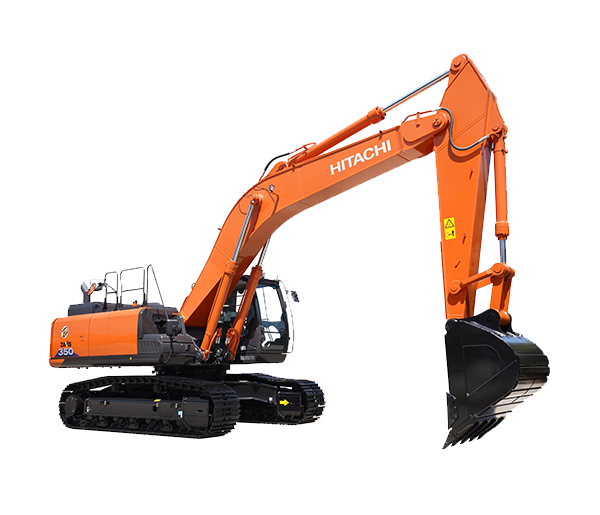
When I look at a 33- to 34-ton class Excavator, I do not judge it by engine power alone. I want to know how the machine behaves when digging hard soil, loading trucks, working on uneven ground, or running for long hours. The ZX350/350(Pro)-6A Hitachi Construction Machinery Hydraulic Excavator is a useful reference in this class because it combines a strong hydraulic system, a heavy crawler undercarriage, flexible front-end configurations, and a work design intended for demanding construction conditions.
For contractors, equipment buyers, and fleet managers, a machine in this size range has to do more than dig. It needs enough bucket capacity for production work, enough stability for heavy loading, and enough control precision for trenching and finishing. It also needs practical maintenance access because a Large Excavator can spend a lot of time on site.
At HKLOONG Heavy Industry Technology (Hefei) Co., Ltd., I approach this type of equipment from a practical manufacturing and application perspective. We work across equipment R&D, precision manufacturing, quality testing, customized modification, and global distribution. Our product range includes crawler excavators, Wheel loaders, Backhoe loaders, and amphibious wetland Excavators. That gives me a useful view of how excavator size, hydraulic power, attachments, undercarriage design, and jobsite conditions need to work together.
The information below uses the ZX350/350(Pro)-6A as the named equipment reference. Published Hitachi China material lists a gross rated engine power of 210 kW (286 PS), an operating weight of about 33,700–34,000 kg, and an ISO heaped bucket capacity range of 1.62–2.0 m³. The exact configuration can change according to arm, bucket, undercarriage, and regional specification.
1. Understanding the ZX350/350(Pro)-6A Excavator
The first thing I notice about the ZX350/350(Pro)-6A is its position in the medium-to-large hydraulic excavator market. This is not a compact machine designed mainly for landscaping or small utility work. It is built around a much heavier working platform and is intended for applications where digging force, lifting stability, reach, and daily production matter.
The machine uses the basic excavator working principle that most operators know well. The engine provides mechanical energy, the hydraulic system converts that energy into controlled hydraulic flow, and hydraulic cylinders move the boom, arm, and bucket. A separate swing system rotates the upper structure, while the travel system moves the crawler undercarriage.
That sounds simple, but the quality of the complete system matters. If hydraulic flow is not matched correctly with the engine and control valves, the operator can feel delays when several functions are used together. If the undercarriage is too light for the working weight, stability and durability can become concerns. If the front attachment is poorly matched with the bucket, the machine may waste fuel and time.
For this reason, I see the ZX350/350(Pro)-6A less as a single component and more as a complete working system. The engine, pumps, valves, cylinders, swing mechanism, tracks, boom, arm, bucket, and operator controls all have to cooperate.
| Published Reference Item | ZX350/350(Pro)-6A Reference Data |
|---|---|
| Engine gross rated power | 210 kW / 286 PS |
| Operating weight | Approximately 33,700–34,000 kg |
| ISO heaped bucket capacity | Approximately 1.62–2.0 m³ |
| H-type arm range shown in brochure | Approximately 2.67–3.20 m |
| H-type boom shown in brochure | Approximately 6.4 m |
Source: Hitachi Construction Machinery Sales (China), ZX350/350(Pro)-6A ZAXIS-6A series brochure. These are third-party Hitachi reference specifications and should not be interpreted as HKLOONG specifications. Actual configuration may vary by market and machine setup.
2. How the Hydraulic Excavator Works
I normally explain hydraulic excavator operation in four simple steps: power generation, hydraulic pressure, mechanical movement, and ground contact.
First, the diesel engine supplies power. That power drives hydraulic pumps. The pumps then send hydraulic oil through a network of valves and lines. When the operator moves a control lever, the control system directs hydraulic oil to the correct actuator.
For digging, oil is sent to the boom and arm cylinders. These cylinders push or pull the steel members of the front attachment. The bucket cylinder then controls the bucket itself. During a normal digging cycle, the operator lowers the boom, pulls the arm toward the machine, curls the bucket, swings the upper structure, and then opens the bucket over a truck or stockpile.
The important point is that these movements often happen at the same time. A good hydraulic excavator therefore needs smooth flow control, enough hydraulic capacity, and sensible valve coordination. The operator should be able to combine boom, arm, bucket, swing, and travel movements without fighting the controls.
Hitachi's published information for its larger ZAXIS excavator family also describes the use of electronically controlled hydraulic functions, pressure sensing, and hydraulic system tuning to balance responsiveness and efficiency. On the ZX350LC-6 HP, for example, Hitachi describes a three-pump TRIAS II hydraulic system and computer-controlled solenoid valves. That model is not the same machine as the ZX350/350(Pro)-6A, so I use this information only to explain the engineering approach used in the broader ZX350 family.
For me, the real value of a hydraulic excavator is not simply having high pressure. It is having useful hydraulic power that the operator can control. Too much uncontrolled flow can increase heat and fuel use. Too little flow can make the machine feel slow. The best setup is the one that matches the job.
3. Main Features I Would Examine Before Buying
Heavy Working Platform
With a published operating weight of roughly 33.7 to 34.0 tonnes, the ZX350/350(Pro)-6A belongs to a serious production class. A heavy operating platform gives the excavator a solid base for digging and lifting. It also helps the machine remain stable when the front attachment is extended.
However, weight by itself does not guarantee performance. I would always check the complete configuration, including counterweight, track shoe width, arm length, bucket type, and optional equipment. These factors change how the machine behaves in real work.
Flexible Front Attachment
The published 6A brochure shows H-type boom and arm combinations, with an H-type arm range of about 2.67 to 3.20 metres and bucket capacities from about 1.62 to 2.0 m³.
This flexibility matters because excavation work is not always the same. A shorter arm and suitable digging bucket can be useful when the priority is digging force and truck loading. A longer arm can be useful when the operator needs additional reach or digging depth.
Bucket Matching
I pay close attention to bucket matching because the bucket is the part that actually contacts the material. A general-purpose bucket can be suitable for common soil and earthmoving. A heavier bucket may be more suitable for tougher material, while a larger-volume bucket can help when moving loose material.
The correct bucket should be selected according to material density, digging conditions, hydraulic capacity, lifting needs, and transport requirements. Bigger is not automatically better.
Operator Control
A 30-ton-class excavator can move a large amount of material, but the operator still needs fine control. Trenching around utilities, grading a slope, placing material beside a foundation, or loading trucks all require different control behavior.
That is why I consider joystick feel, hydraulic response, visibility, seat position, display information, and attachment control just as important as raw engine output.
4. Technical Comparison: Where This Size Class Fits
When buyers compare a hydraulic excavator, I recommend comparing machines by working class instead of looking only at the model number. Published specifications from different regions can use different emissions standards, buckets, arms, counterweights, and measurement methods.
The following table provides a simple industry reference comparison. It is not a ranking, and it does not represent HKLOONG specifications.
| Excavator Reference | Net/Gross Power Reference | Operating Weight | Digging Depth | Source |
|---|---|---|---|---|
| ZX350/350(Pro)-6A | 210 kW gross | 33,700–34,000 kg | Configuration dependent | Hitachi China 6A brochure |
| ZX350LC-5B | 202 kW net | 32,600–34,500 kg | 6.84 m | Hitachi Construction Machinery Americas |
| ZX350LC-7H | 202 kW net | 36,400 kg | 8.18 m | Hitachi Construction Machinery Americas |
The published ZX350LC-5B data lists 202 kW net power, 32,600–34,500 kg operating weight, a 2.67 m arm in the referenced configuration, and 6.84 m maximum digging depth. The newer North American ZX350LC-7H is published at 202 kW net power, 36,400 kg operating weight, 11.67 m maximum digging reach at ground level, and 8.18 m maximum digging depth.
I would not use these numbers to say that one model is automatically better than another. Instead, I use them to understand how specifications change between generations, regions, and configurations. This is especially important when sourcing used construction machinery or comparing imported excavators.
5. Applications and Industries
The ZX350/350(Pro)-6A size class is suitable for a wide range of heavy construction tasks. In my experience, the most important question is not simply “What can this excavator do?” but “What will it do for most of its working life?”
Earthmoving and Site Preparation
Large construction sites often need continuous excavation, soil removal, trench preparation, and loading. A 30-ton-class crawler excavator provides the reach and bucket capacity needed for these production jobs while remaining more flexible than much larger mining equipment.
Road and Infrastructure Construction
Road projects involve drainage channels, foundations, embankments, utility trenches, slope work, and material loading. A crawler excavator can move between different work areas without depending on road wheels for ground contact.
Quarry and Aggregate Work
In quarry-related applications, the machine may be paired with heavy-duty buckets, Hydraulic Breakers, or other attachments. The exact configuration needs to match the material. Abrasive rock, for example, creates very different wear conditions from ordinary soil.
Demolition
For demolition, attachment selection becomes even more important. Hydraulic breakers, shears, grapples, and crushers can turn one excavator into a multi-purpose work platform. However, the attachment weight and hydraulic requirements must be checked before use.
Municipal and Utility Work
Large utility projects may involve deep trenches, drainage construction, sewer work, and large pipe installation. A machine in this class can provide the reach needed for deep excavation while still allowing controlled movements around the work area.
Agricultural and Land Development
For large agricultural projects, an excavator can help with pond construction, drainage, land preparation, canal maintenance, and material handling. For smaller farms, however, I would first compare the machine size with access conditions and transport costs.
6. Manufacturing, Inspection, and Configuration
When I look at an excavator from a manufacturing perspective, I start with the frame and structural parts. The upper frame, lower frame, boom, and arm carry large loads repeatedly. Welding quality, material selection, joint design, machining accuracy, and inspection therefore have a direct effect on long-term use.
The boom and arm are not just large pieces of steel. Their shape has to distribute working loads through the structure. Pin joints need proper machining and lubrication. Bushings and pins need to maintain alignment. If these areas are ignored, even a powerful hydraulic system cannot deliver good long-term performance.
The hydraulic system also deserves careful inspection. Hydraulic hoses should be routed away from unnecessary impact and rubbing. Hydraulic cylinders need good sealing. Valves and pumps need clean oil. Filters must be changed at the correct intervals. Contaminated hydraulic oil can create problems that are expensive to diagnose later.
The undercarriage is another area I would never overlook. Tracks, rollers, idlers, sprockets, track frames, and tensioning components absorb constant shock from uneven ground. Track tension that is too loose or too tight can increase wear.
Published Hitachi information on its ZAXIS excavators also highlights maintenance access and undercarriage durability as practical design considerations. For example, Hitachi has described wide-opening engine covers, accessible filters, reinforced undercarriage components, and improved roller and idler designs on its ZAXIS machines.
At HKLOONG, my manufacturing approach is based on the same basic principle: every major component needs to be considered as part of the complete machine. Precision manufacturing, quality inspection, hydraulic testing, structural checks, and functional testing all have a role before equipment is sent to a customer.
7. Why I Work with HKLOONG for Heavy Equipment Solutions
When a customer comes to me looking for a heavy hydraulic excavator, I do not assume that one configuration will fit every project. A machine working on a road project in dry soil has different requirements from an excavator working in wetlands, a quarry, a demolition site, or a large agricultural development.
HKLOONG Heavy Industry Technology (Hefei) Co., Ltd. is focused on equipment R&D, precision manufacturing, quality testing, customized modification, and global distribution. Our proprietary HKLOONG brand covers crawler excavators, wheel loaders, backhoe loaders, and amphibious Wetland excavators.
For me, customization starts with the application. I first consider working weight, digging depth, required reach, material type, attachment requirements, transport limits, ground conditions, and expected daily operating hours. From there, the equipment configuration can be discussed in a more useful way.
This approach is particularly important for buyers searching for a 33 ton excavator, 34 ton hydraulic excavator, crawler excavator for heavy construction, or excavator for quarry and road construction. The correct machine is not determined by a keyword or model number. It is determined by how the machine will actually be used.
I also understand that international buyers need clear communication. Product configuration, shipping dimensions, attachments, spare parts, operating environment, service requirements, and documentation should be discussed before an order is finalized. For used equipment, I would additionally check working hours, maintenance history, hydraulic condition, undercarriage wear, structural repairs, and engine condition.
Our global distribution focus means I can also look at the machine from the export side. A machine that performs well but is difficult to transport or support may not be the right solution for an overseas project. Practical details matter.
8. FAQ About ZX350/350(Pro)-6A Hitachi Hydraulic Excavators
What class of excavator is the ZX350/350(Pro)-6A?
The ZX350/350(Pro)-6A is a medium-to-large crawler hydraulic excavator in roughly the 34-ton operating class. Hitachi China's published brochure lists an operating weight of approximately 33,700–34,000 kg and a gross rated engine power of 210 kW.
What is the bucket capacity of the ZX350/350(Pro)-6A?
The published Hitachi China reference shows an ISO heaped bucket capacity range of approximately 1.62–2.0 m³. The actual bucket should be matched to the selected arm, material, density, and application.
What can a 34-ton excavator be used for?
A machine in this class can be used for large-scale earthmoving, road construction, utility excavation, quarry work, demolition, land development, drainage, and material handling. Attachment selection can expand its working range.
Is a ZX350-class excavator suitable for quarry work?
It can be suitable for quarry-related excavation and material handling when the machine configuration and attachment are matched to the rock and working conditions. For highly abrasive or very hard material, I would pay particular attention to bucket construction, teeth, hydraulic breaker requirements, undercarriage wear, and service planning.
Can I use different attachments on a hydraulic excavator?
Yes. Common Excavator Attachments include buckets, hydraulic breakers, grapples, shears, augers, and other specialized tools. Before installing an attachment, I would check its weight, hydraulic flow and pressure requirements, mounting method, and the excavator's approved operating range.
What should I check before buying a used ZX350 excavator?
I would inspect the engine, hydraulic pumps, control valves, cylinders, swing system, boom and arm, pins and bushings, crawler shoes, rollers, idlers, sprockets, track frames, electrical system, cab, and maintenance records. A hydraulic pressure test and working inspection are also useful.
Does HKLOONG manufacture the Hitachi ZX350/350(Pro)-6A?
No. The ZX350/350(Pro)-6A is a Hitachi Construction Machinery model. In this product page, I use the machine as a third-party equipment reference for technical discussion and market comparison. HKLOONG is an independent heavy equipment manufacturer and supplier with its own HKLOONG-branded machinery.
How do I choose the right excavator for my project?
I normally start with the required digging depth, working radius, material type, daily production target, attachment needs, transport limits, ground conditions, and available service support. Once those factors are clear, excavator operating weight and hydraulic capacity become much easier to select.
Final Thoughts
When I evaluate the ZX350/350(Pro)-6A Hitachi Construction Machinery Hydraulic Excavator, I see it as a useful example of what buyers should look for in a heavy crawler excavator: balanced hydraulic performance, a strong working structure, suitable bucket capacity, a stable undercarriage, practical attachment options, and maintenance access that supports long working days.
The published 6A data places the machine around 33.7–34.0 tonnes, with 210 kW gross rated engine power and a 1.62–2.0 m³ reference bucket range. These figures provide a useful starting point, but they are only part of the buying decision.
For me, the better way to select a large crawler excavator is to connect every specification with the actual job. Digging depth tells me about reach requirements. Bucket size tells me about production. Operating weight tells me about stability and transport. Hydraulic capacity tells me about attachment and multi-function performance. Undercarriage design tells me how the machine may behave on difficult ground.



 WhatsApp
 Phone
Phone E-mail
 Message