
 Español
 Pусский
 Français
 العربية


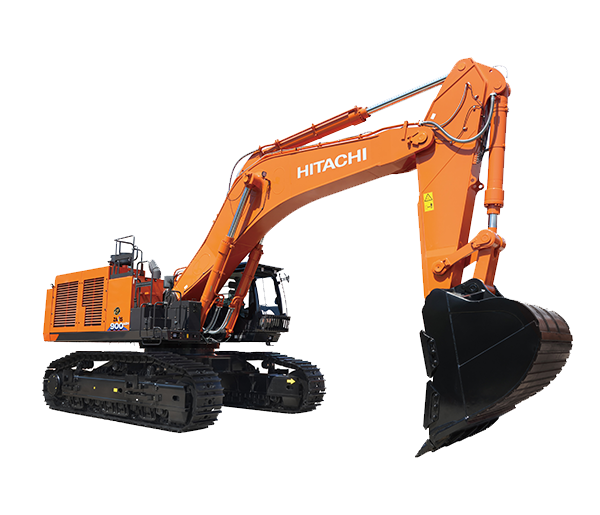
When I look at a large hydraulic excavator for mining, quarrying, heavy earthmoving, or large infrastructure work, I do not judge it by engine power alone. I look at the complete working system: machine weight, hydraulic response, bucket size, digging range, undercarriage strength, operator control, and how well the Excavator can keep working under demanding conditions. The ZX900LCH-6A Hitachi Construction Machinery Hydraulic Excavator is a good example of this approach.
The ZX900LCH-6A belongs to the large crawler excavator class and is designed for heavy-duty excavation and loading work. Publicly available Hitachi documentation lists a rated engine power of 382 kW, an operating weight of about 85,400 kg, and bucket capacities in the 5.0 to 6.0 m³ range for the standard configurations discussed here. Hitachi's published material also shows working equipment based on a 7.10 m boom and 2.95 m arm in the referenced configuration. These figures place the machine firmly in the large mining and quarry excavation category rather than ordinary construction equipment.
In this page, I will look at the ZX900LCH-6A from a practical engineering point of view. I will explain how its engine and hydraulic system work together, what the large undercarriage means in real jobs, where this type of excavator makes sense, and what I would check before purchasing or deploying one. The technical figures used for the Hitachi model are reference data from published manufacturer and industry sources, not specifications for a separate HKLOONG-branded excavator.
1. What Makes the ZX900LCH-6A a Large Mining Excavator?
The first thing I notice about the ZX900LCH-6A is its scale. With an operating weight of approximately 85.4 tonnes, this is not a machine intended for small building sites, narrow urban roads, or light landscaping. It is designed for work where large volumes of material have to be moved repeatedly and where the excavator must maintain stable digging and loading performance.
The published Hitachi configuration uses a 382 kW engine and a crawler undercarriage with 650 mm double-grouser track shoes. Depending on bucket configuration and working condition, the machine can use buckets around 5.0, 6.0, and other published configurations within the ZX900LCH-6A range. The manufacturer's Chinese brochure lists 5.0 m³ and 6.0 m³ configurations for the referenced general and heavy-duty applications.
For me, the important point is not simply the bucket volume. A large bucket only becomes useful when the hydraulic system, boom, arm, swing system, engine output, and undercarriage can support repeated cycles. In a quarry, for example, the excavator may dig blasted material, swing toward a haul truck, unload, return to the face, and repeat the cycle thousands of times. A machine designed for this type of work needs balanced systems rather than one impressive specification.
The ZX900LCH-6A is also a crawler excavator. Tracks distribute machine weight over a large contact area and give the excavator a stable platform when working on rough ground. This matters when the machine is digging at the edge of a quarry bench, loading rock, or working on uneven mining terrain.
Hitachi's published specifications identify the ZX900LCH-6A as a mining-oriented machine, while industry equipment databases also place it in the large crawler excavator category. The published 85.4-ton operating weight and 382 kW engine rating provide a useful baseline when comparing it with other large Excavators.
2. How I Understand the ZX900LCH-6A Hydraulic Working System
A Hydraulic Excavator turns engine power into digging force through several linked systems. I usually explain the process in four simple steps: the engine creates mechanical power, hydraulic pumps convert that power into pressurized oil flow, hydraulic cylinders move the boom and arm, and the bucket uses that movement to break and collect material.
On the ZX900LCH-6A, the engine is the starting point. Hitachi's published 6A information lists a rated power of 382 kW, or about 519 PS. This level of output provides the energy needed to operate a large hydraulic system while also driving the travel and swing functions.
The hydraulic system is just as important as the engine. Public information for the ZX900LCH-6A describes a dual-pump, dual-valve HIOS III B hydraulic arrangement. In simple terms, hydraulic pumps supply oil to the main working circuits, while the control valves manage where that oil goes. When I move the joystick, the control system changes hydraulic flow so the boom, arm, bucket, or swing motor can respond.
This becomes especially important during combined movements. Real excavation is rarely one movement at a time. I may lower the boom, extend the arm, curl the bucket, and swing the upper structure within the same working cycle. A well-matched hydraulic system helps these movements remain smooth instead of making the operator fight against uneven response.
The hydraulic circuit also has to deal with high loads. Digging into compacted soil or blasted rock creates resistance at the bucket teeth. That force travels through the bucket, arm, boom, pins, cylinders, and upper structure. The machine therefore needs both hydraulic pressure and mechanical strength.
For operators, smooth control is more useful than raw power alone. If the machine responds predictably, the operator can position the bucket more accurately, reduce unnecessary movements, and maintain a steady loading cycle. That is one reason I pay close attention to hydraulic control when evaluating a Large Excavator.
3. Main Features I Look For in the ZX900LCH-6A
When I evaluate a ZX900LCH-6A hydraulic excavator, I divide its main features into five areas: power, digging equipment, undercarriage, operator environment, and application flexibility.
High Power for Heavy Material
The published 382 kW rated engine output is appropriate for a machine in this operating-weight class. It gives the excavator enough power to support large hydraulic functions and repeated heavy digging cycles.
Large Bucket Options
Hitachi's published ZX900LCH-6A brochure lists 5.0 m³, 6.0 m³, and a 7.0 m³ configuration in its working-range material, with different bucket and operating conditions. The same document lists bucket masses of approximately 5,030 kg, 5,057 kg, and 5,530 kg for the referenced configurations. This shows why bucket selection cannot be separated from material density and digging conditions.
Heavy Crawler Undercarriage
The referenced configuration uses 650 mm double-grouser track shoes. For a machine weighing more than 85 tonnes, the undercarriage has a very important job. It carries the machine, transfers digging forces into the ground, supports travel, and provides stability while the upper structure swings.
Hitachi's published material also describes rolled track shoes with induction hardening, treated track-link pins, dirt-resistant seals, and hydraulic track tensioning. These details may sound small, but they matter when an excavator spends long periods working on abrasive ground.
Large Working Envelope
With the 5.0 m³ bucket reference configuration, Hitachi lists a maximum digging reach of about 12,350 mm and a maximum digging depth of about 7,140 mm. With the 6.0 m³ bucket configuration, the listed reach is approximately 12,384 mm and digging depth about 7,227 mm. These figures give the operator a substantial working envelope for large excavation and loading tasks.
Operator Protection and Visibility
The published Chinese brochure describes an H/R cab approximately 1,025 mm wide and 1,817 mm high. It also identifies a Level II top guard meeting relevant ISO 10262 requirements. For heavy excavation, operator protection is not something I treat as an optional detail. The machine may work below rock faces, near falling material, or in areas where the cab can be exposed to jobsite hazards.
4. ZX900LCH-6A Technical Reference Comparison
Before choosing a large crawler excavator, I always compare the machine with equipment from the same general class. The following table uses published figures for the ZX900LCH-6A and a later ZX890LCH-7 as an industry reference. The models belong to different generations, so this is a technical reference rather than a claim that one machine replaces another.
| Machine | Rated Power | Operating Weight | Bucket Capacity | Maximum Digging Depth |
|---|---|---|---|---|
| Hitachi ZX900LCH-6A | 382 kW | 85,400 kg | 5.0–6.0 m³ reference | 7,140–7,384 mm depending on bucket setup |
| Hitachi ZX890LCH-7 | 382 kW | 84,600–87,500 kg | 3.5–5.0 m³ | 7,140–8,870 mm |
Sources: Hitachi Construction Machinery published ZX900LCH-6A documentation and Hitachi ZX890LCH-7 product specifications. Figures are manufacturer reference data and are not HKLOONG specifications.
This comparison also teaches me something important: two excavators with similar engine power and operating weight can have very different working ranges and bucket configurations. I would therefore never select a machine only by horsepower. The actual digging depth, reach, bucket size, material density, and loading method all need to match the project.
5. Where I Would Use the ZX900LCH-6A
The ZX900LCH-6A Hitachi Construction Machinery Hydraulic Excavator is most suitable for applications where production volume and material resistance justify a large excavator.
Mining and Quarrying
This is the most obvious application. In open-pit mining and quarry operations, excavators may handle blasted rock, hard soil, overburden, gravel, and other heavy materials. The large bucket and high engine output allow each digging cycle to move a substantial volume of material.
Bucket selection becomes critical here. Hitachi's published working conditions distinguish heavy excavation, general excavation, and loading applications. A Rock Bucket is not the same as a bucket designed mainly for loose material. I would match the bucket to material density and ground conditions before looking at theoretical capacity.
Large Earthmoving Projects
Major earthmoving projects may require large quantities of soil to be removed or relocated. Examples include large industrial sites, dams, major road projects, ports, and other infrastructure work. A large crawler excavator can create a stable digging platform and maintain a consistent cycle when properly matched with haul trucks.
Truck Loading
Large excavators are often used as loading machines. The operator digs material, swings toward a waiting truck, controls the bucket over the body, unloads, and returns to the digging face. The goal is not simply to fill the bucket quickly. I also consider swing angle, truck positioning, material density, and loading height because these factors affect the complete cycle.
Heavy-Duty Material Handling
With the correct attachment and configuration, large crawler excavators can also support specialized material handling tasks. However, I would always confirm the attachment's weight, hydraulic requirements, working radius, and stability before changing from normal excavation work.
Construction and Demolition Preparation
Large infrastructure demolition and site preparation can also require machines in this class. Depending on the attachment and project rules, the excavator may be used for bulk excavation, material handling, or preparation work. Attachment selection should be based on actual hydraulic flow, pressure, machine stability, and manufacturer limits rather than simply attaching the largest available tool.
6. How I Compare the ZX900LCH-6A With Other Large Excavator Classes
When a customer asks me whether a large excavator is suitable, I start with the job rather than the machine name. A useful comparison should include working weight, engine output, bucket range, digging depth, reach, and hydraulic capacity.
| Evaluation Point | Why I Check It | ZX900LCH-6A Reference |
|---|---|---|
| Engine power | Shows available energy for hydraulic and travel functions | 382 kW |
| Operating weight | Indicates machine scale and working stability | Approx. 85,400 kg |
| Bucket capacity | Influences material moved per cycle | 5.0–6.0 m³ reference |
| Maximum digging reach | Helps define excavation and loading position | About 12.35 m with referenced 5.0 m³ setup |
| Maximum digging depth | Important for deep excavation | About 7.14 m with referenced 5.0 m³ setup |
| Track shoe width | Affects ground pressure and stability | 650 mm reference |
| Hydraulic layout | Influences digging response and combined movements | Dual-pump, dual-valve HIOS III B reference |
Source: Hitachi Construction Machinery China ZX900LCH-6A published brochure. Reference figures are for the Hitachi model and are not HKLOONG product specifications.
I also check the working site itself. A 85-tonne excavator needs a suitable transport plan, stable ground, enough turning space, and a properly prepared work platform. It would make little sense to select a machine of this size if the site cannot safely support it.
7. How I Approach Manufacturing, Inspection, and Heavy Equipment Support at HKLOONG
At HKLOONG Heavy Industry Technology (Hefei) Co., Ltd., I look at heavy equipment from the complete machine perspective. Our business focuses on equipment R&D, precision manufacturing, quality testing, customized modification, and global distribution. Our product portfolio includes crawler excavators, Wheel loaders, Backhoe loaders, and amphibious Wetland excavators.
For a large hydraulic excavator solution, I would begin with the application instead of starting with a standard machine configuration. I want to know the material, density, digging depth, loading target, site conditions, working hours, transportation limitations, and attachment requirements.
From there, I can look at the key mechanical systems. The boom and arm need to match the expected load. Pins and bushings need suitable material and surface treatment. The undercarriage must be able to handle continuous travel and digging loads. Hydraulic hoses and fittings need proper routing and protection. The cooling system needs enough capacity for the working environment.
Quality inspection should also be practical. I would check weld quality, hydraulic leakage, cylinder movement, track alignment, control response, engine operation, abnormal vibration, and attachment movement. For machines intended for overseas work, I would also pay attention to transport dimensions, local regulations, documentation, and service requirements.
Customization is another area where I see real value. Mining, quarrying, earthmoving, and wetland projects do not all have the same requirements. Depending on the equipment platform and project, customers may need different attachments, reinforced working equipment, specific track arrangements, or other configuration changes. Any modification should be checked against machine stability, hydraulic capacity, structural load, and safe operating limits.
8. Why I Consider HKLOONG for Heavy Machinery Solutions
When I work with a heavy equipment buyer, I do not think the machine itself is the entire project. A machine has to fit the customer's working method, transportation plan, maintenance capability, and expected service environment.
That is why I focus on practical communication. If a customer is looking at a machine similar to the ZX900LCH-6A, I would first understand the application. Is the excavator for quarry loading? Mining excavation? Large-scale earthmoving? What material will it handle? What is the average truck size? How many operating hours are expected each day?
These questions help avoid a common purchasing mistake: buying a machine based only on its rated horsepower or bucket size.
HKLOONG combines R&D, manufacturing, testing, customization, and global distribution. This allows us to discuss complete heavy machinery requirements rather than treating every project as a simple equipment transaction. Our experience with crawler excavators and other heavy machines also gives us a practical basis for discussing working equipment, undercarriage systems, attachments, and jobsite requirements.
I also understand that overseas customers need clear information. Before equipment is shipped, I would want the buyer to have a clear understanding of machine configuration, dimensions, operating weight, attachment requirements, spare parts, maintenance points, and expected working conditions.
For that reason, I treat the ZX900LCH-6A Hitachi Construction Machinery Hydraulic Excavator as a useful technical reference when discussing the large excavator class, while keeping the distinction clear between Hitachi's published specifications and HKLOONG's own equipment solutions.
Frequently Asked Questions About the ZX900LCH-6A
What is the operating weight of the ZX900LCH-6A?
Hitachi's published Chinese documentation lists an operating weight of approximately 85,400 kg for the referenced ZX900LCH-6A configuration. Some published configurations can vary slightly depending on bucket and working equipment. I would therefore confirm the final machine configuration before transportation planning.
How much engine power does the ZX900LCH-6A have?
The published rated engine power is 382 kW, equivalent to approximately 519 PS. This places the machine in the high-power large crawler excavator class.
What bucket capacity is available?
The published ZX900LCH-6A information lists 5.0 m³, 6.0 m³, and other configuration references. Bucket selection depends on the material and working condition. For rock excavation, bucket structure and tooth strength are especially important. For loose material loading, bucket volume and cycle efficiency become more important.
How deep can the ZX900LCH-6A dig?
With the referenced 5.0 m³ bucket configuration, Hitachi lists a maximum digging depth of approximately 7,140 mm. The 6.0 m³ configuration is listed at approximately 7,227 mm, while the 7.0 m³ reference reaches approximately 7,384 mm. Actual working range depends on boom, arm, bucket, and machine configuration.
What is the maximum digging reach?
Hitachi's published figures list approximately 12,350 mm maximum digging reach for the 5.0 m³ configuration, 12,384 mm for the 6.0 m³ configuration, and 12,541 mm for the 7.0 m³ configuration.
Is the ZX900LCH-6A suitable for mining?
Yes. The model is positioned in the large mining-oriented crawler excavator class, and Hitachi's published working conditions include heavy excavation, rock excavation, and loading applications. However, I would still match the bucket, undercarriage, working equipment, and site conditions to the specific mine.
Is the ZX900LCH-6A suitable for agricultural work?
This machine is not a conventional agricultural tractor or general-purpose farm machine. Its size and configuration are intended for heavy excavation and material handling. Agricultural projects involving major land development, drainage, large earthmoving, or infrastructure may require heavy construction machinery, but the machine should be selected according to the specific work rather than the agricultural label alone.
What should I check before buying a large hydraulic excavator?
I would check the machine's exact configuration, operating weight, engine and hydraulic condition, bucket type, undercarriage wear, boom and arm condition, hydraulic cylinders, pins and bushings, cooling system, electrical system, service history, operating hours, transport dimensions, and available spare parts. For a used machine, inspection is even more important because actual condition can differ greatly between machines of the same model.
Final Thoughts
For me, the ZX900LCH-6A Hitachi Construction Machinery Hydraulic Excavator represents the large crawler excavator concept in a very clear way: high engine output, a large hydraulic system, heavy crawler undercarriage, large bucket options, and a working range designed for serious excavation and loading work.
The published 382 kW engine rating, approximately 85.4-tonne operating weight, and 5.0–6.0 m³ bucket reference make it suitable for applications where material volume and digging resistance are far beyond the requirements of a normal Construction Excavator. At the same time, these same characteristics mean that transportation, site preparation, maintenance, operator training, and attachment selection need careful planning.
When I evaluate a machine in this class, I always return to one question: does the complete equipment configuration match the actual job? Engine power is important, but it is only one part of the answer. Hydraulic response, bucket selection, undercarriage design, working range, material density, operator control, maintenance access, and total operating conditions all affect real productivity.
For customers comparing a large hydraulic excavator, mining excavator, Quarry Excavator, or heavy-duty crawler excavator, the ZX900LCH-6A provides a useful reference point. At HKLOONG, I use the same practical approach when discussing heavy machinery solutions: understand the job first, define the technical requirements, then match the equipment configuration to the working environment.



 WhatsApp
 Phone
Phone E-mail
 Message